PRECISION AND BELIEF: TESTINO ON FAITH, DRESS, AND CONTINUITY


The photograph is taken from behind. One figure stands still, her identity withheld, her presence defined instead by what she wears. A deep pinkish-red bow falls down the back of an ornate headpiece. Lace shoulder pieces sit in precise symmetry. Every element feels deliberate, measured, exact.
She is wearing Festtagstracht, the traditional formal attire of Appenzell Innerrhoden, worn on significant occasions such as religious festivals, weddings, and cultural ceremonies. This image was made during the Corpus Christi celebrations in Switzerland, a moment in the calendar where faith becomes visible through procession, dress, and collective ritual.
This figure is one of many that Mario Testino photographed as part of the series. What fascinated him was not a single garment, but the wider scene surrounding it. Dozens of women and girls preparing together, dressing carefully, helping one another fasten pieces that require time, knowledge, and patience. The act of dressing became communal. A shared responsibility. A quiet form of reverence.
“I was very impressed by the Corpus Christi outfits that they wear in Switzerland,” Testino recalls. “I had never seen such precision, so beautifully made, so perfectly calculated. It surprised me, because I didn’t imagine Switzerland like that.”
Many of the garments are inherited, passed down through generations, maintained rather than replaced. Their survival depends on care, skill, and continuity. What struck Testino most was not the age of the tradition, but its future. The presence of so many young women and girls actively participating, learning the process, carrying it forward. In a world where rituals often fade or fracture, here was something intact, lived, and shared.


Mario Testino Precision | Appenzell Innerrhoden Digitally produced C-type print | 120 x 80 cm 47 1/4 x 31 1/2 in Edition of 3 plus 2 artist's proofs.
The decision to photograph the subject from behind was deliberate. Individual identity gives way to collective identity. The body becomes a vessel for history, belief, and craftsmanship. Faith is not announced, it is enacted.
For Testino, this moment sits naturally within A Beautiful World, his ongoing photographic project documenting living traditions and cultural identity across more than thirty countries. The work is not concerned with preserving customs as static artefacts, but with observing how they continue to function, how they are practiced, and how they shape belonging in the present.
Faith, in this context, is not doctrine. It appears through repetition, restraint, and commitment. Through what people are willing to wear, to learn, and to uphold together.
“Faith, and the desire to connect with something sacred which lies beyond us, are expressed in so many ways,” Testino reflects, “even through dimensions of fear and sacrifice.”
This understanding has quietly informed his work for decades. Long before A Beautiful World, Testino explored religious ritual in Disciples, a deeply personal body of work first shown in London in 2003. Over eight years, he made private visits to churches in Rome, Naples, Seville, and Ayacucho in his native Peru, photographing moments of devotion, pageantry, and silence.
“To me there’s no difference between spiritual and corporal because they’re united,” he said at the time. “Whenever there is body there is mind. We’re indebted to this religious sense of beauty because it’s not just about something that’s pretty or decorative; there’s always a story or a sense of narrative.”
That same sensibility runs through this Swiss image. The photograph does not explain the tradition or name the wearer. It trusts the viewer to recognise that meaning often resides in what is practiced repeatedly, not what is declared loudly.
Across A Beautiful World, Testino has photographed Catholic processions in Spain, Hindu ascetics in India, Sufi dervishes in Iraq, and Orisha devotees in Cuba. The contexts differ, but the impulse remains consistent: a human desire to connect to something larger than oneself, and to locate identity within shared structures of belief, ritual, and dress.

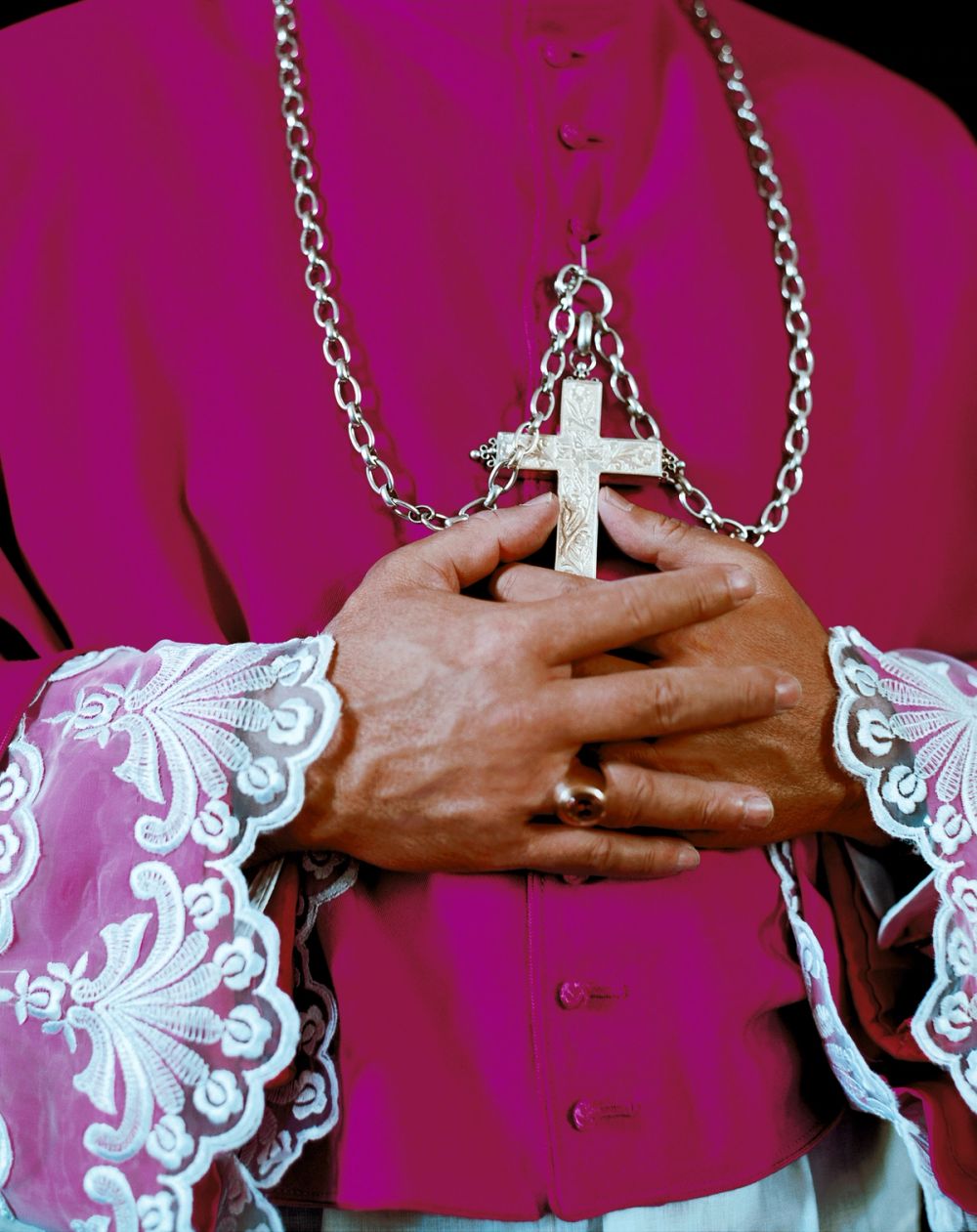
A photograph from Mario Testino’s Disciples series displayed at Timothy Taylor Gallery, London, 2003, exploring faith and devotion.

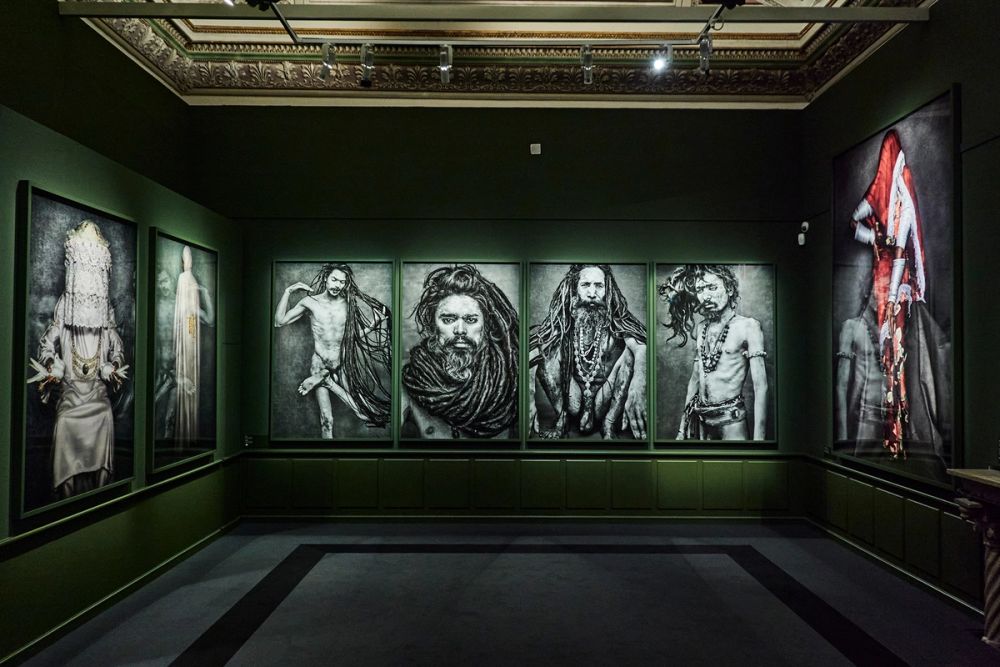
Four framed portraits of Hindu ascetics titled Holy Men by Mario Testino, displayed in A Beautiful World exhibition at Palazzo Bonaparte, Rome, 2024.

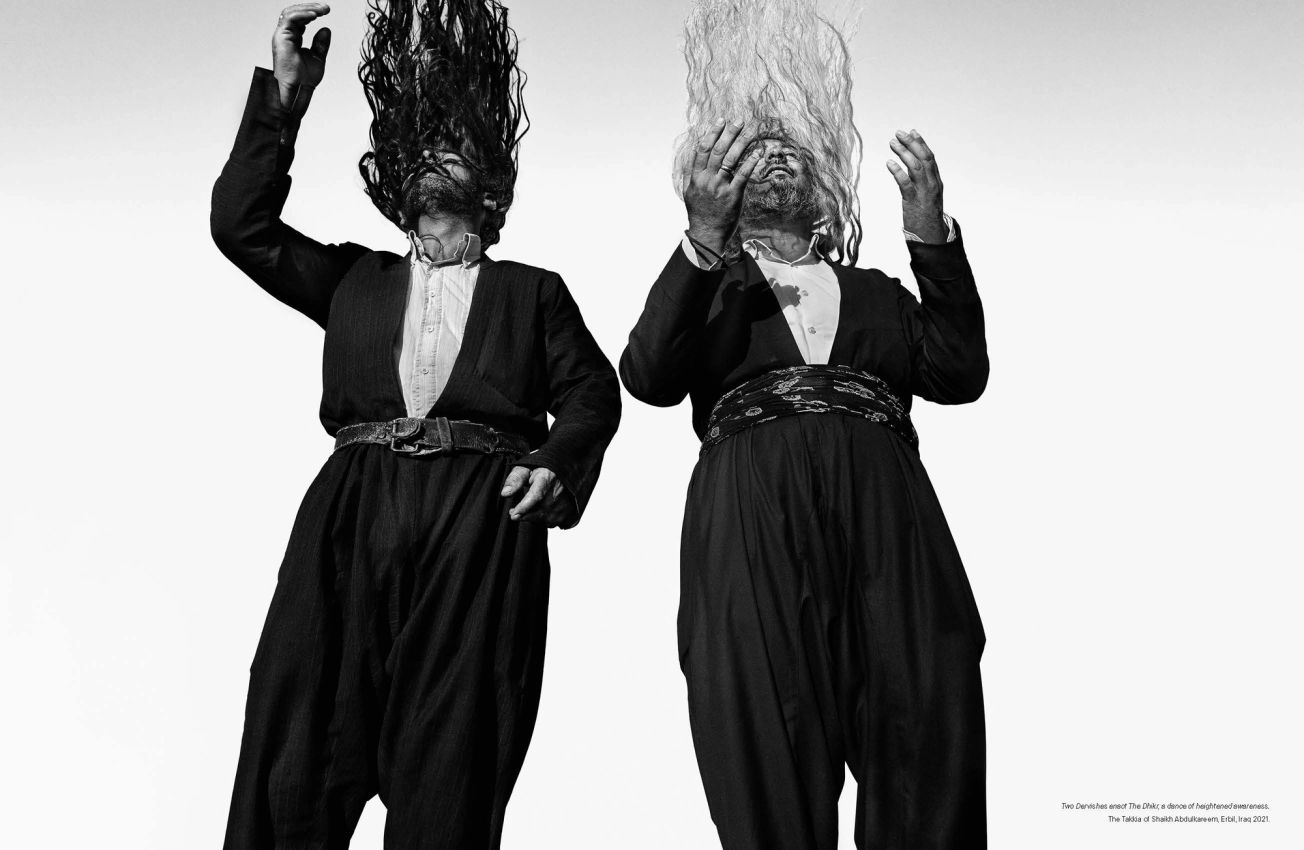
Sufi dervishes performing a devotional ritual in Iraq, photographed by Mario Testino for the A Beautiful World project.

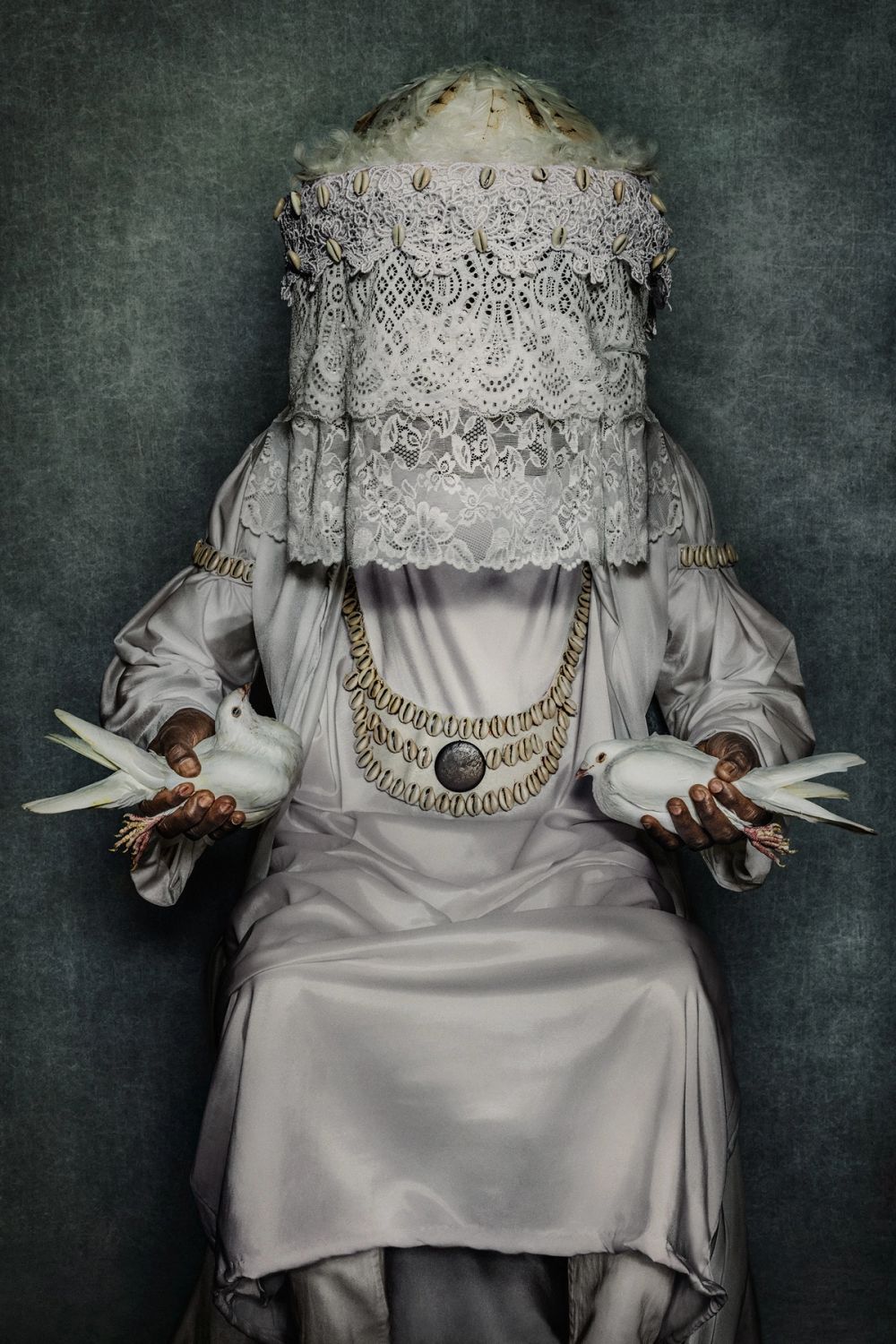
A devotee of the Orisha Obatalá photographed by Mario Testino in Cuba, wearing ceremonial white dress as part of the A Beautiful World series.

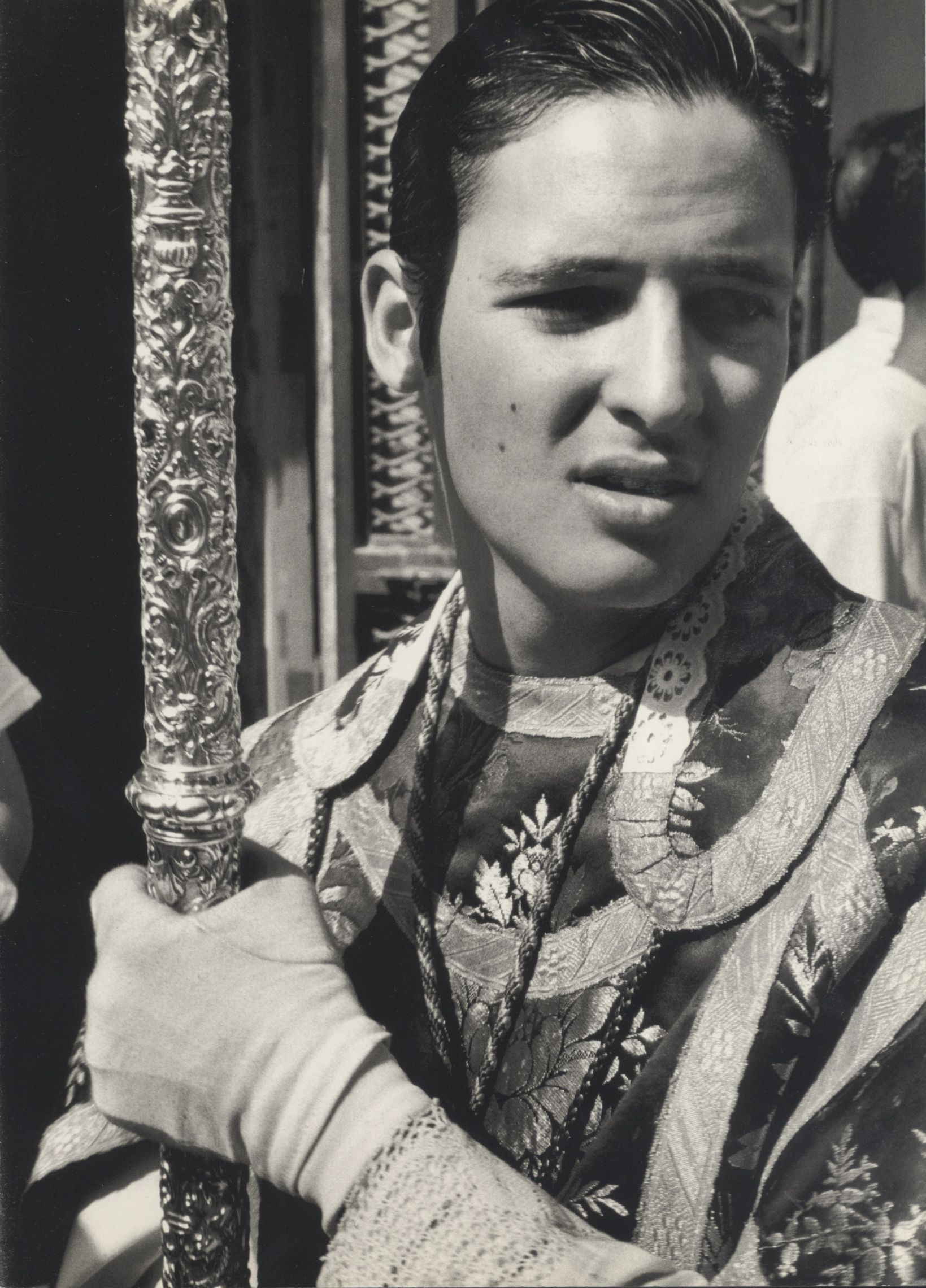
A man in a religious procession in Spain photographed by Mario Testino, showing participants in ceremonial dress during a Catholic ritual.

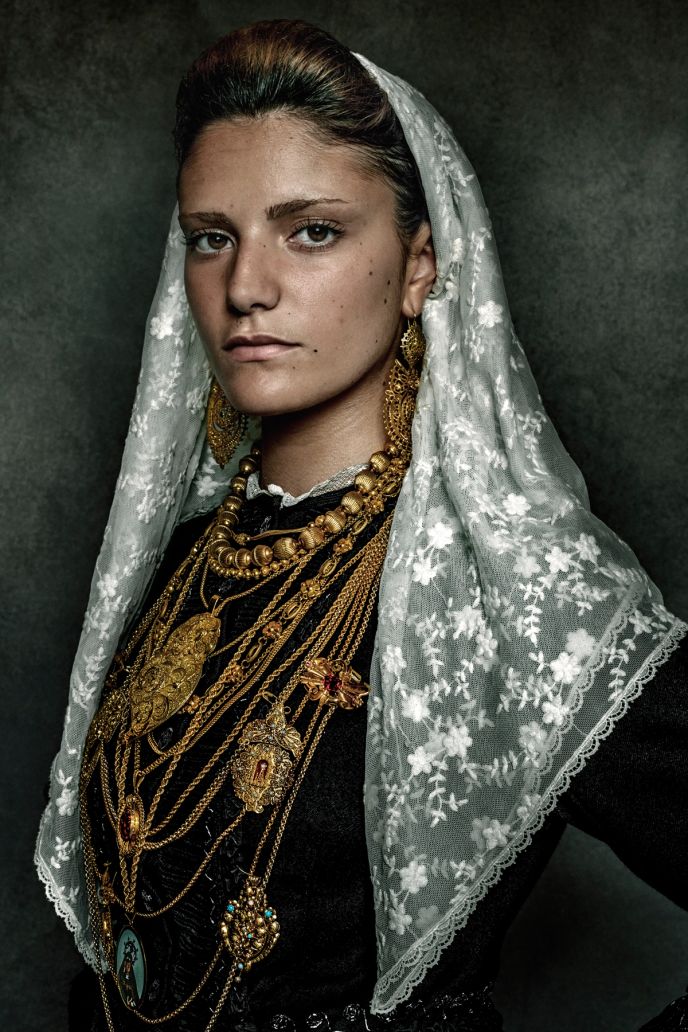
A woman in traditional Viana do Castelo bridal dress in Portugal, photographed by Mario Testino for A Beautiful World.

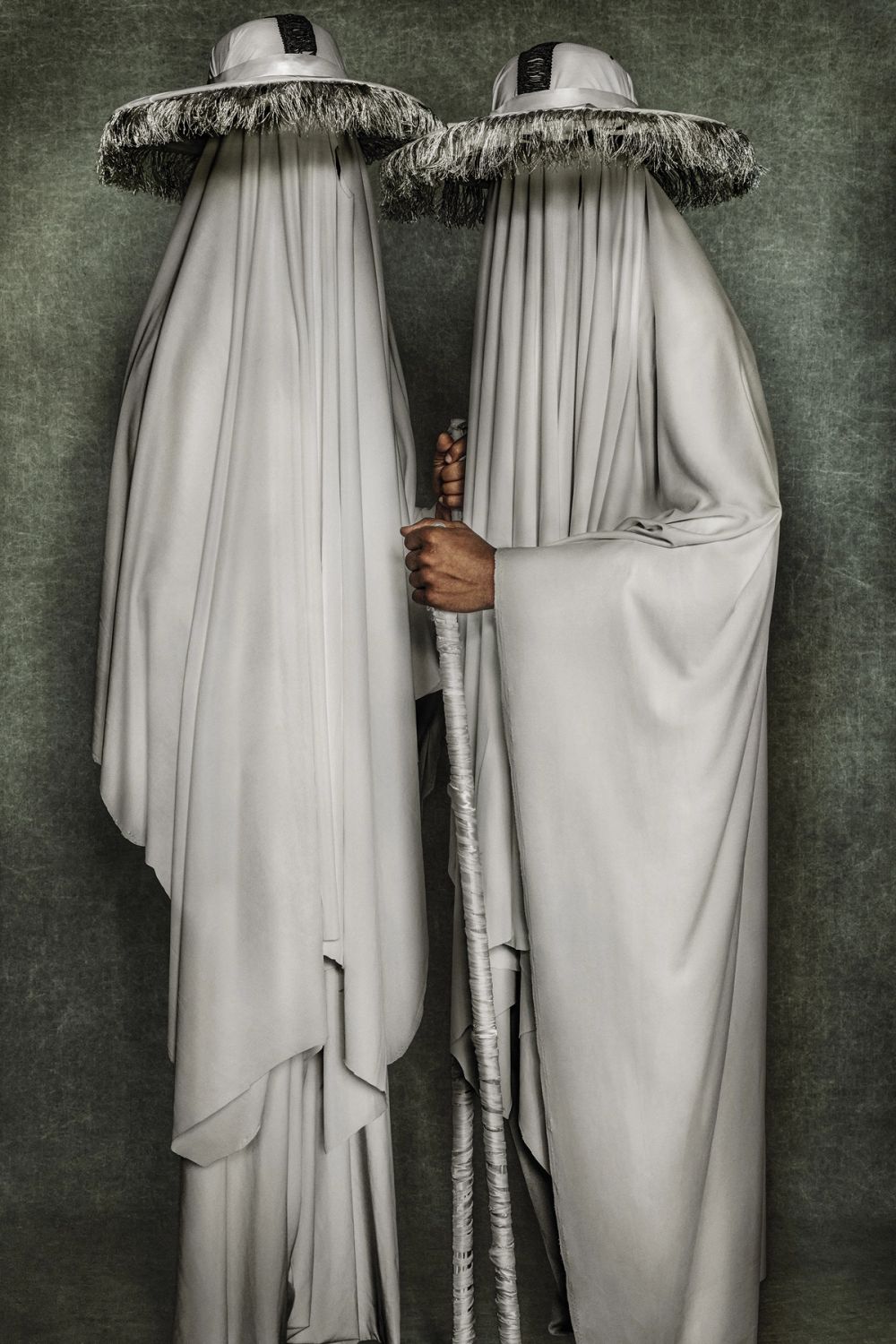
Devotees of the Orisha Obatalá photographed by Mario Testino in Cuba, wearing ceremonial white dress as part of the A Beautiful World series.
In Appenzell Innerrhoden, that impulse takes a particularly refined form. Festtagstracht is not improvised. It is learned, inherited, and carefully maintained. Its precision speaks to a culture where continuity matters, and where identity is constructed patiently, stitch by stitch, generation by generation.
The image does not romanticise faith. It does not dramatise devotion. It observes belief as something lived, worn, and carried forward.
This is where Testino’s work now finds its centre. Not in reinvention, but in attention. Not in performance, but in presence. The photograph stands quietly, confident in the knowledge that some things endure not because they are explained, but because they are practiced.
Sometimes, what stays with us isn’t what we understand most clearly, but what we feel without fully being able to name.