THE CHOREOGRAPHY OF MANY: MARIO TESTINO AND THE POWER OF THE GROUP


Some photographs feel solitary. A single face. A single gesture. A moment suspended between the subject and the camera. Others feel alive with movement. Bodies gather. Eyes meet across the frame. The photograph begins to breathe. The presence of many gives it a higher vibration. Throughout his career, Mario Testino has returned to that second space again and again. The group. And with it, the choreography of many.
It appears across decades of his work. A Paris moment for Gucci in 1995. Casts assembled in London for Burberry at the beginning of the 2000s and again years later. A sunlit cluster in Los Angeles for Gucci in 2004. A gathering of models in Monaco for Dolce & Gabbana in 2008. The exuberance of Rio de Janeiro for Dolce & Gabbana. Versace in New York. Roberto Cavalli in Paris and London.
Each image carries its own atmosphere, but the instinct behind them feels consistent. The group is not simply a practical decision. It is a way of seeing.

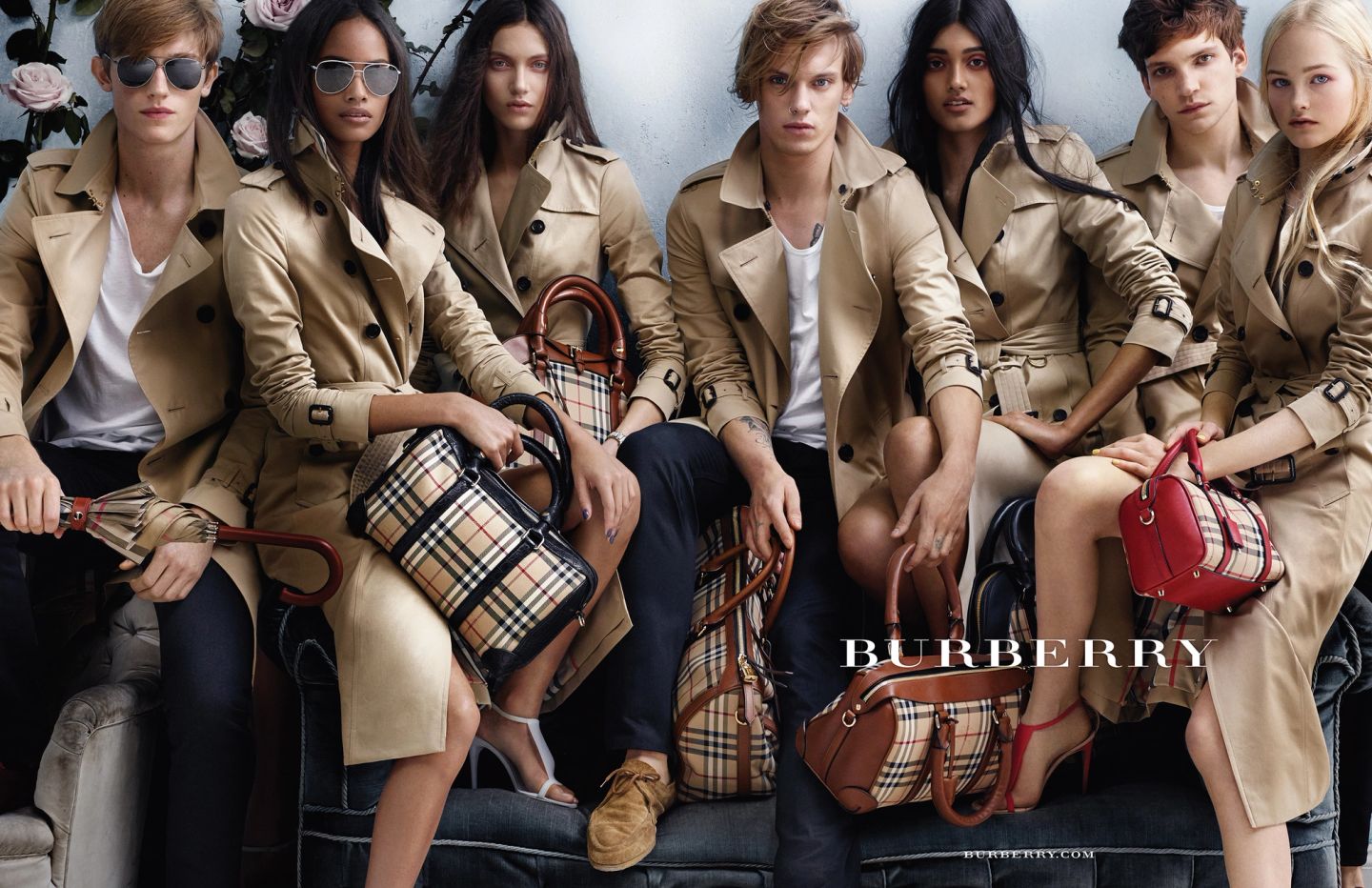
Burberry campaign photographed by Mario Testino in London, 2013.

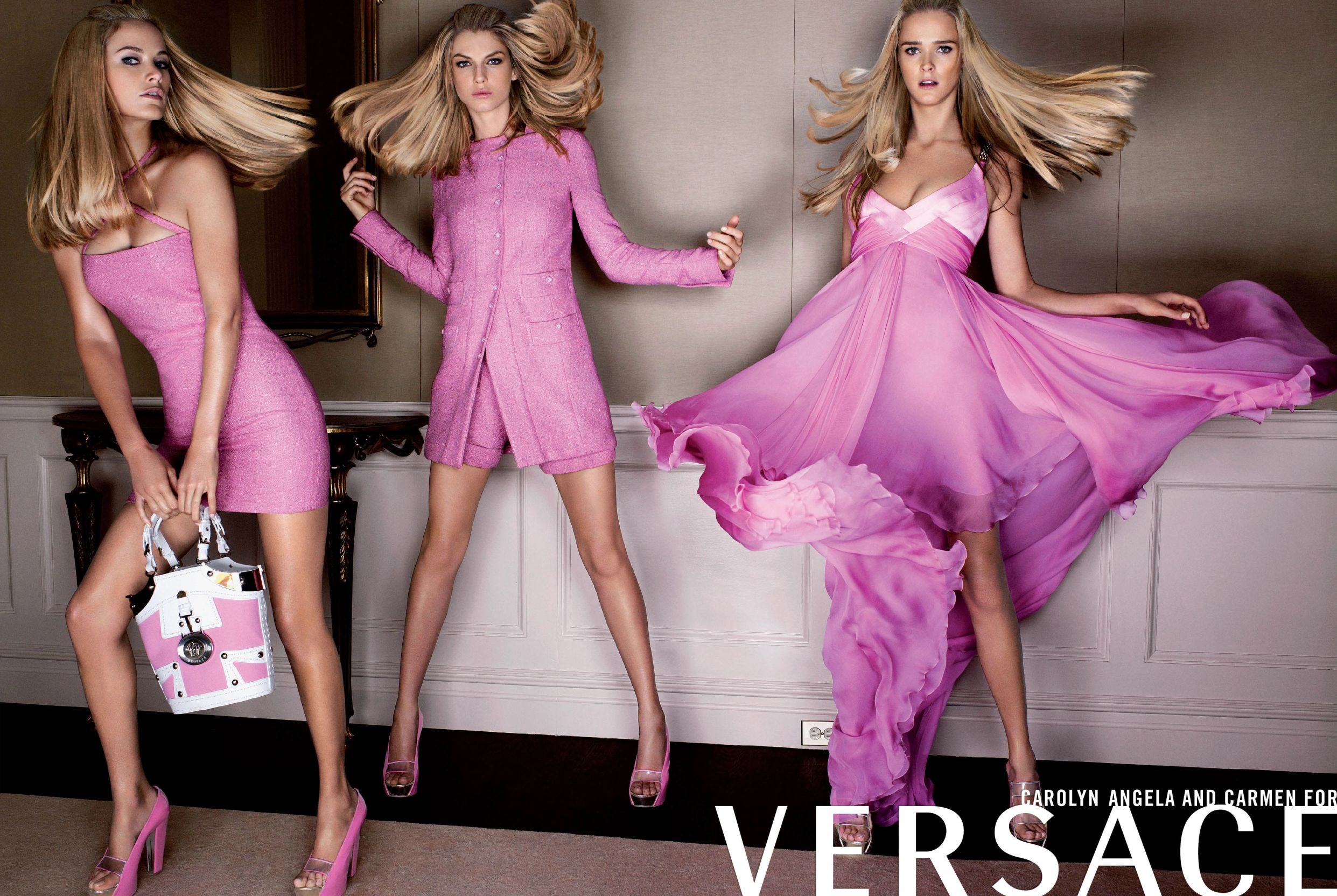
Versace campaign photographed by Mario Testino in New York, 2006.

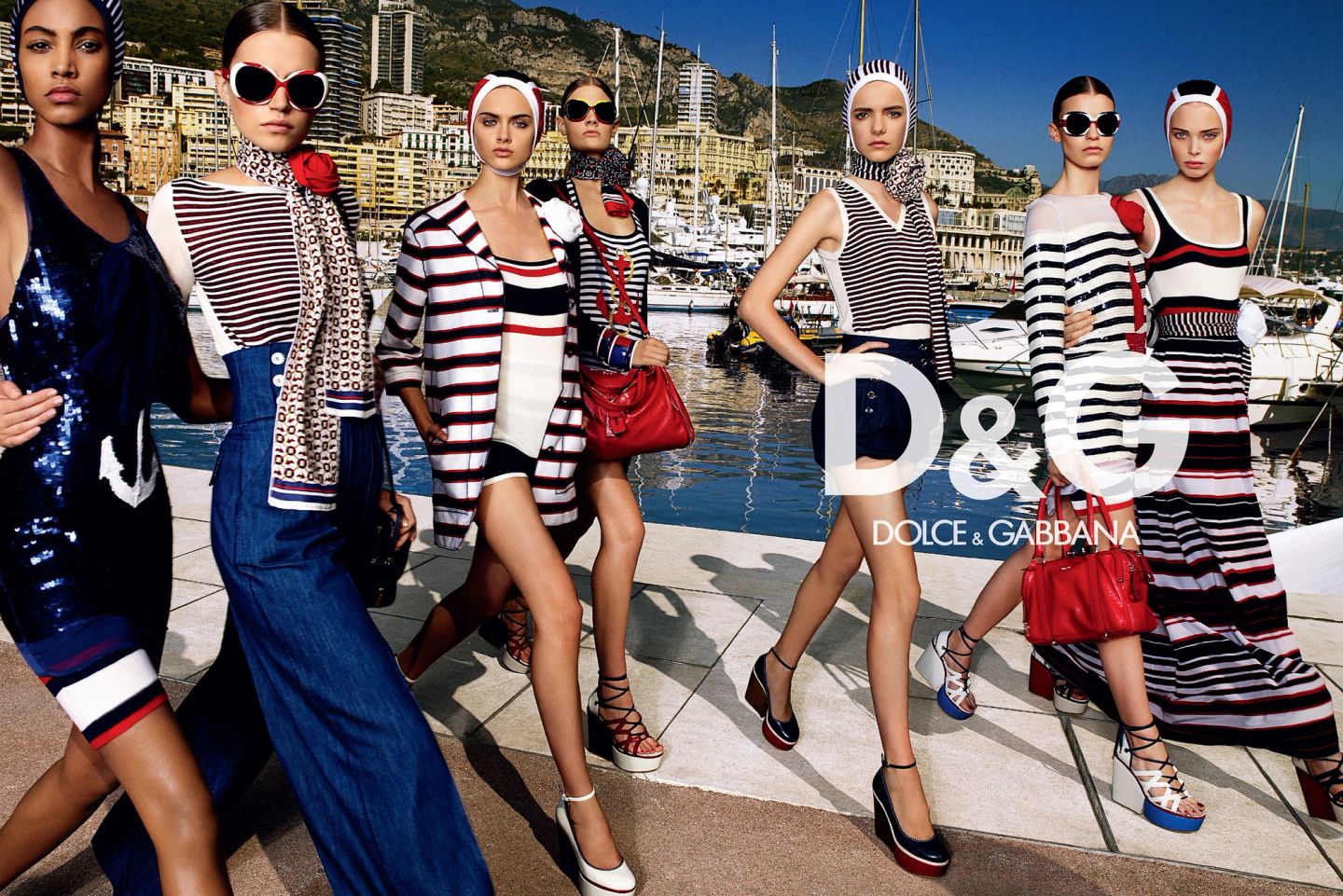
Dolce & Gabbana campaign photographed by Mario Testino in Berlin, 2008.

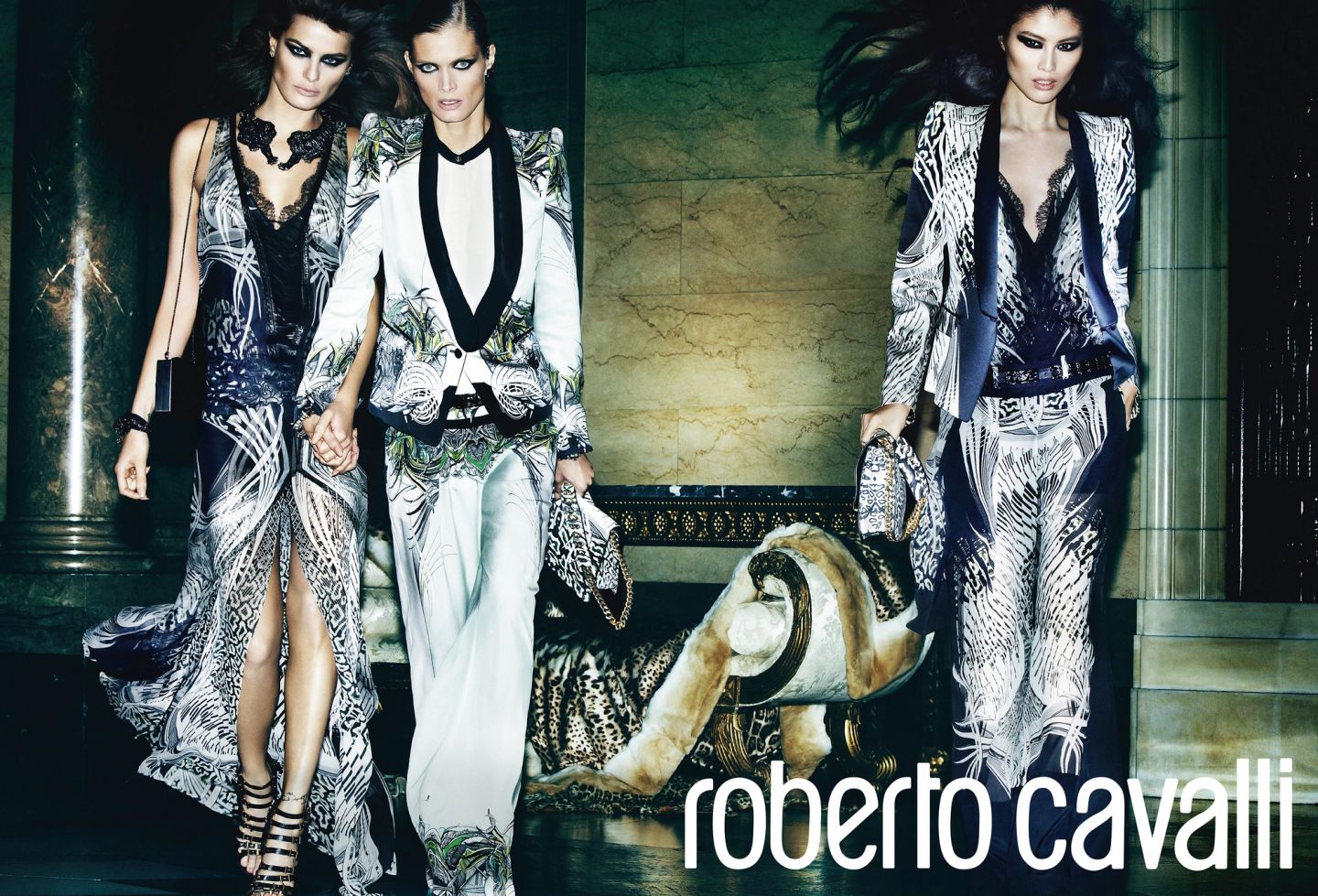
Roberto Cavalli campaign photographed by Mario Testino in London, 2012.


Burberry campaign photographed by Mario Testino in London, 2002.


Gucci campaign photographed by Mario Testino in Los Angeles, 1999.

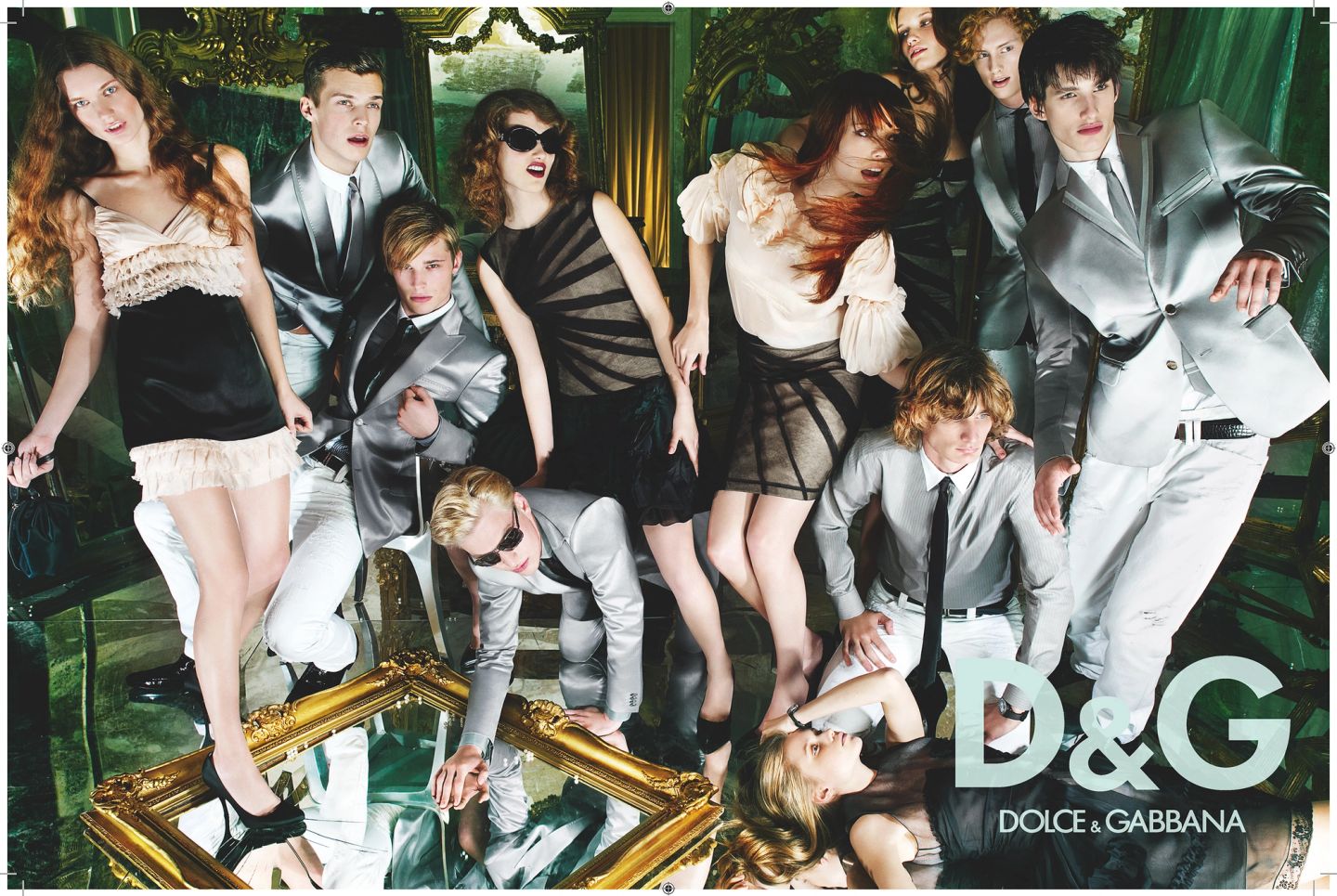
Dolce & Gabbana campaign photographed by Mario Testino in Berlin, 2008.
Testino has often suggested that the roots of this instinct lie long before photography entered his life. Growing up in Peru, family gatherings were rarely small. Cousins, siblings, relatives, voices overlapping in every room. “I don’t know if it was the fact that I was born into a family of six children,” he has reflected. “And on top of that my father’s brothers had six children each. I ended up growing up in between a lot of people.”
Those early experiences linger in the way he approaches an image. Groups carry something emotional as much as visual. “Groups exemplify fun, happiness, security, assurance.” In a photograph, that collective presence changes the atmosphere immediately. The viewer’s eye moves differently. One person draws you in, but ten create a rhythm.“I love the layers that it creates when you have a group,” Testino says.
Those layers are visible throughout the campaigns he has photographed. In Monaco the composition feels almost theatrical, bodies arranged against Mediterranean light. In Los Angeles the mood shifts to relaxed glamour, a group that feels like a moment between friends. In London, Burberry’s casts carry a quiet cohesion that mirrors the city itself.
What links them is not only fashion but the choreography of people sharing a space. Sometimes that choreography begins with repetition. When figures echo each other through clothing, posture or colour, the image develops a visual rhythm. Testino has often used this instinct deliberately. “Repetition is recognition,” he notes.
At other times the choreography allows difference to emerge. A single figure stands slightly apart from the others. The contrast becomes the story.
During a project in Amsterdam for L’Uomo Vogue, Testino remembers trying to photograph a simple romantic scene. A couple kissing. It felt incomplete. Something was missing.Only when he staged ten couples kissing at the same time did the image suddenly work. Scale transformed the emotion.
Groups also introduce unpredictability. One expression shifts. Another movement catches the light. The photograph begins to take on a life of its own. Directing that moment requires a particular kind of attention.“When working with groups you have to scan the picture,” Testino explains. “Because there are so many elements at the same time that have to be right.”Every corner of the frame matters. A photograph with many people contains many stories unfolding simultaneously.
Dolce & Gabbana campaign photographed by Mario Testino in Berlin, 2008.

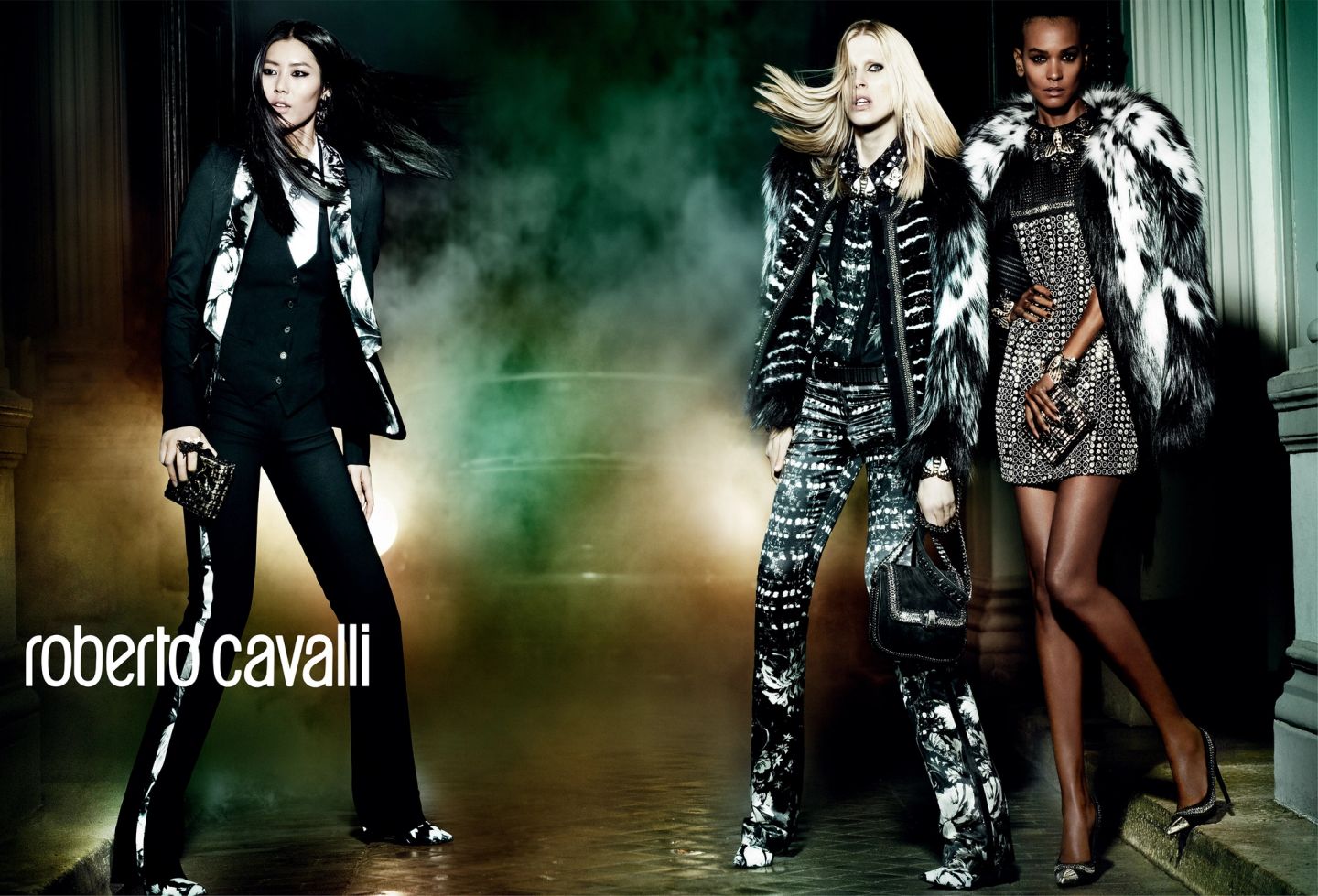
Roberto Cavalli campaign photographed by Mario Testino in Paris, 2013.

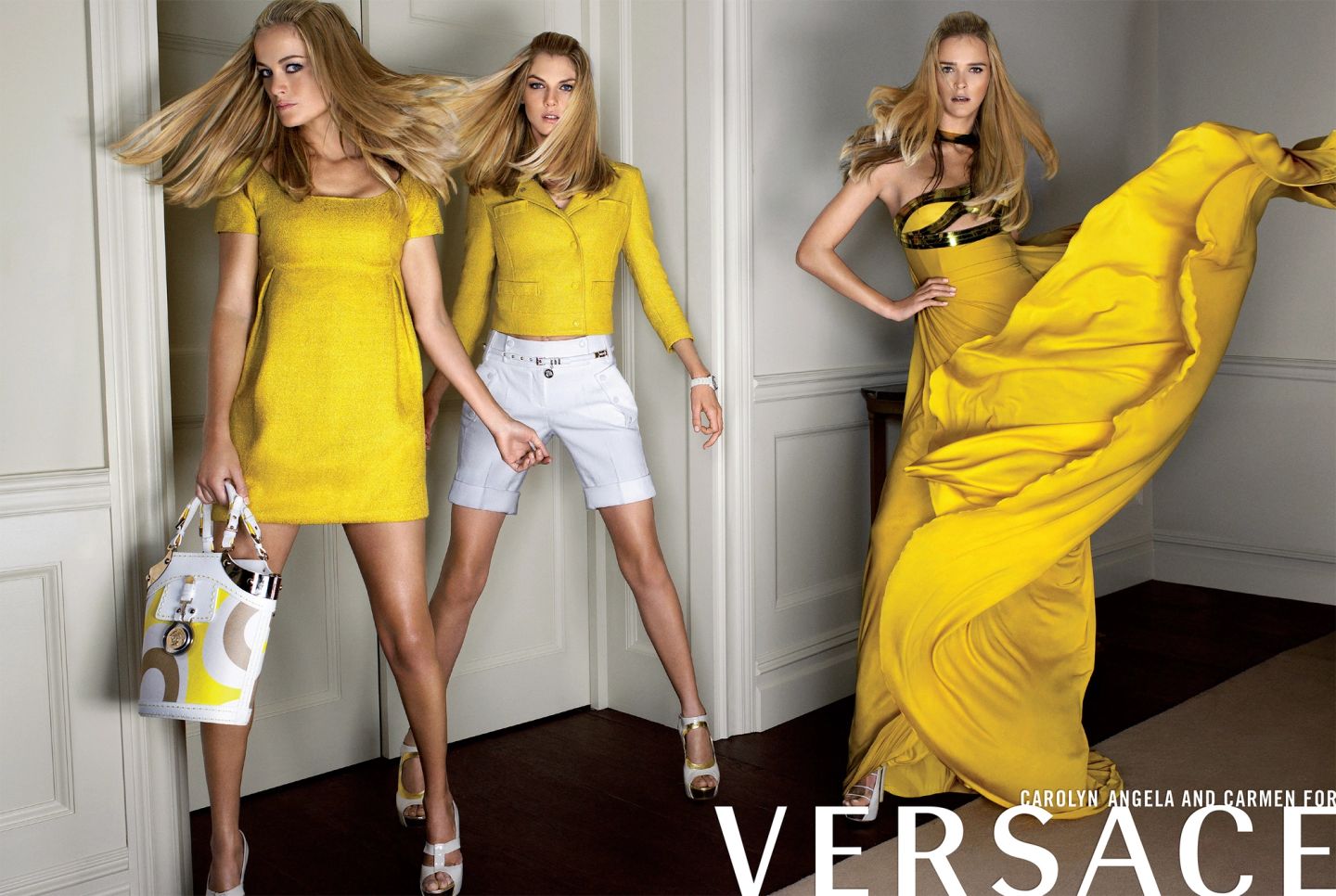
Versace campaign photographed by Mario Testino in New York, 2006.


Dolce & Gabbana campaign photographed by Mario Testino in Rio de Janeiro, 2001.

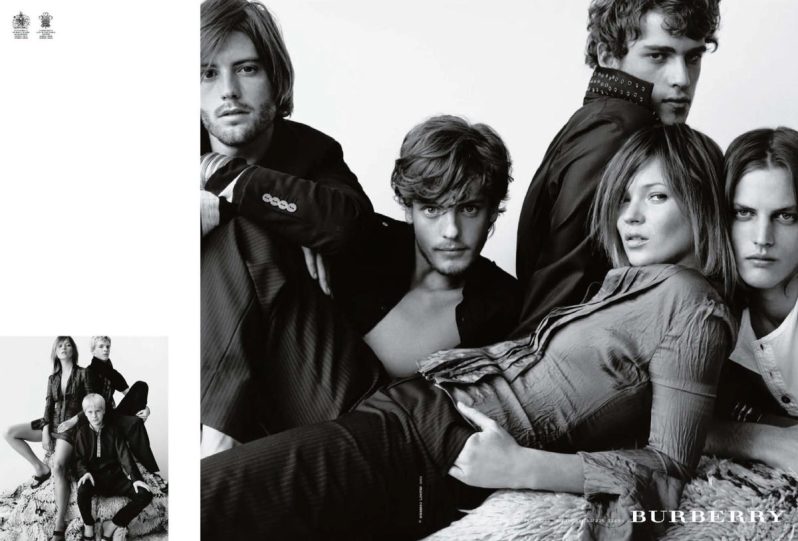
Burberry campaign photographed by Mario Testino in London, 2001.


Gucci campaign photographed by Mario Testino in Los Angeles, 2004.

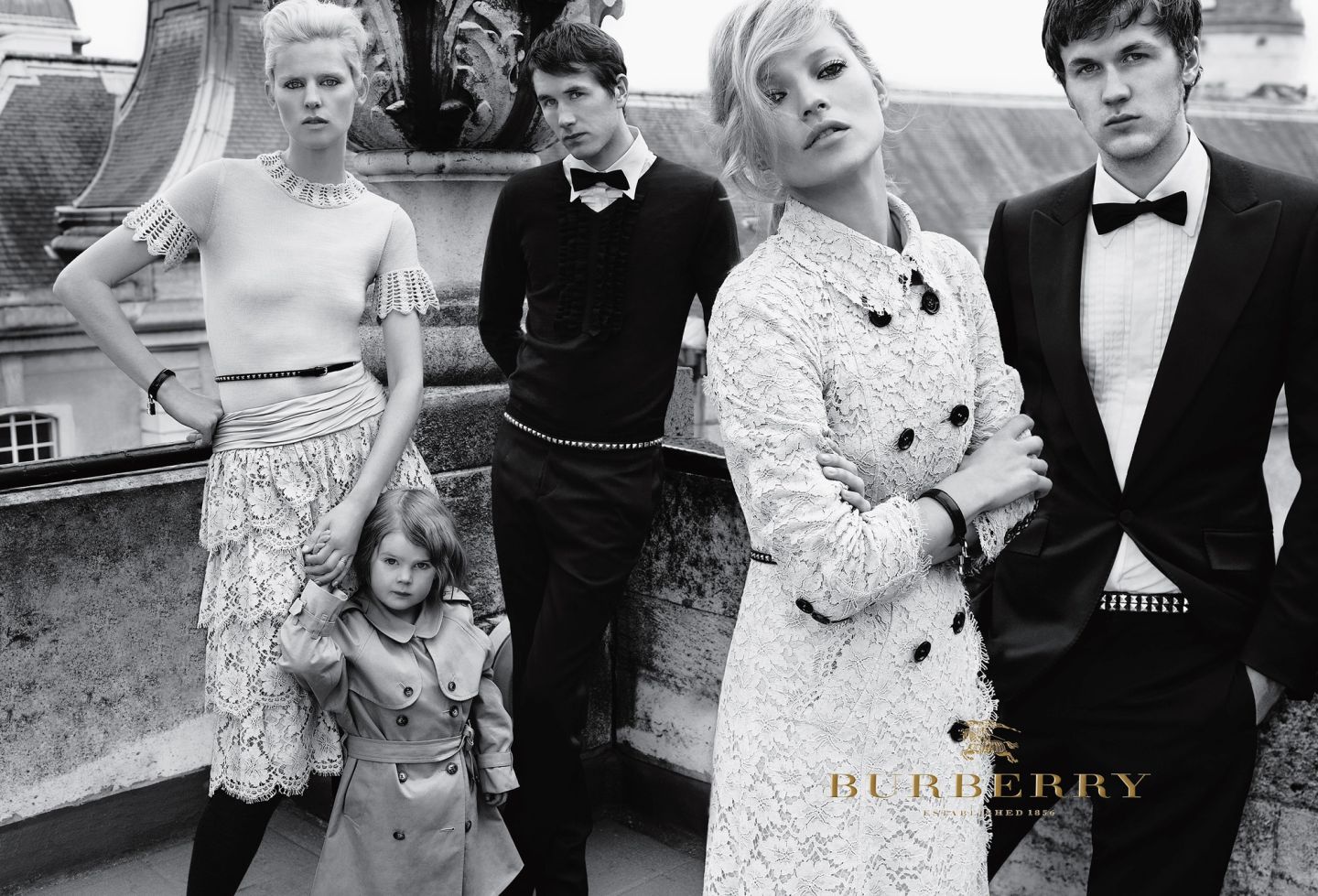
Burberry campaign photographed by Mario Testino in London, 2006.
Then, there is another element that often surprises people who watch him work. Language.
During a recent conversation with Simon de Pury in Gstaad, Testino reflected that directing a group is not only about composition. It is also about communication. If a photographer gives a direction loudly to one person, the entire group tends to react. The atmosphere shifts.
Instead he often speaks quietly to individuals, sometimes in their own language, guiding the composition without disturbing the collective rhythm.It is less like issuing instructions and more like conducting a piece of music. Perhaps this is why his group photographs rarely feel static. They feel inhabited.
Across campaigns in Paris, Berlin, Rio de Janeiro, London, Monaco and New York, the faces change, the cities change, the fashion changes. But the feeling remains the same. The image is not about one person dominating the frame.It is about presence shared. “I’ve always been a person that brings all my friends together,” Testino once said. “Groups are something that present themselves in my own life.”
Seen in that light, the group photographs scattered throughout his career begin to feel less like a stylistic choice and more like a reflection of the world he enjoys inhabiting. Rooms filled with people. Conversations overlapping. Movement passing from one figure to another.
And occasionally, in the middle of it all, the camera finds the precise moment when everyone seems to belong to the same picture. A moment when the choreography holds.