AFRICA’S CONTINUITY: MARIO TESTINO AND THE GEOGRAPHY OF BELONGING

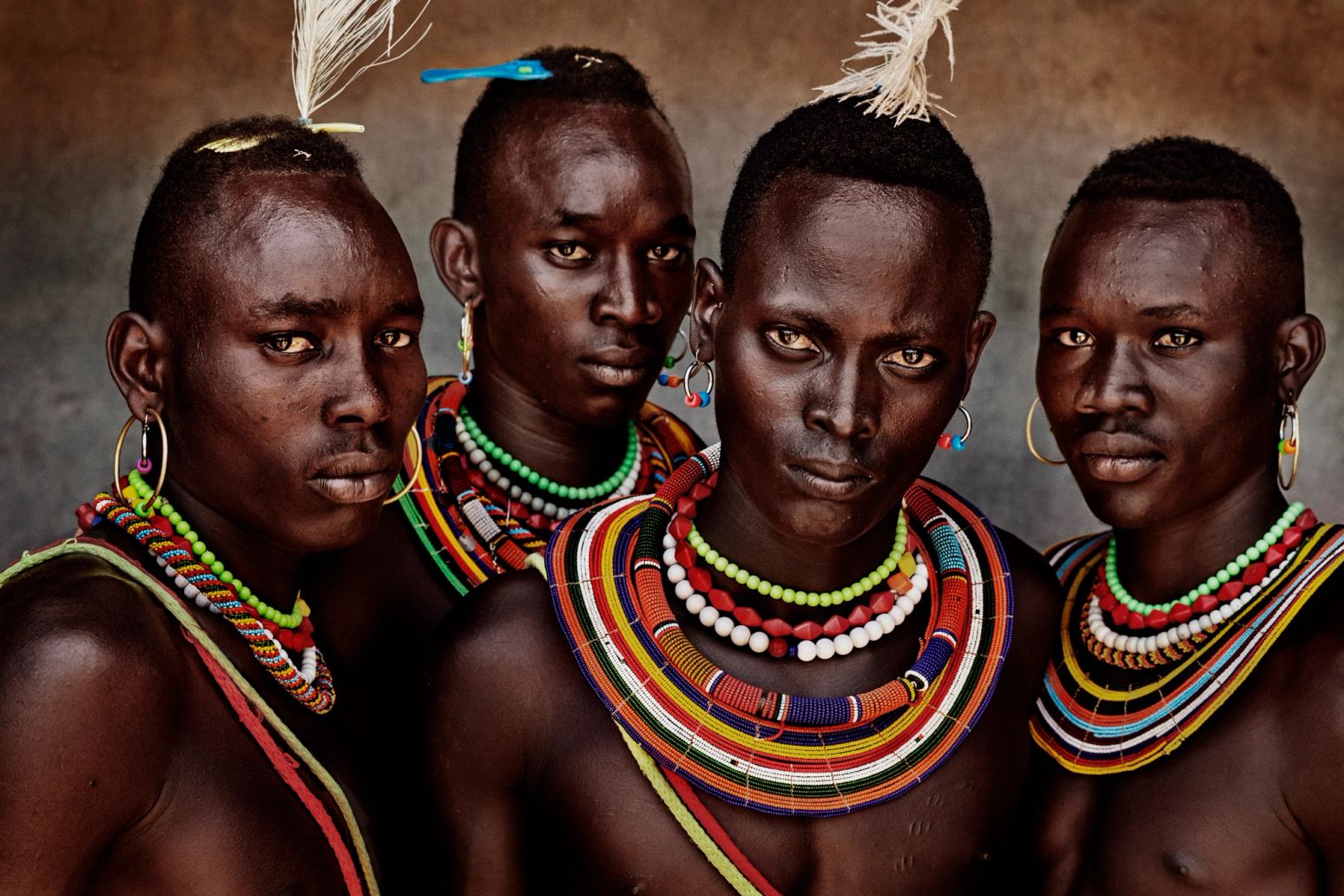
At a moment when global culture is once again turning towards Africa—in fashion, in art, in image-making—Mario Testino’s A Beautiful World holds a different register. It does not arrive as a reaction. It does not borrow the continent as mood, palette or inspiration. It proceeds with another kind of seriousness altogether.
Across Ethiopia, Namibia, Kenya, Morocco, Egypt, Senegal and the Democratic Republic of the Congo, the work is not organised around trend, but around continuity: the visible systems through which people define who they are, where they belong, what they inherit, and what they choose to carry forward.
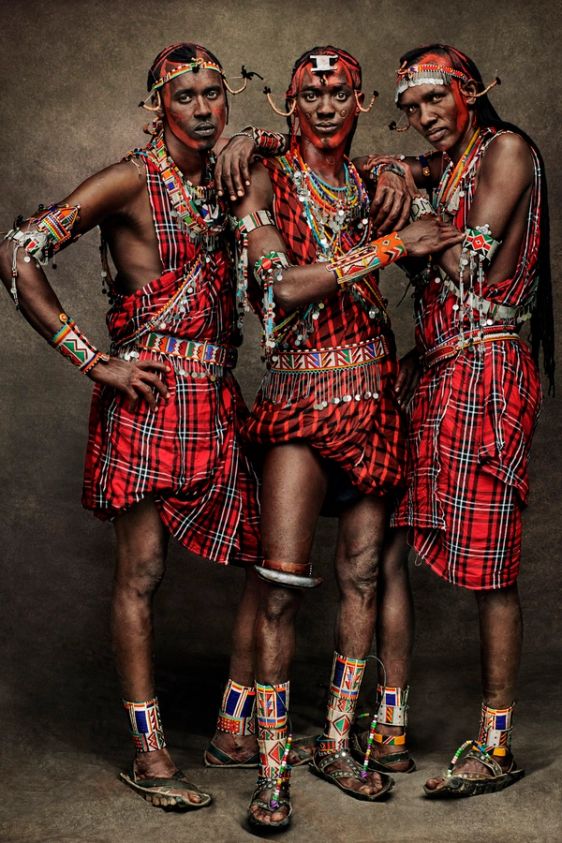
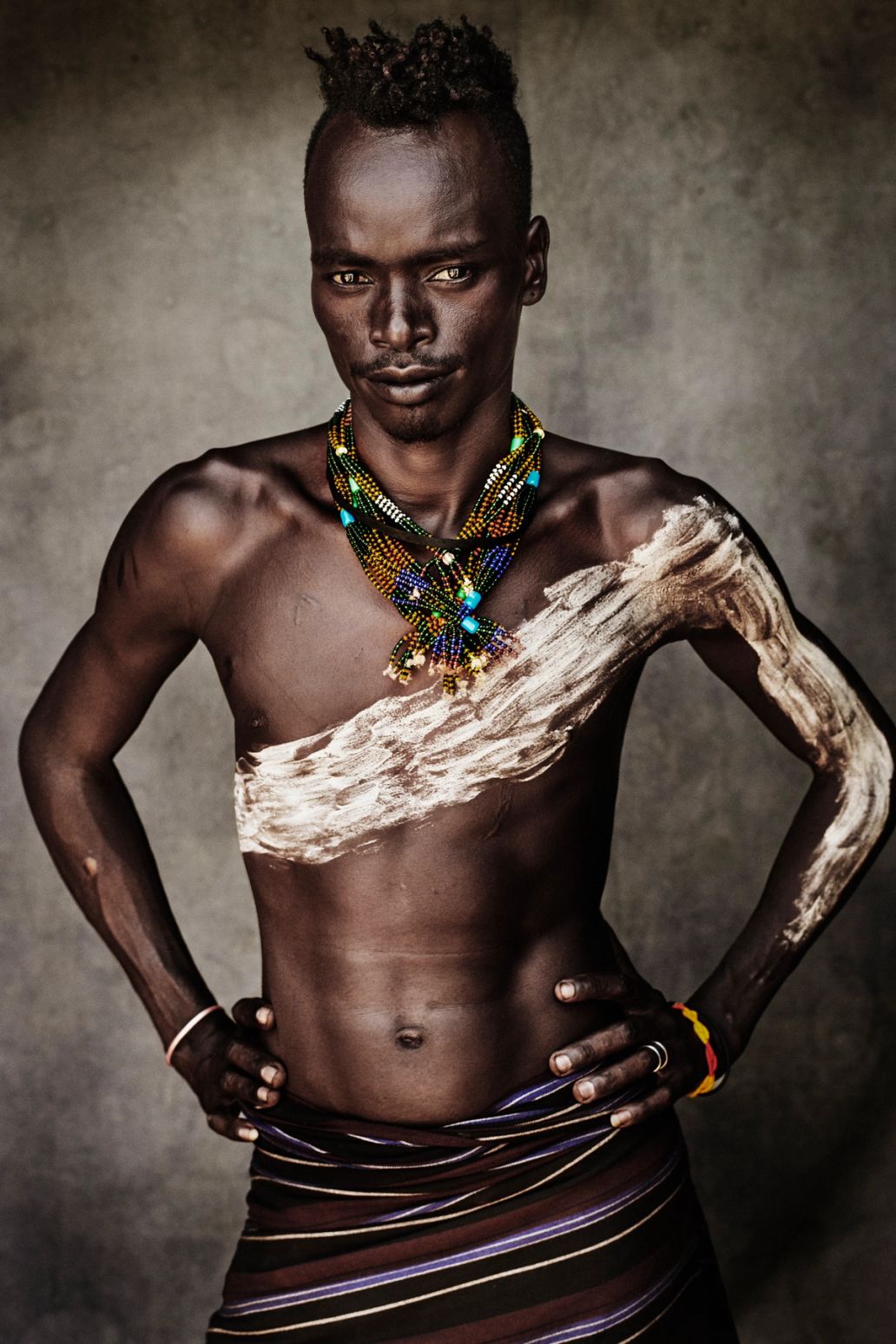
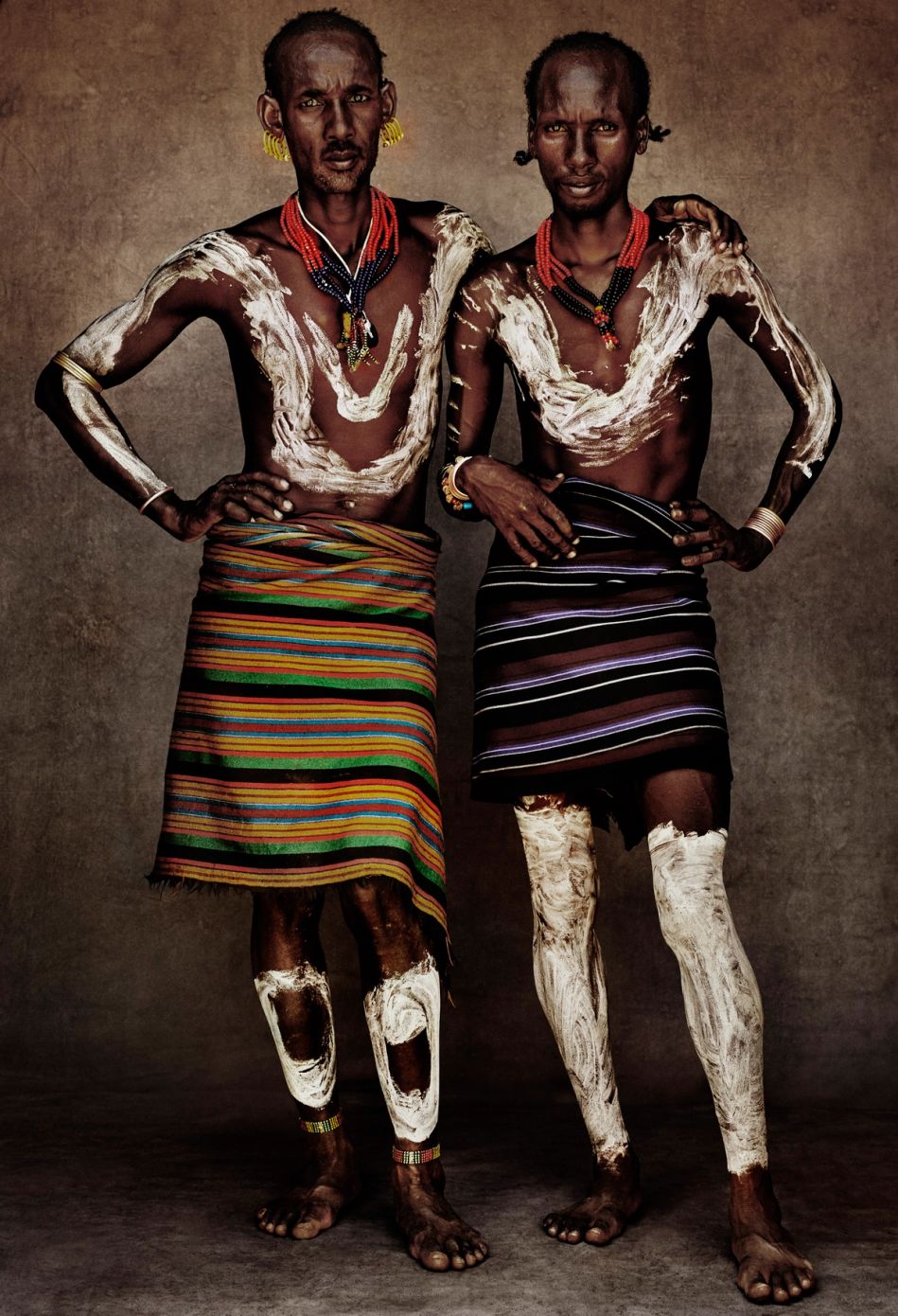
What emerges across these journeys is not a single image of Africa, nor a flattening of its cultures into one visual thesis. Quite the opposite. The work insists on difference. The Maasai, Samburu, Pokot and Turkana in Kenya. The Mursi, Suri, Kara and Dassanach in Ethiopia. The Himba and Herero in Namibia. The Sahrawi and Tekna in Morocco. Nubian communities in Egypt. Laamb wrestlers in Senegal. Kuba and Pende traditions in the Democratic Republic of the Congo. Each appears not as part of a survey, but as a complete visual language in its own right. Dress, adornment, paint, jewellery, textiles, posture, hair, ritual, all of it functioning not as decoration, but as structure. Not as embellishment, but as a way of making identity visible.
Testino has spoken often of what he searches for in A Beautiful World:
“I look for the clothes people use to define their sense of belonging. Sometimes that’s through geography where a certain dress immediately tells you the region or country and sometimes through religion, profession, or celebrations like theatre and festivals.” - Mario Testino
The statement is simple, but it clarifies the entire method. These are not photographs built around the romance of distance. They are photographs built around legibility. They ask what clothing does, what it signals, what it remembers. They begin from the premise that people have already authored themselves.
That is why the work feels so distinct from the long, compromised history of travel imagery. Testino does not restyle, reinterpret or impose. “I don’t change anything. I don’t dress them differently,” he has said. “I simply use my photography skills to highlight their beauty so others can appreciate the wonder these clothes carry.” The discipline here is not one of invention, but of recognition. A lifetime of understanding proportion, fabric, silhouette, light and gesture is redirected away from the manufacture of fashion imagery and towards the clarification of what already exists. The image is no longer built. It is met.

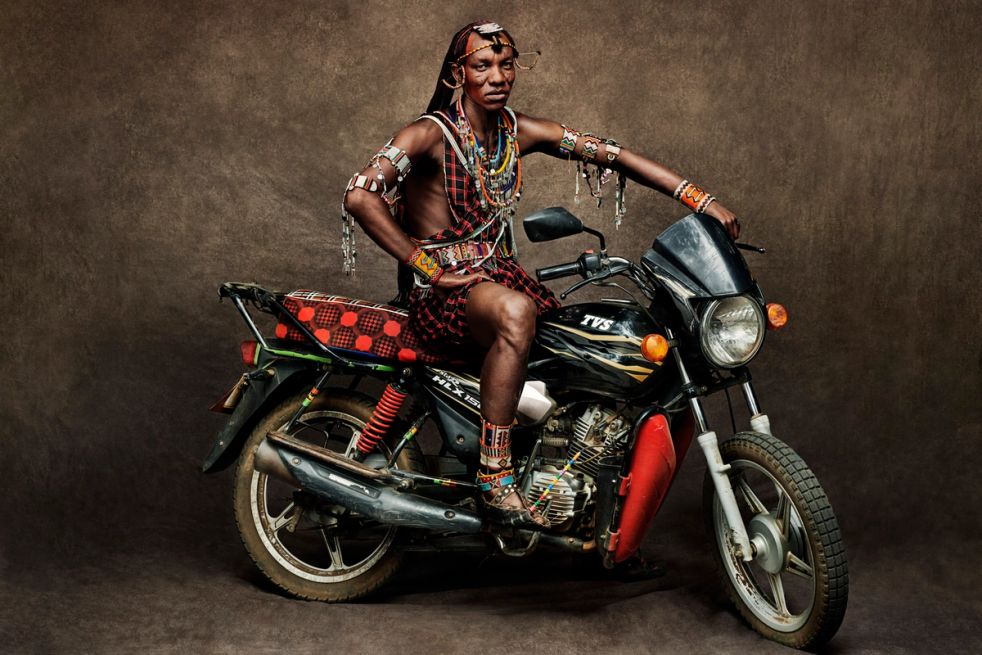
A Man of the Maasai, Kenya, 2023. Photographed by Mario Testino.

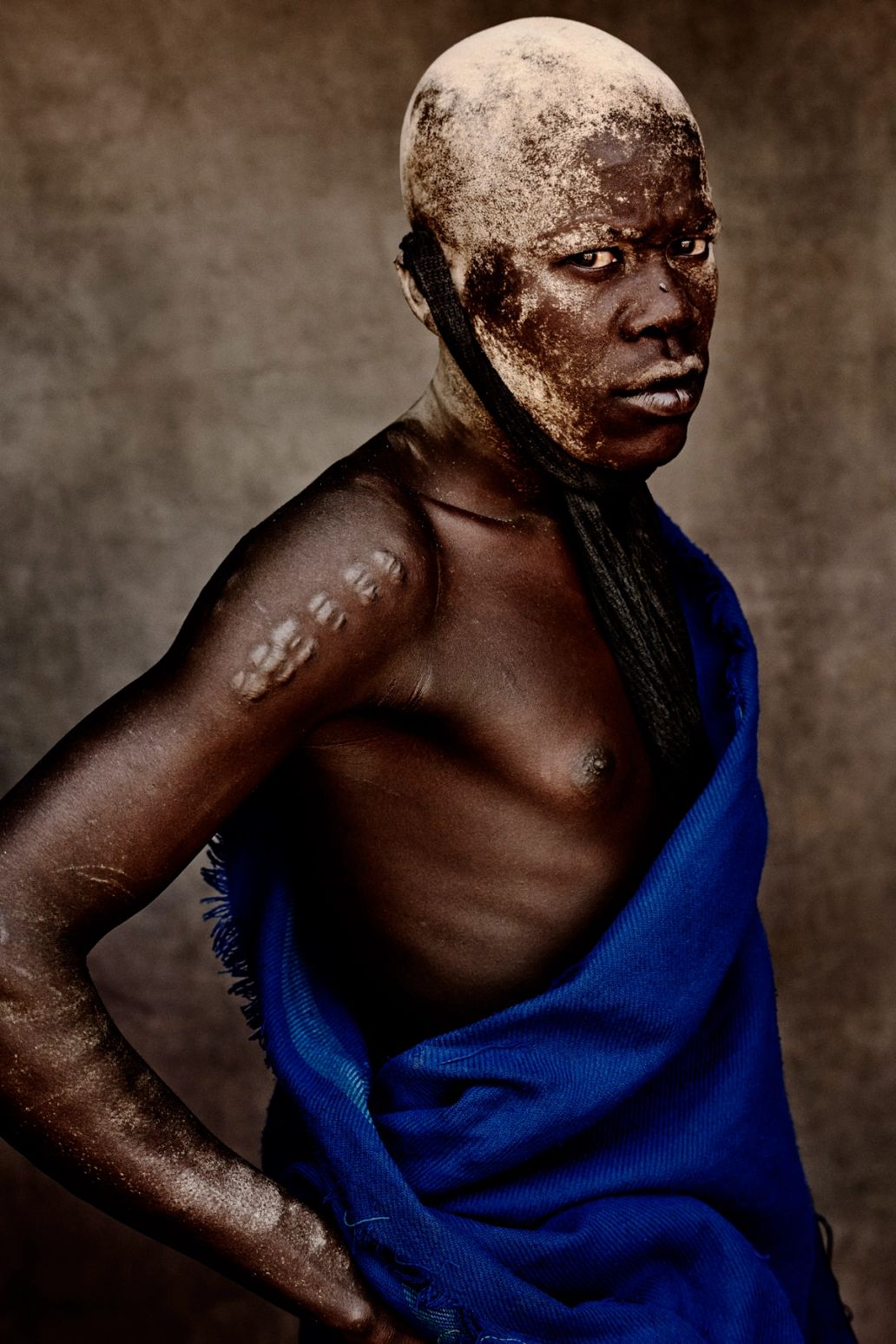
A Man of the Mursi, Ethiopia, 2019. Photographed by Mario Testino.

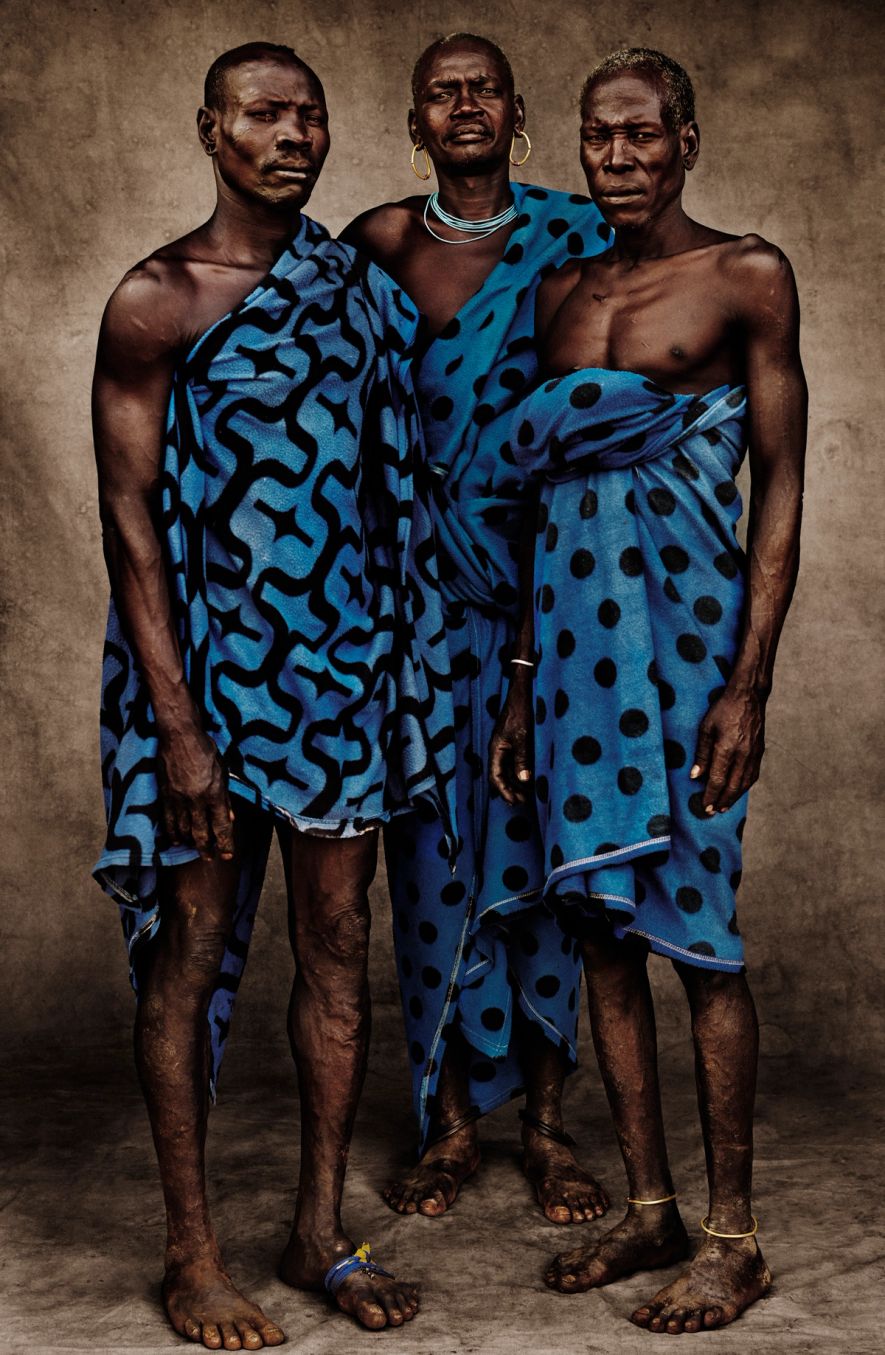
Men of the Mursi, Ethiopia, 2019. Photographed by Mario Testino.

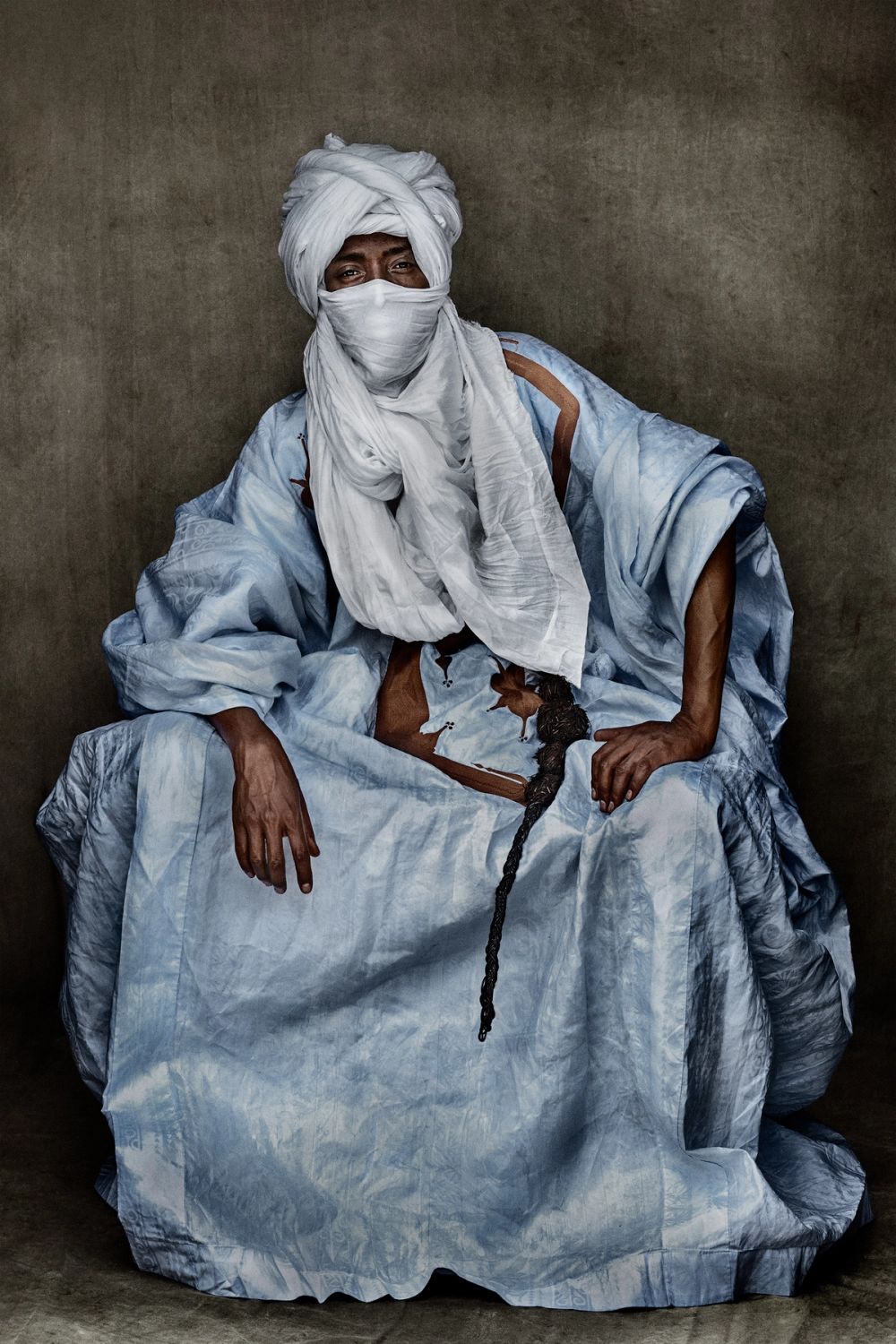
A Sahrawi, Morocco, 2019. Photographed by Mario Testino.

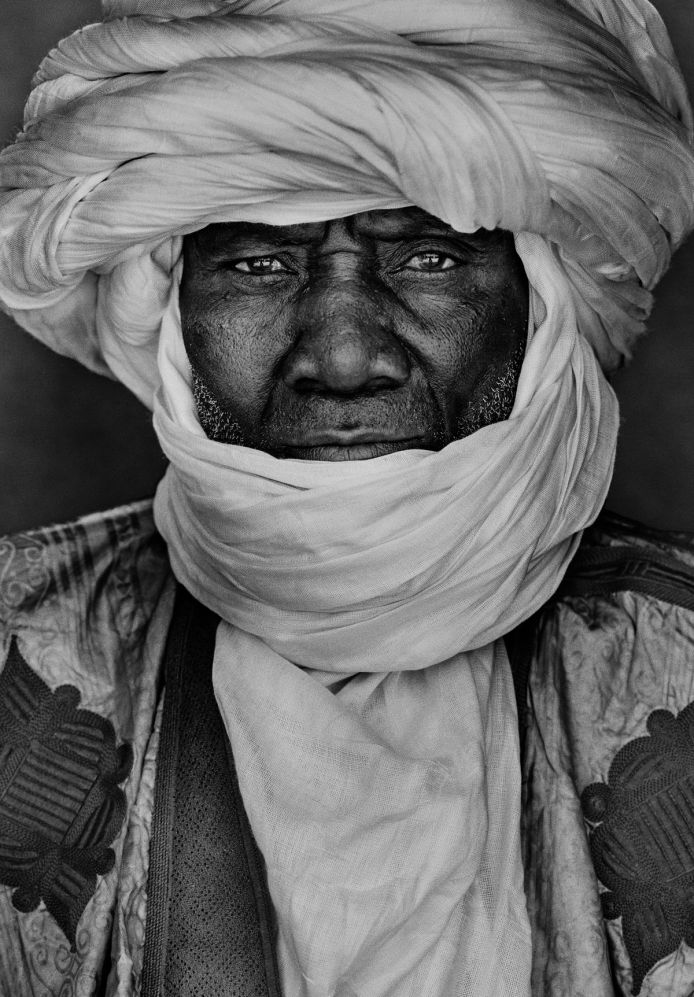
A Sahrawi, Morocco, 2019. Photographed by Mario Testino.

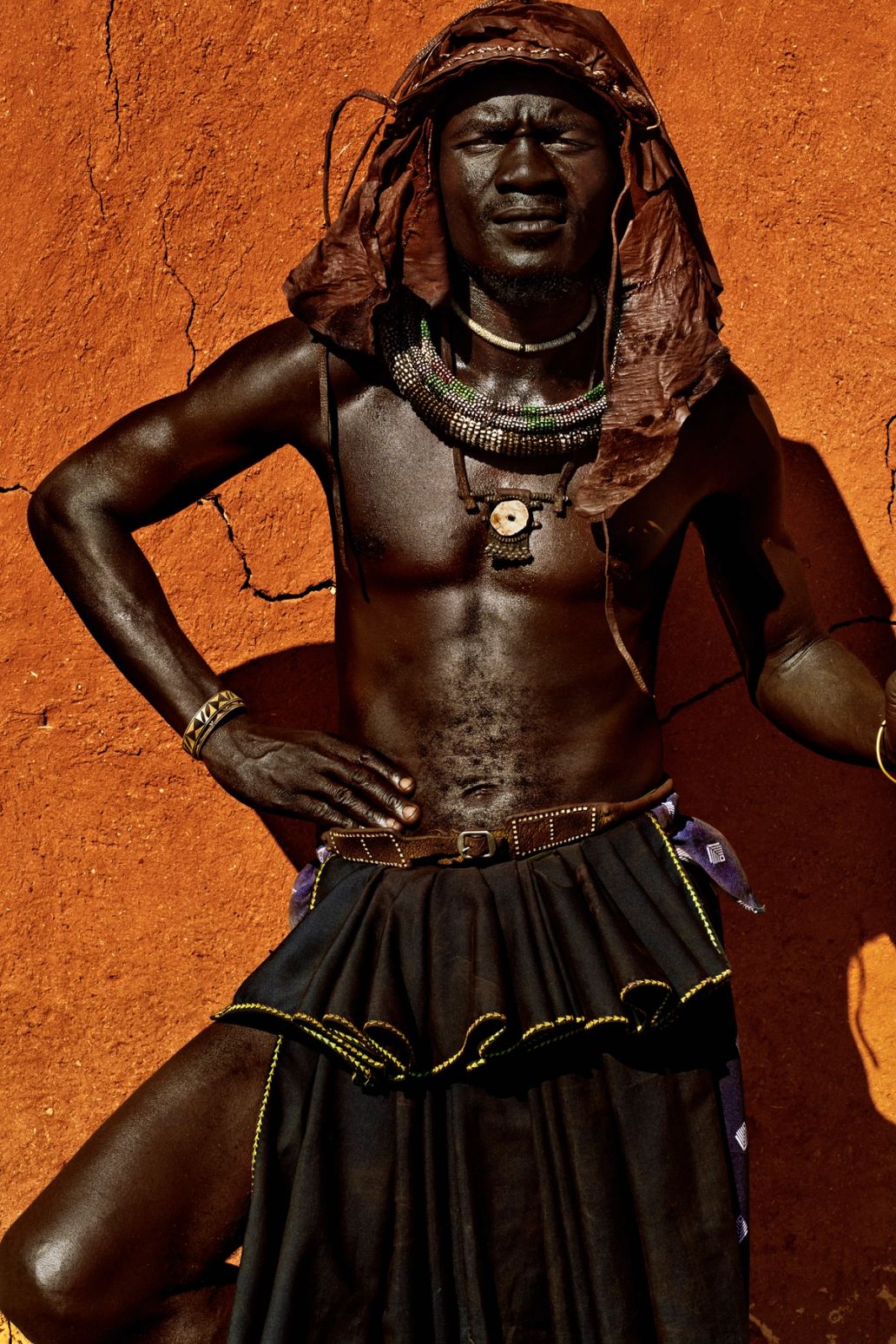
A Man of the Himba, Namibia, 2022. Photographed by Mario Testino.

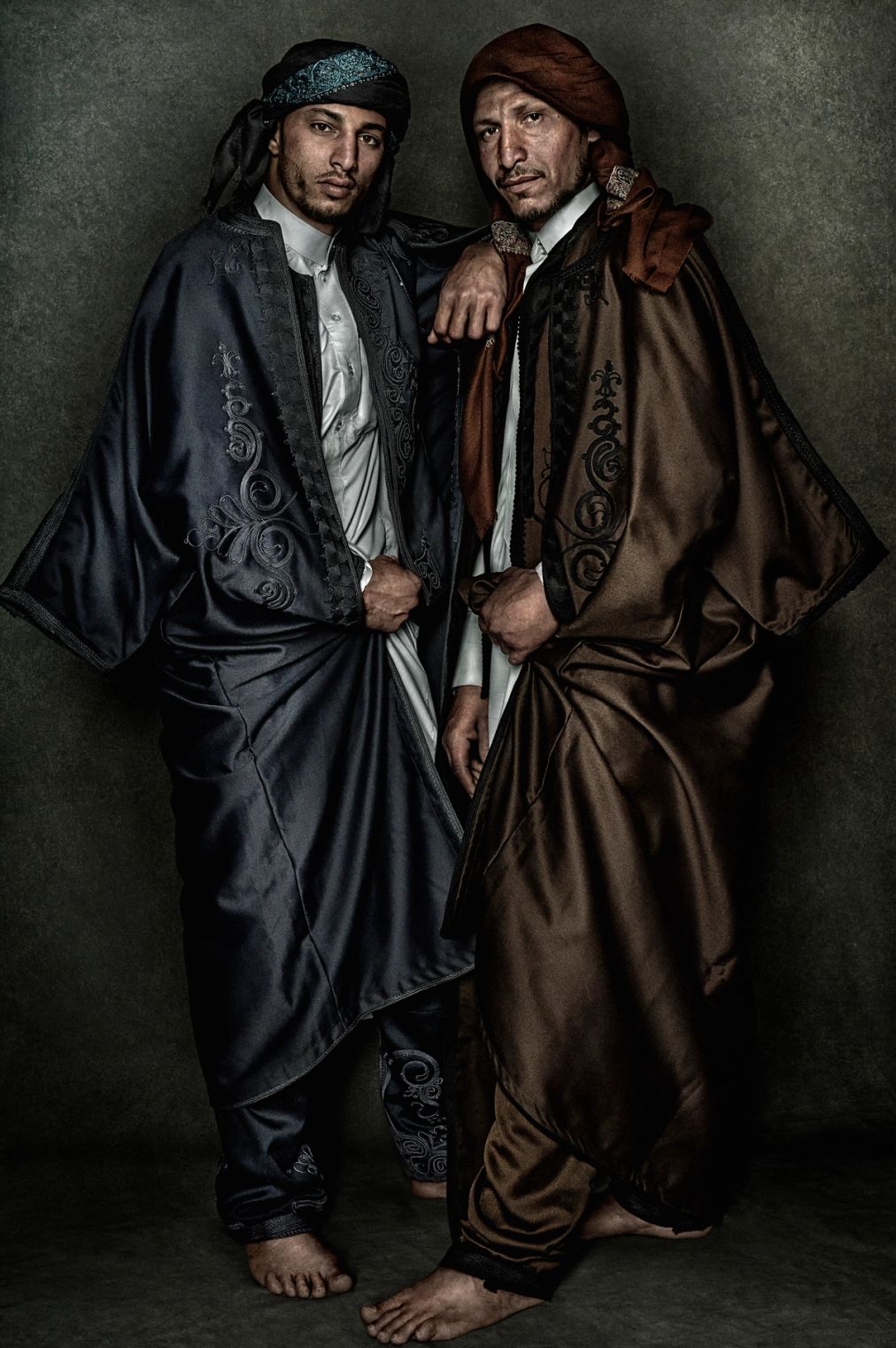
A Marsa Matrouh Bedouin, Egypt, 2025. Photographed by Mario Testino.

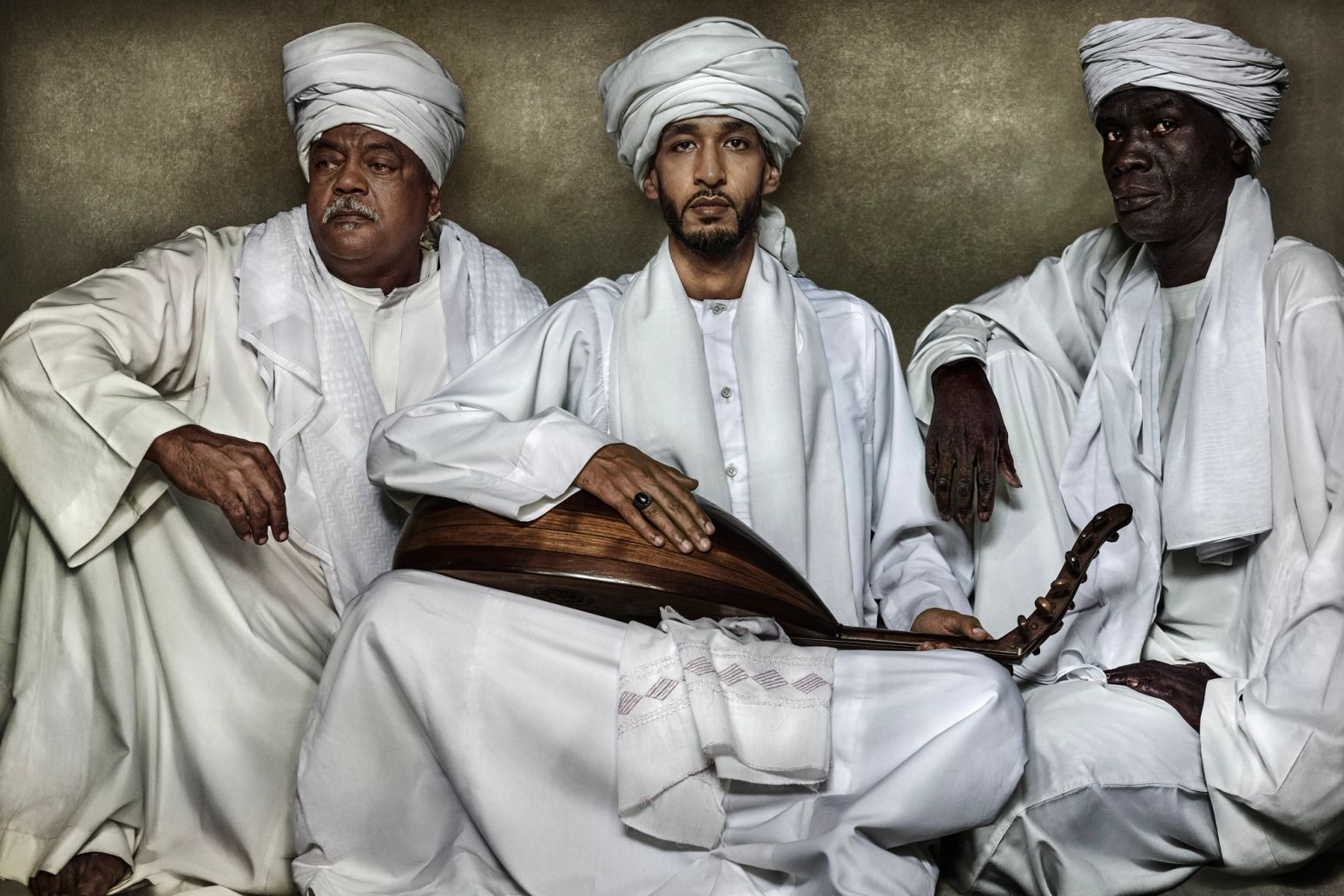
Three Nubian Men, Egypt, 2024. Photographed by Mario Testino.

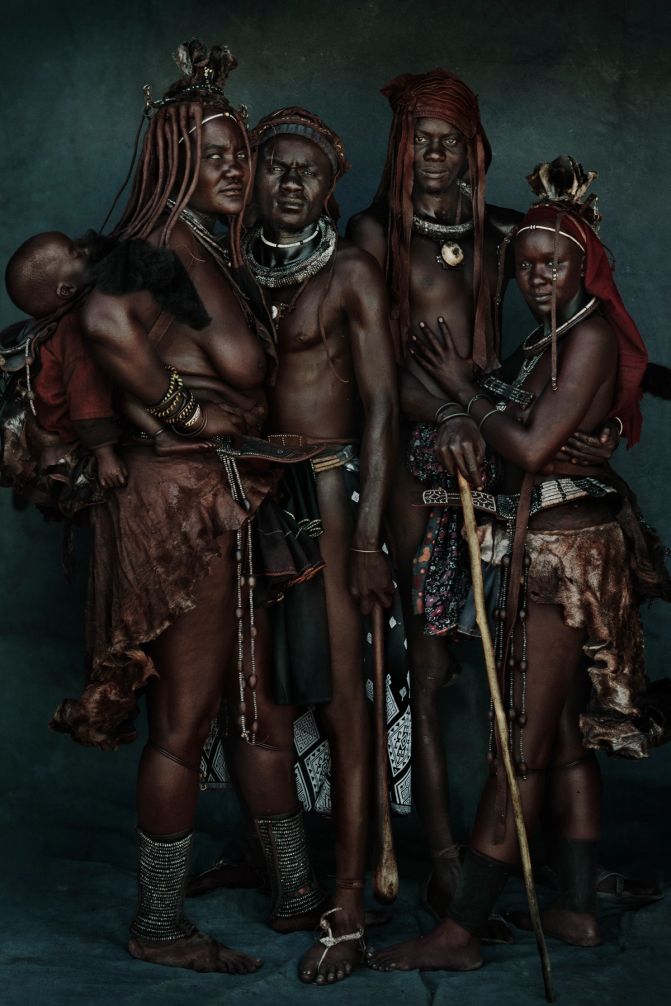
People of the Himba, Namibia, 2022. Photographed by Mario Testino.



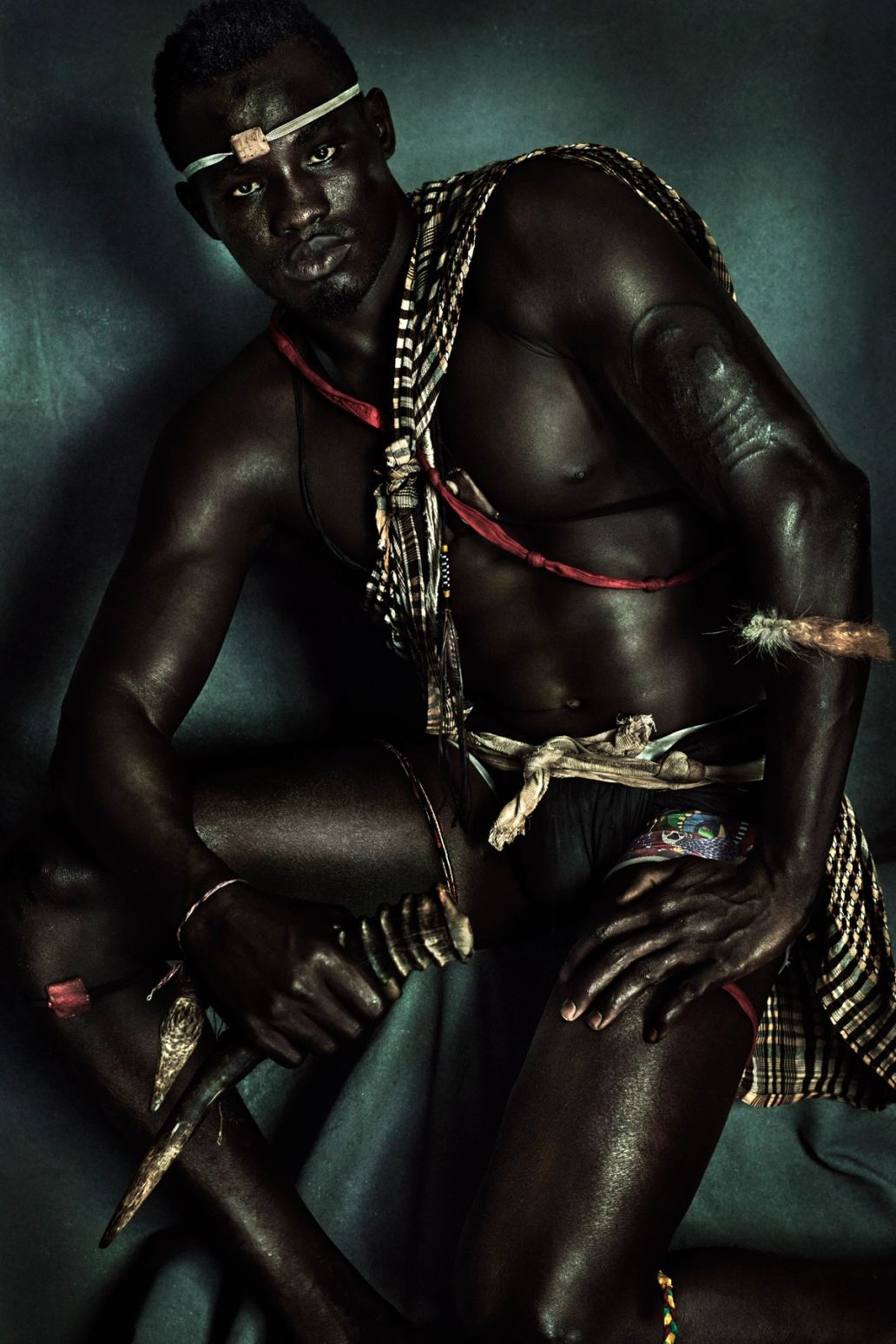
Laamb Wrestler, Senegal, 2022. Photographed by Mario Testino.

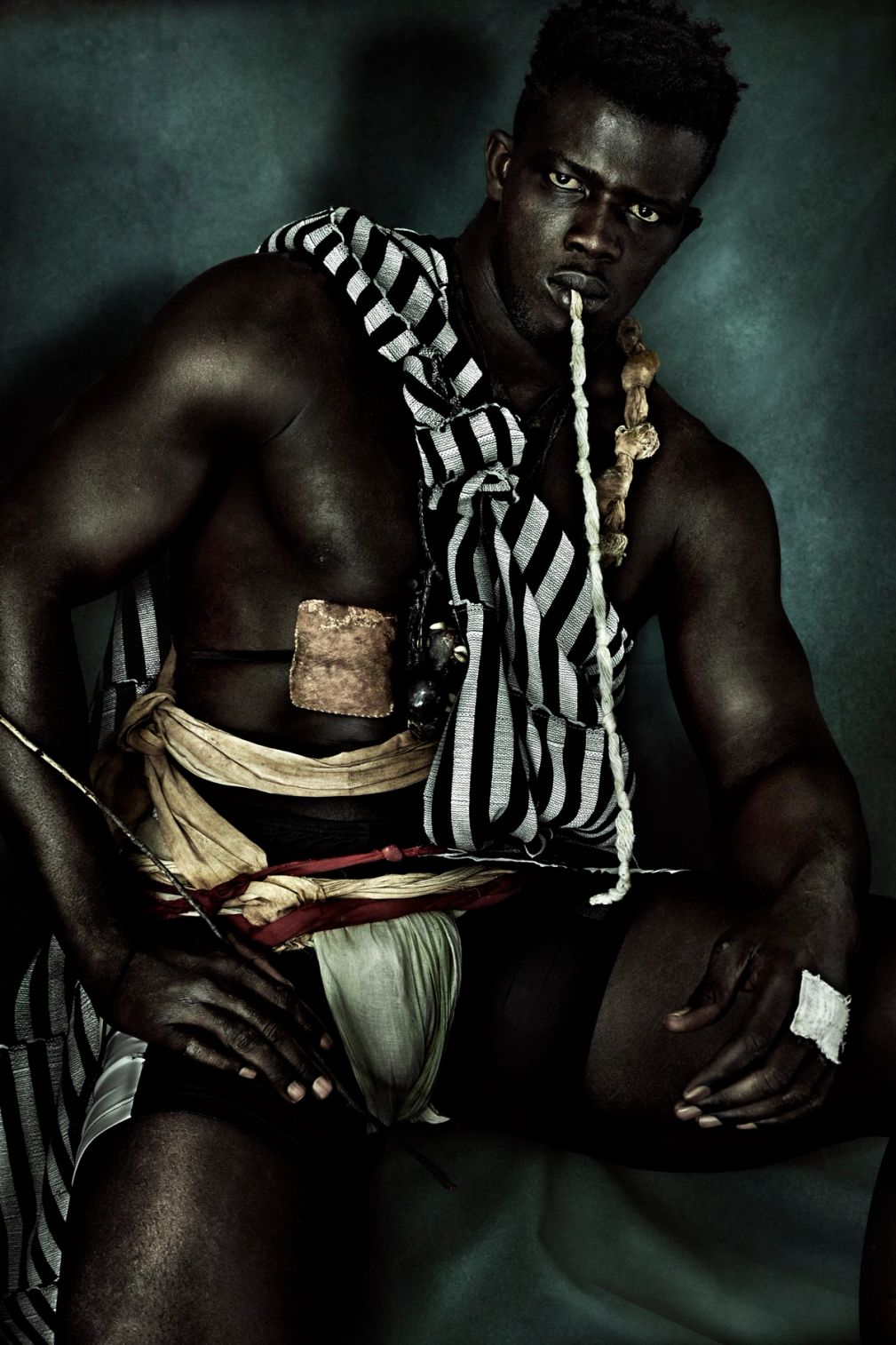
Laamb Wrestler, Senegal, 2022. Photographed by Mario Testino.

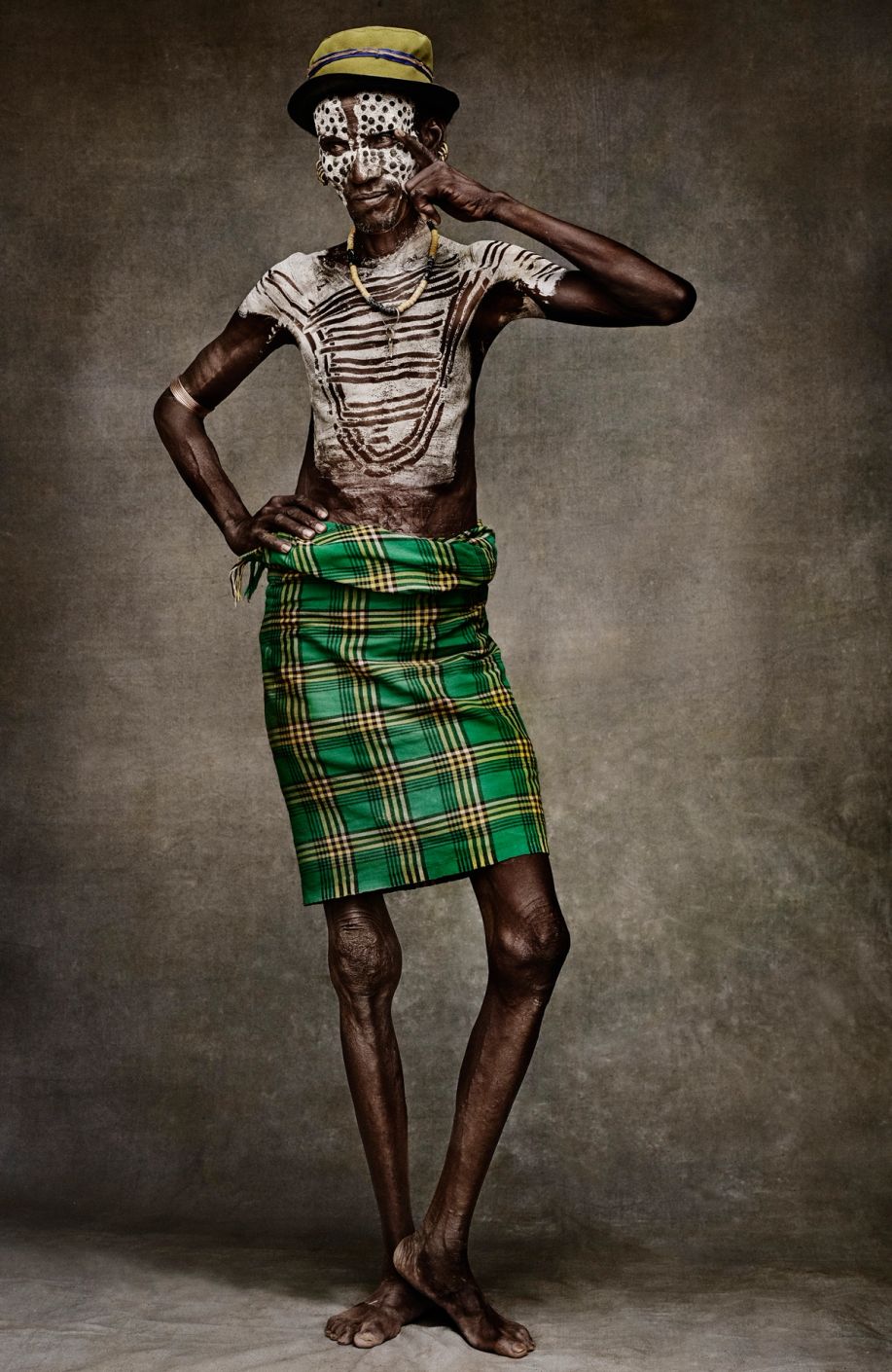
A Boy of the Kara, Ethiopia, 2019. Photographed by Mario Testino.

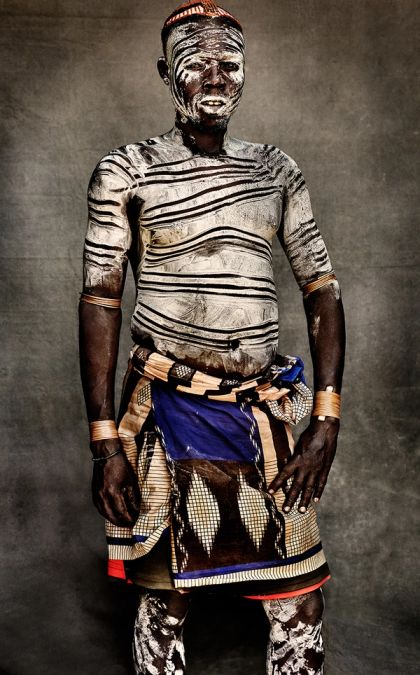
A Man of the Kara, Ethiopia, 2019. Photographed by Mario Testino.
In Morocco, this takes the form of movement. Testino has said of the Sahrawi men that he was “obsessed” from the first time he saw them, drawn to the proportions created by textiles blowing in the wind. It is a revealing remark, because it shows exactly where the fashion eye becomes something broader. Fabric here is not mere garment. It becomes architecture. It catches air, extends the body, produces volume, creates line. The winding of a Sahrawi turban is not simply practical, nor symbolic alone, but a skill passed from one person to another, a transformation that turns flat cloth into shape, identity and authority. The image records not only what is worn, but what it takes to make that form possible.
In Kenya and Ethiopia, the body itself becomes a more immediate site of inscription. Among Turkana communities, jewellery accumulates with such density and precision that it begins to operate as a second skin, carrying status, social position and the rhythms of life within its weight. Testino noted of the Turkana women that even within shared codes of dress, each maintains “a very defined style of their own.” That insistence on individuality within collective systems runs throughout the project. It is there again in the Dassanach portraits from Ethiopia, where the visual force lies not in theatricality, but in compression. In those close, head-and-shoulder views, the frame tightens until hair, ornament, profile and skin carry the entire burden of the image. The result is severe, exacting, unforgettable. Nothing in the composition asks for spectacle, yet the effect is arresting. You are made to confront structure itself: how a hairstyle becomes social language, how the contour of a head can carry the weight of heritage.
The Namibia work extends this same precision in another direction. Himba and Herero dress systems are often discussed together, but Testino’s photographs make clear that what matters is not comparison for its own sake, but coherence. Each community holds within its silhouette a parallel history, one tied to ancestral preservation, the other to a profound reworking of imposed form into something wholly claimed and inhabited. The photographs do not explain this history away. They allow the clothes to stand as evidence of it. You feel the dignity of inheritance before you are asked to interpret it.
In Egypt, along the coastline of Marsa Matrouh, the work settles into something quieter, but no less exacting. Among Bedouin communities, dress does not rely on accumulation or spectacle. It is defined by clarity. White garments, controlled lines, the precision of head coverings, each element held in balance rather than excess. The effect is immediate. Identity is not layered. It is distilled.

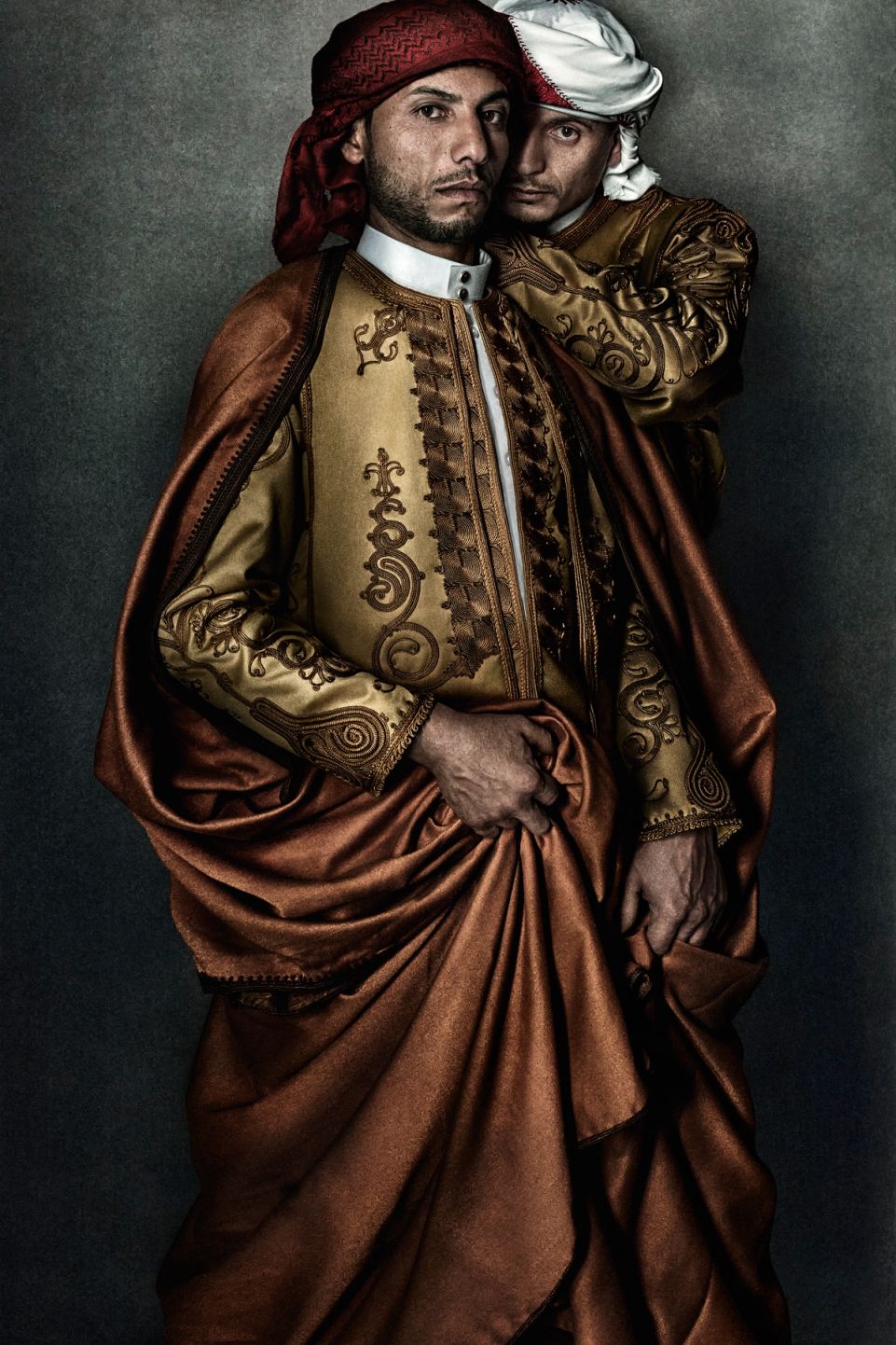
Bedouin men, Marsa Matrouch, Egypt. Photographed by Mario Testino for A Beautiful World, 2019.
What becomes visible here is not austerity, but knowledge. A way of dressing shaped by environment, by climate, by continuity across generations that have refined rather than expanded. The men do not perform for the image. They hold it. The stillness is deliberate, almost architectural, as if the body has aligned itself with something older than the moment in which it is photographed.
Testino has spoken of his search for the systems that define belonging. “I look for the clothes people use to define their sense of belonging,” he has said. In Egypt, that relationship feels inseparable from the human presence itself. Beyond the historical weight so often associated with the country, what remains most striking is something simpler. “The people,” he observed during his time there, “they’re just nice people.” It is a disarming statement, but it clarises the work. The photographs are not drawn to monument or myth, but to the human factor that holds everything together.
In this context, clothing does not function as ornament or distinction. It functions as continuity. A system carried forward without the need to announce itself. Not reduced, but resolved.
Then there is Senegal. The Laamb wrestlers should not be mentioned in passing, because they do not operate that way in the work. At the A Beautiful World exhibition in Rome, their images did not simply appear. They dominated. Monumental, almost overwhelming in scale, the wrestlers occupied the room with a physical authority that altered the temperature of the exhibition around them. Bodies coated, glistening, marked by milk and ritual preparation, they stood somewhere between portrait, ceremony and force-field. To encounter them at that scale was to understand that these were not pictures of sport. They were pictures of belief entering the body before action. As the exhibition text notes, Laamb wrestling began in the countryside as part of harvest celebrations, and magical practice still shapes preparation. The wrestlers are washed with milk to increase strength and invite the protection of spirits. Testino’s images register that threshold state with extraordinary force. The body is no longer merely muscular. It is consecrated. The photographs make visible the moment before contact, where power is still gathering itself.

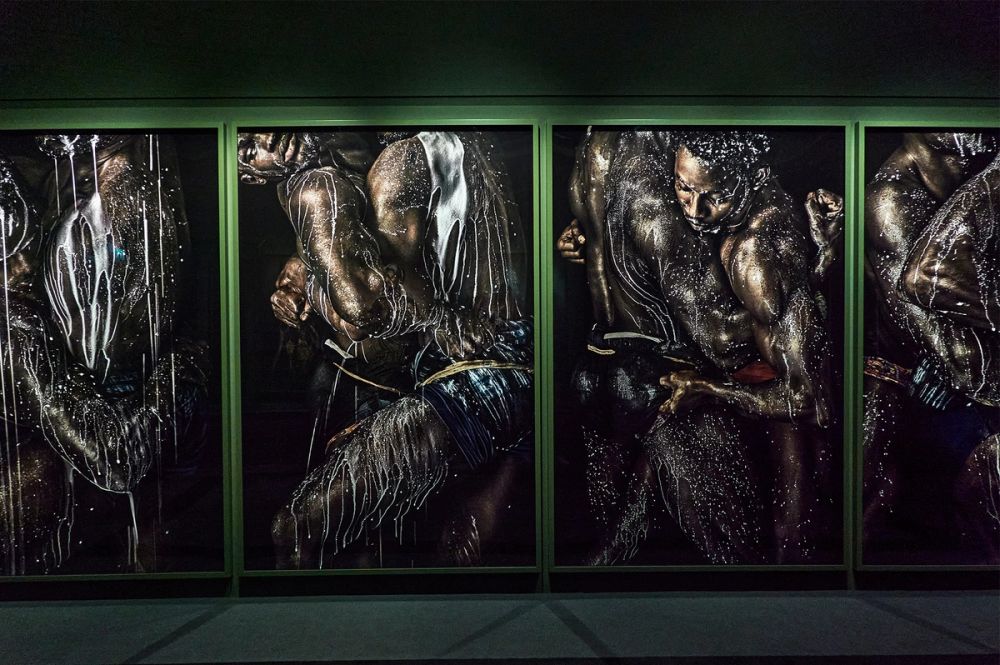
Mario Testino’s Laamb wrestlers, photographed in Dakar, Senegal, take on monumental scale at the A Beautiful World exhibition at Palazzo Bonaparte, where ritual, strength and spiritual preparation are rendered with overwhelming physical presence.
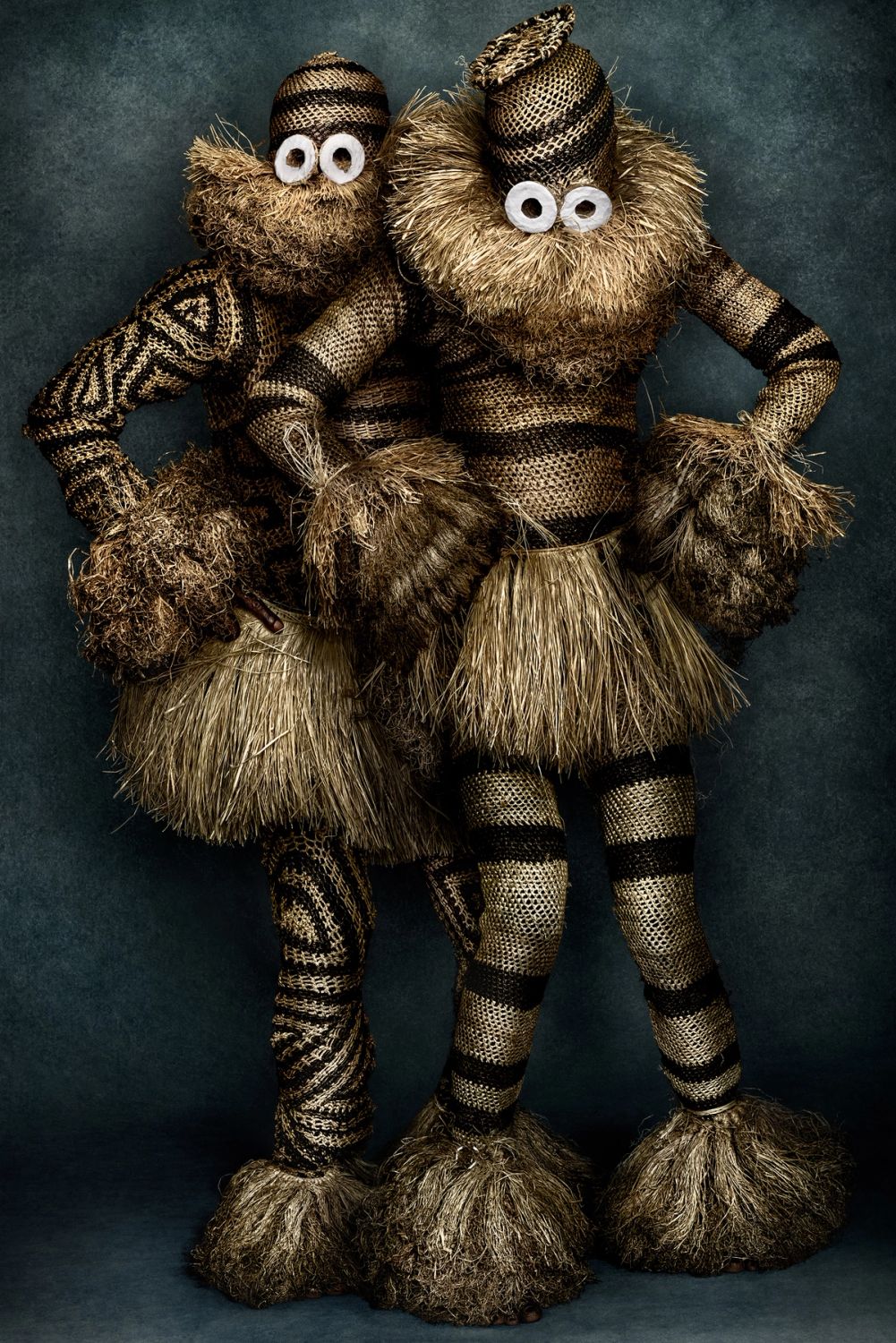
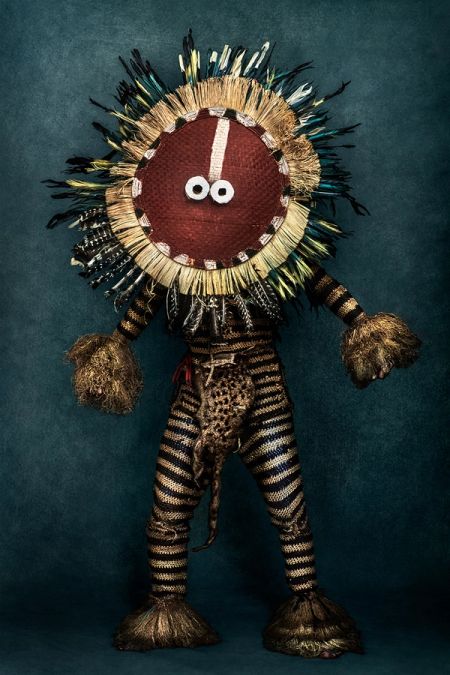
The Democratic Republic of the Congo brings another kind of intensity. The Pende and Kuba material already carried great weight within the project, but one image in particular assumed exceptional significance when it became the public face of the A Beautiful World exhibition in Rome. The choice mattered. This was not a peripheral culture placed quietly inside the show. It was given extraordinary visibility, appearing on the exhibition cover and across large-scale public visuals, its imagery circulating at a level of prominence such traditions are rarely afforded within a major European art context. That decision should not be read as appropriation, but as recognition. The image was not used to exoticise. It was trusted to lead. To introduce the exhibition at all. That is a meaningful distinction.
It makes sense when considered against the history behind the work. The Pende masquerades are not decorative inventions but structures of authority shaped by ritual, hierarchy and resistance. Exhibition notes connect the Munganji Wa Weso costumes to anti-colonial revolt and to systems of ancestral force that continue to exert power in the present. In Testino’s photographs, they do not appear as curiosities or relics. They arrive as complete figures, carrying social and spiritual order within their form. They ask the viewer to meet them at the level of seriousness they already possess.

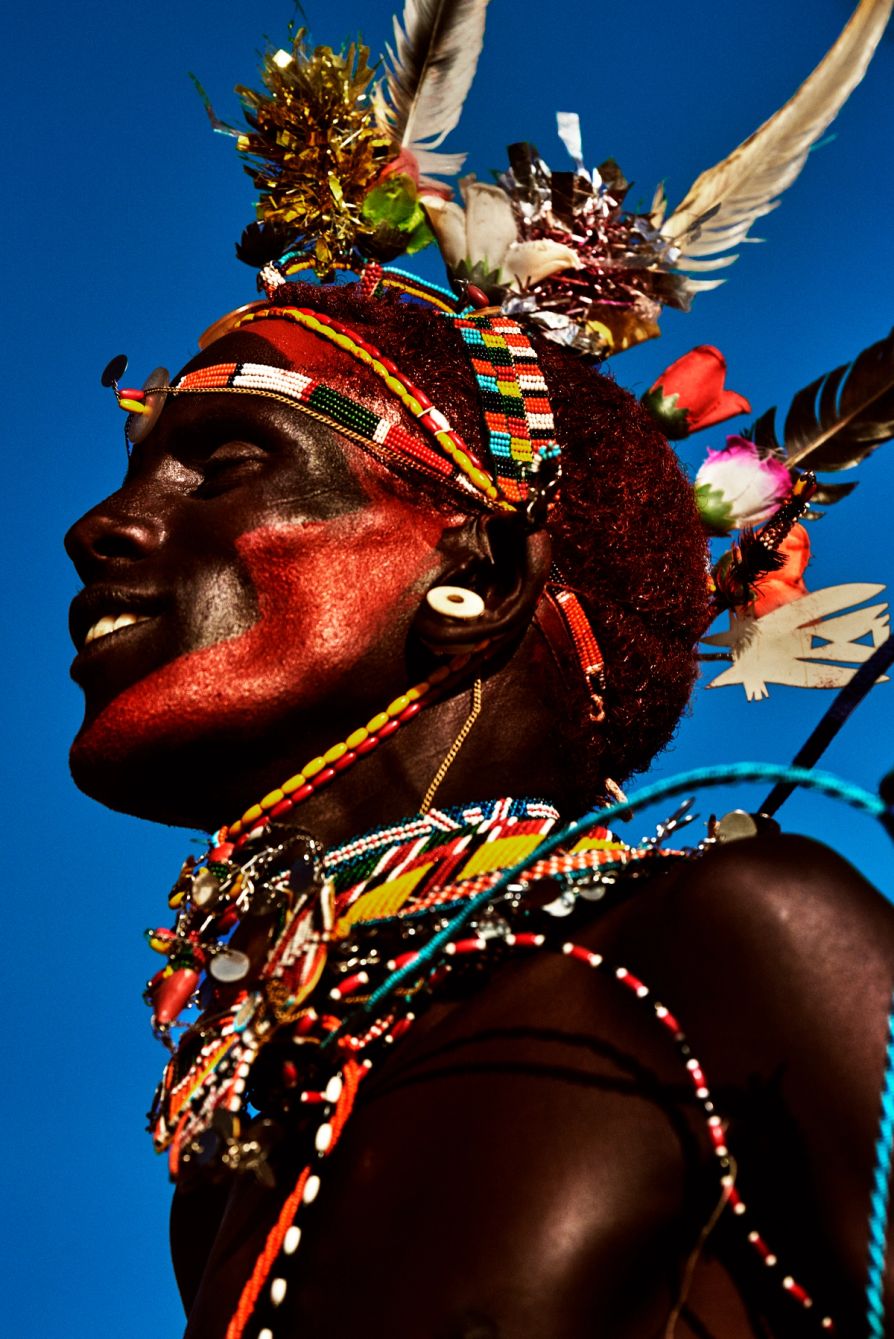

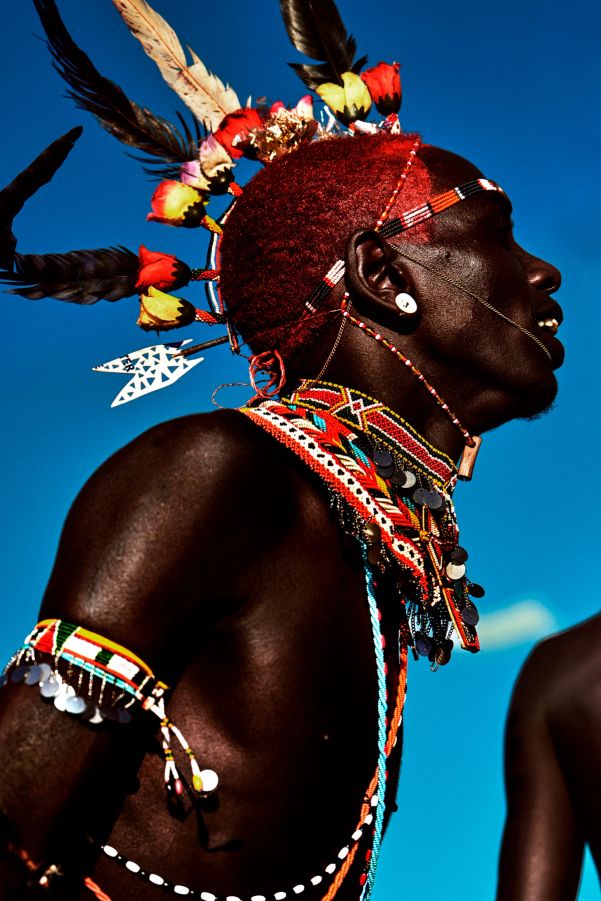

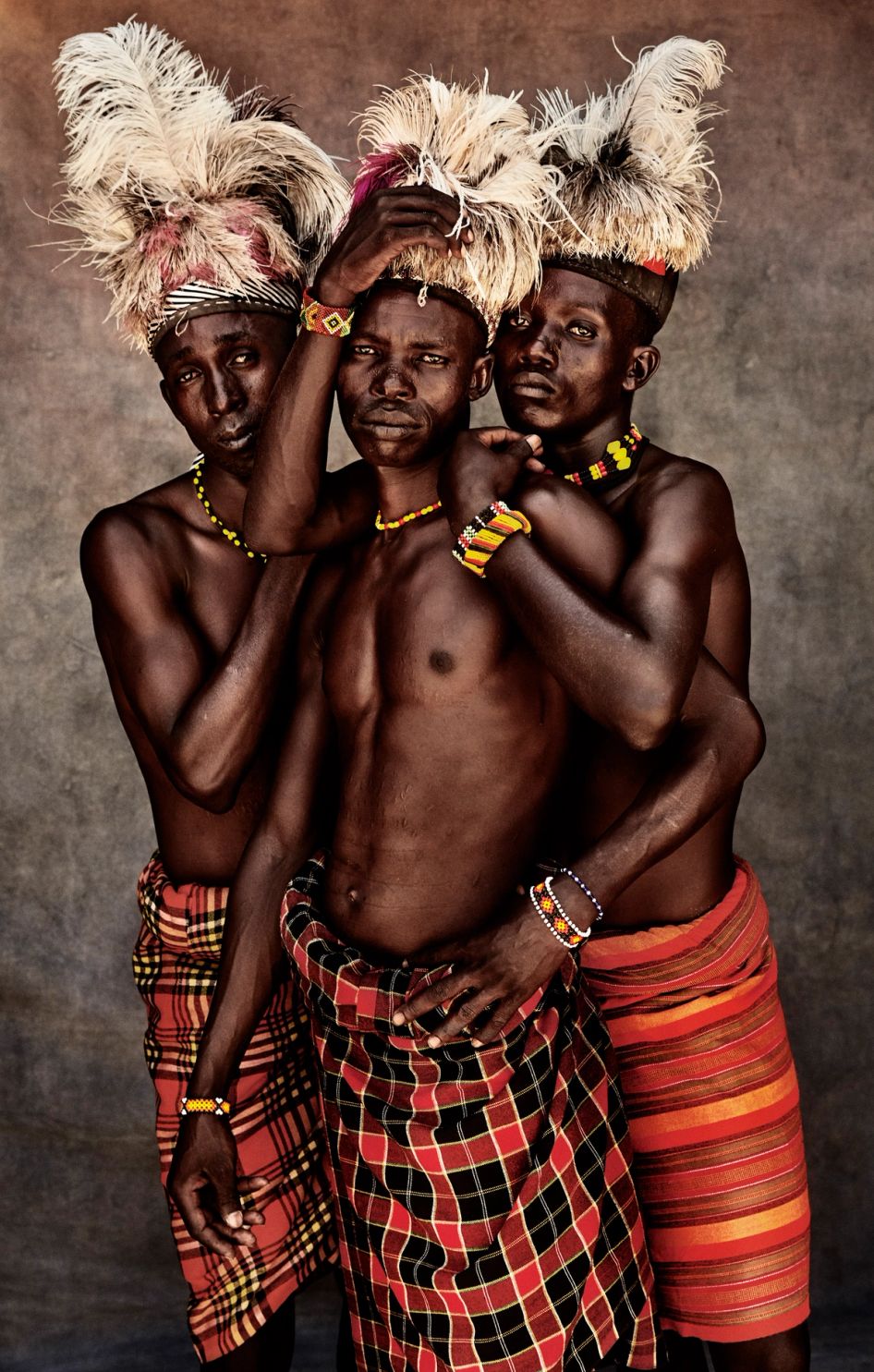

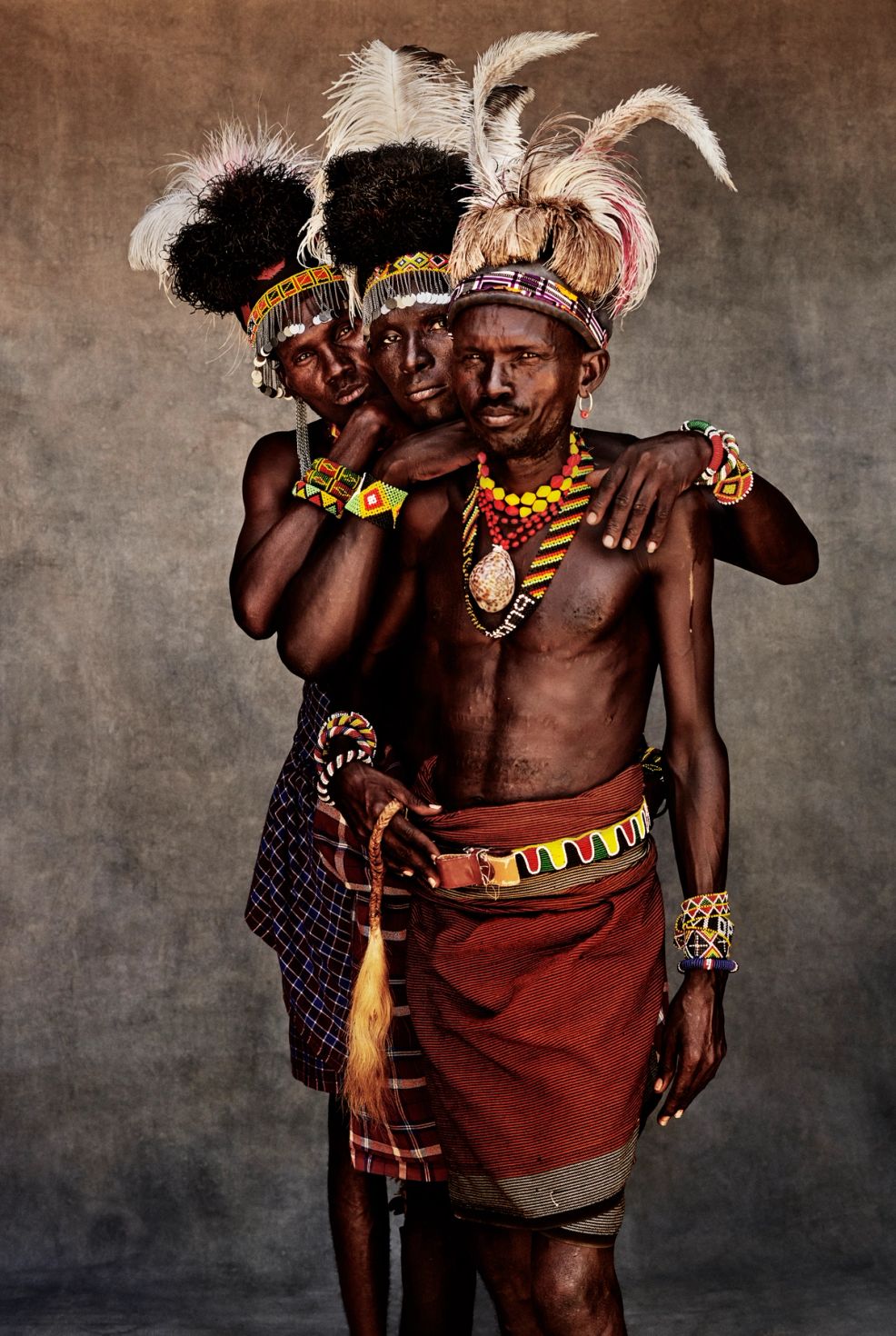

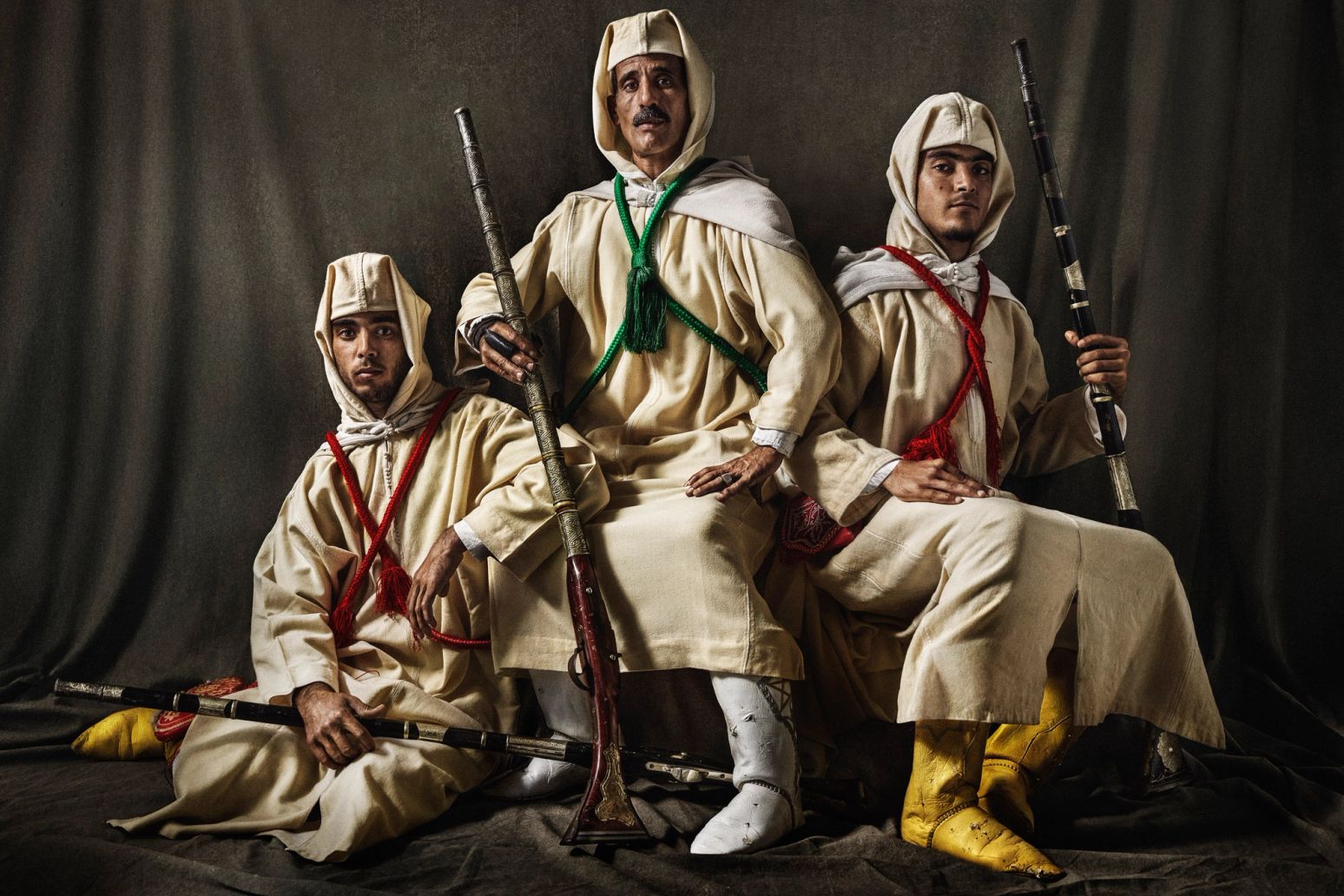

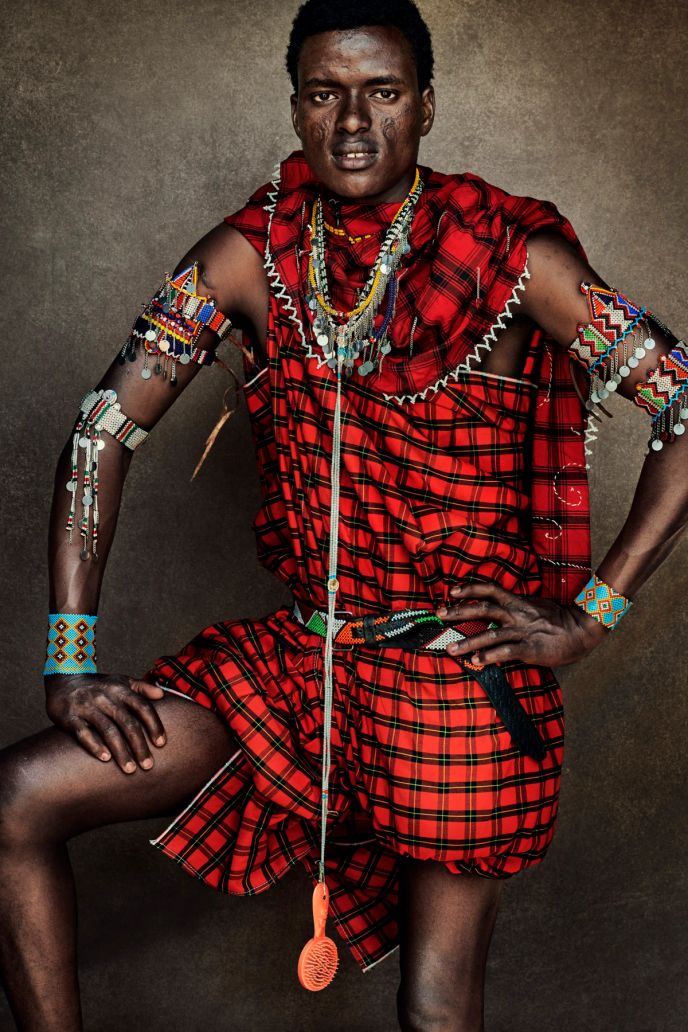




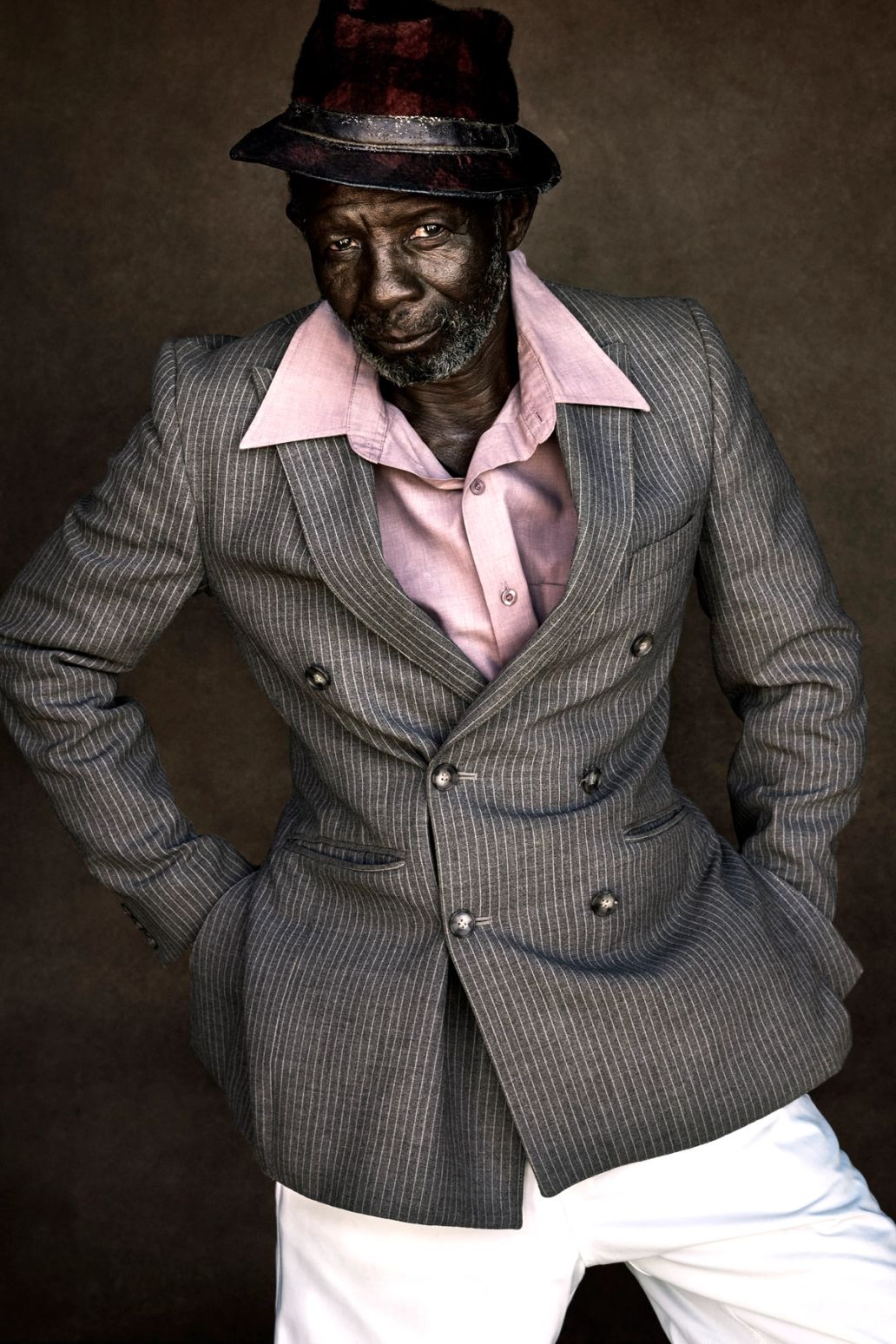

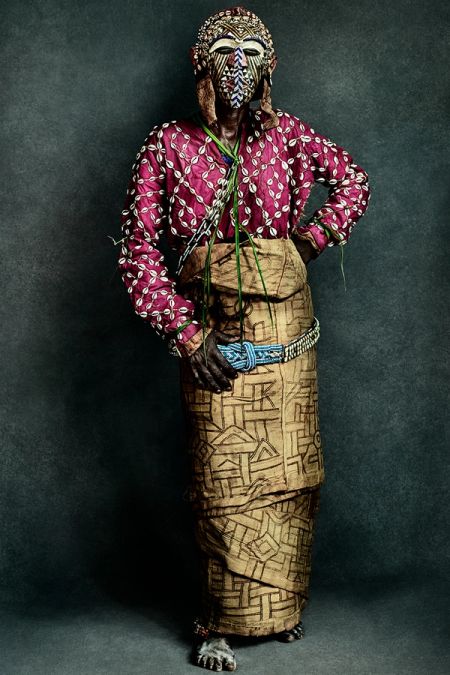

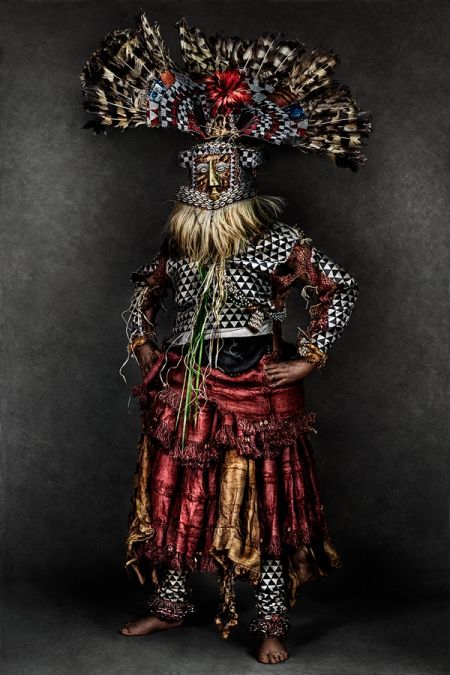

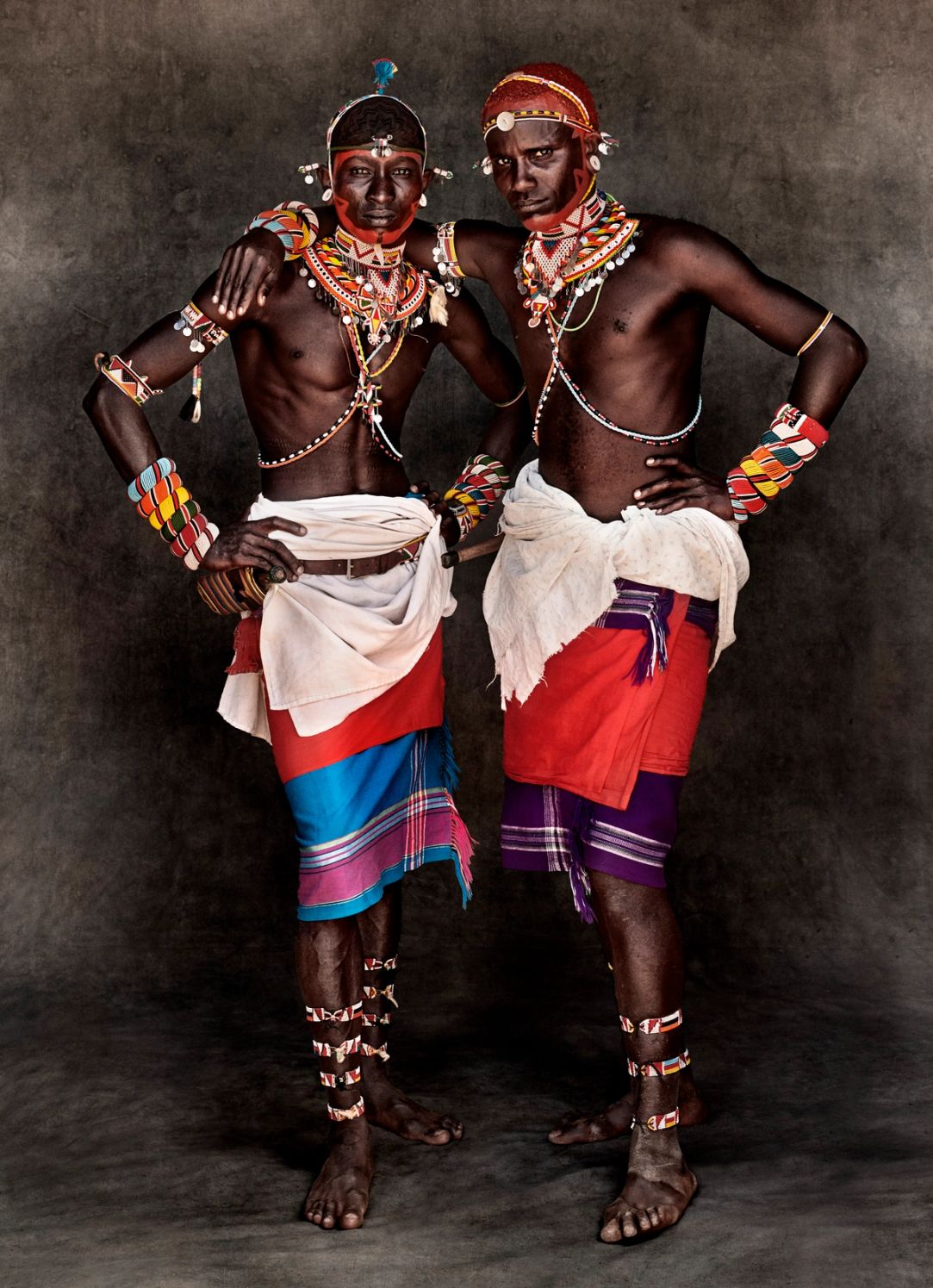

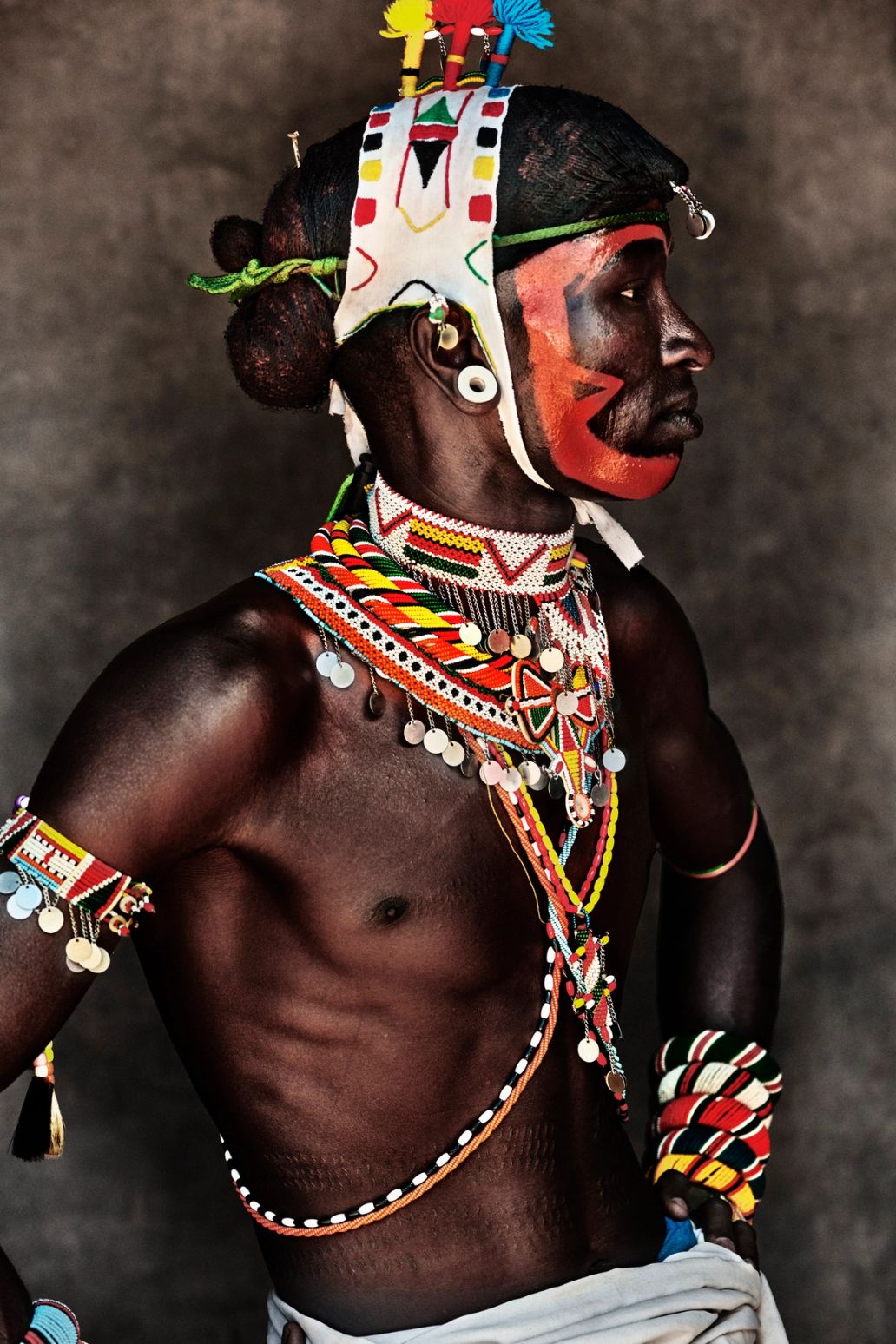
This is where the African chapters of A Beautiful World become more than a regional sequence within a global project. They reveal, perhaps more clearly than anywhere else, the underlying argument of the work itself: that culture is not a matter of surface, but of continuity. That dress is not separate from history. That adornment can hold law, pride, grief, power, resistance, initiation and belonging all at once. And that if photography is to do justice to these systems, it must begin with attention rather than transformation.
Testino has said that one of the things that most fascinates him are the similarities he encounters across continents, the way forms in Asia might echo South America or Africa, or how African visual systems may carry surprising parallels with Europe. But what is striking in the African work is how that global perspective never erases specificity. Each community remains exactly itself. The photographs do not absorb difference into a larger cosmopolitan blur. They hold it in place.
There is an urgency to this. Not the urgency of news, but the urgency of transmission. Testino has spoken openly about the fact that younger generations sometimes turn away from traditions, associating them with poverty or limitation rather than inheritance. Globalisation and migration to cities accelerate that shift. The danger is not simply that practices change. It is that they disappear before they have been fully seen. Visibility here is not exposure. It is value.
“I’m giving myself the chance to explore things people might not normally see. Through A Beautiful World, I try to make them visible again.” - Mario Testino
The institutional response has already begun to catch up. From Palazzo Bonaparte in Rome to Kunsthalle München, the work has entered spaces where it can be read not as ethnographic supplement, nor as the side-interest of a fashion photographer, but as part of a larger cultural record. At the same time, the project has increasingly been met by invitations, by countries and cultural bodies recognising that to be included is not simply to be photographed, but to be taken seriously within an accumulating global archive of human continuity. Access is no longer merely sought. It is extended.
What Testino is building across Africa is not a collage of striking images. It is something slower, more durable and more exacting than that. A record of how people choose to be seen on their own terms, within systems they have made and maintained for themselves. Not a continent as symbol. Not a continent as source material. But a continent encountered through sovereignty, precision and living memory. In these images, Africa is not a reference. It is an origin, a record, and a future still being worn.