BRIDES OF THE WORLD: A PORTRAIT OF LIVING TRADITIONS

Every culture marks marriage. Very few mark it in the same way.
Travel far enough and almost everything changes. Colours. Fabrics. Jewellery. Ceremony. Even the bride herself. What one community considers essential, another has never imagined. Yet everywhere, marriage produces some of the most carefully made and culturally significant clothing a society owns.
The language may be different. The music, food and ceremony may bear little resemblance to one another. Yet one tradition appears almost everywhere: the bride. Long before the vows are spoken, communities begin preparing her, dressing her, surrounding her with rituals that have often been carried from one generation to the next.
For decades, Mario Testino has photographed weddings, fashion and portraiture. Having long been fascinated by brides, in I Love You, published by Taschen, he brought together the weddings of friends with fashion editorials devoted to the emotion and theatre of marriage. Years later, while travelling for A Beautiful World, he found himself drawn to them again. Not because they looked alike, but because they never did.
“I have always been fascinated by brides,” Testino says. “Their attire always catches my eye. It is so thoroughly thought through, and each country has its own unique traditions.”
Brides were never the assignment. They simply kept appearing. Again and again, across continents, they became one of the clearest expressions of how cultures choose to preserve themselves.
The idea of the bride often feels universal. The reality is wonderfully different.
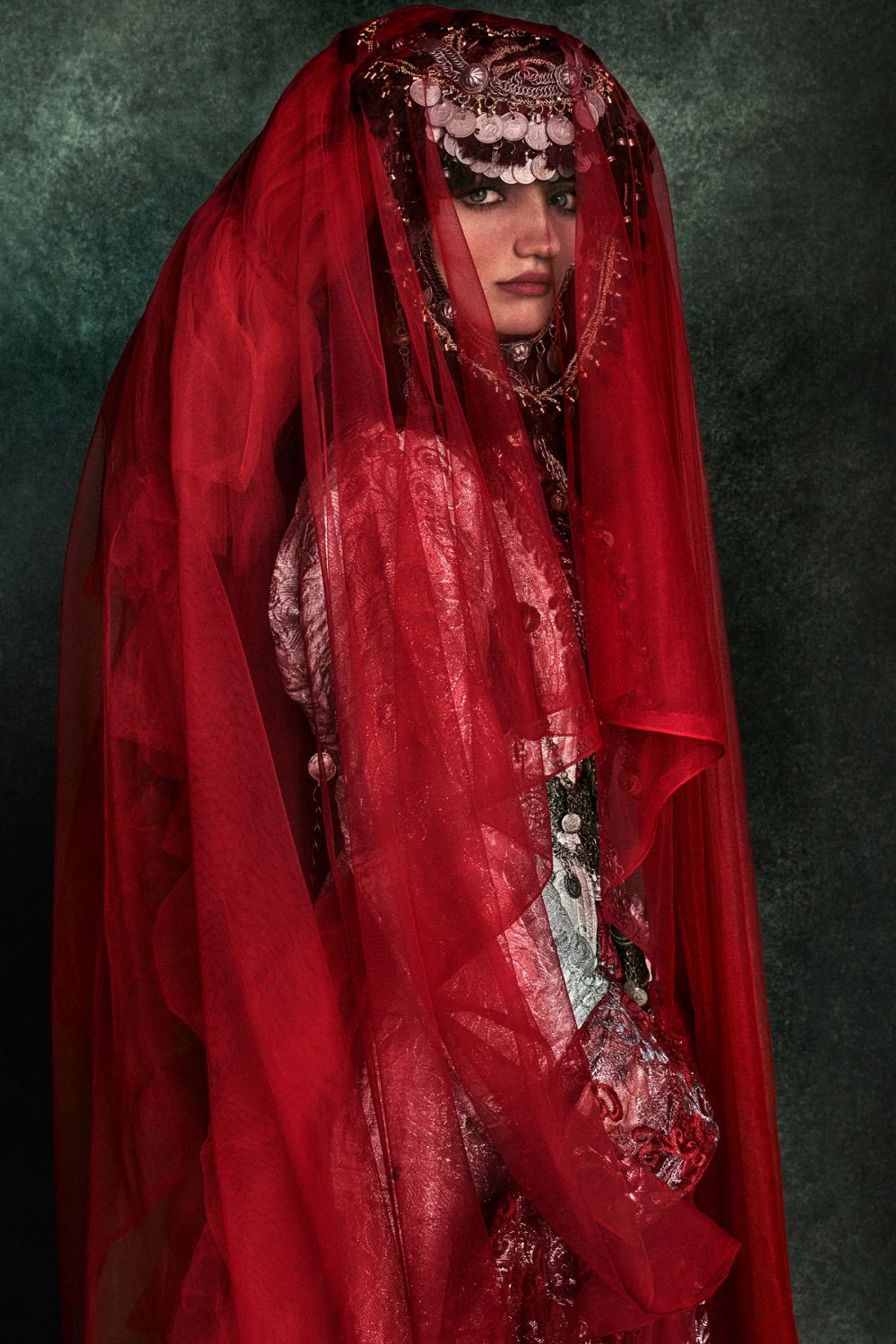
White is far from the global standard many imagine it to be. In Portugal's Minho region, brides from Viana do Castelo traditionally marry in black, adorned with extraordinary layers of inherited gold jewellery. In Iraqi Kurdistan, deep red replaces white altogether, with translucent veils and silver ornament creating a bridal tradition that is immediately recognisable and entirely its own.
Elsewhere, the bride almost disappears beneath ceremonial dress. In Uzbekistan, embroidered veils can cover the bride from head to toe, shifting attention away from the individual and towards ceremony itself. Among the Yazidi community, towering ceremonial headdresses give brides an almost otherworldly presence, preserving traditions that remain instantly recognisable.
In Germany's Sorbian community, one of Europe's oldest Slavic minorities, bridal dress includes remarkable ceremonial headdresses. Among them is a vivid green bonnet whose colour makes it instantly recognisable.

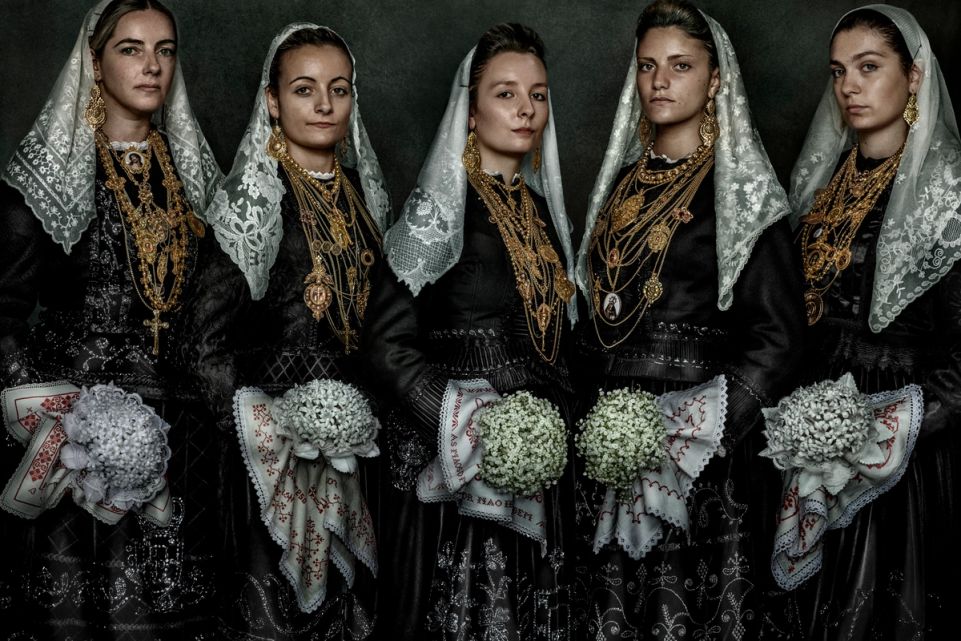
Viana Brides, Portugal Photographed by Mario Testino for A Beautiful World

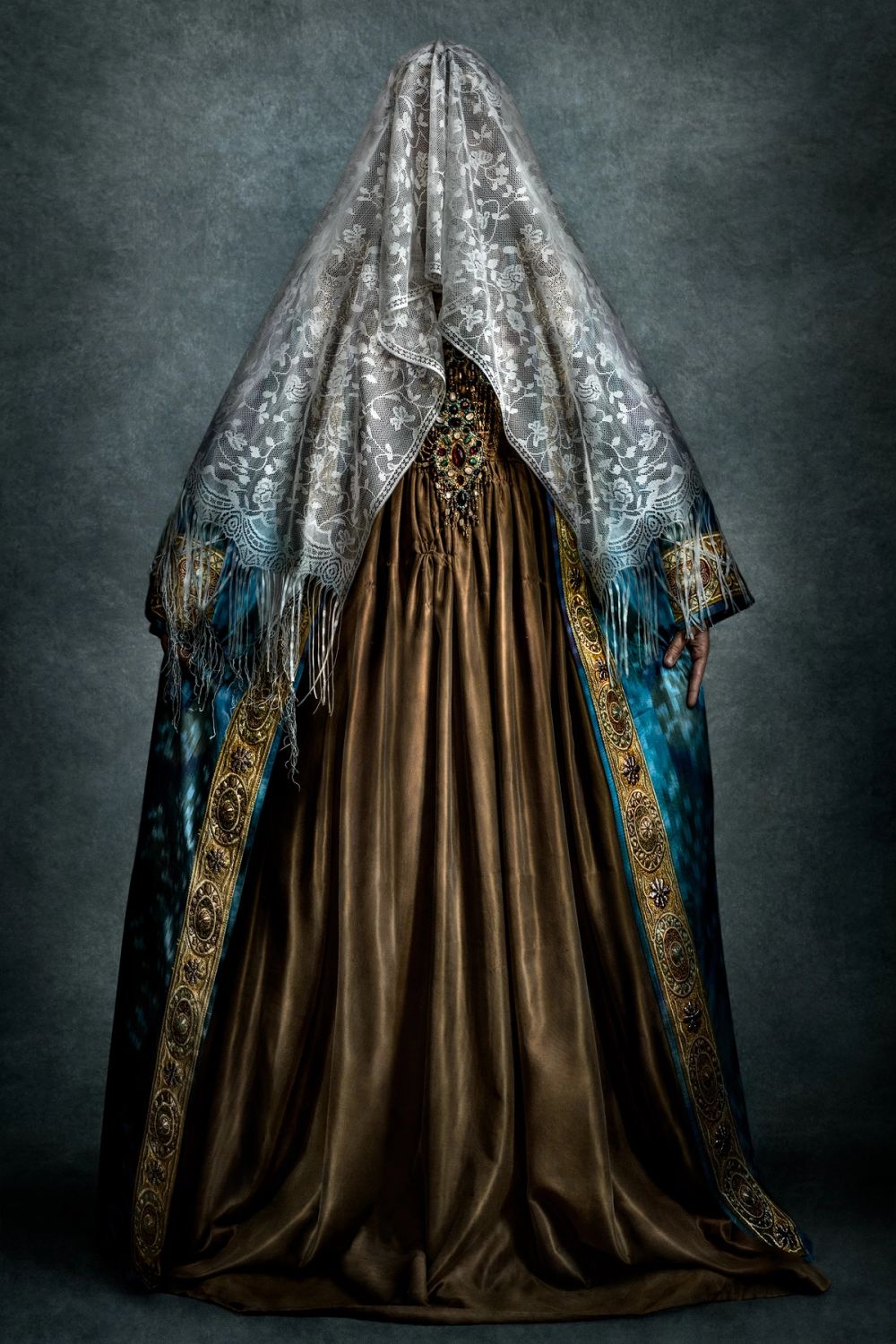
A Bukharan Bride, Uzbekistan Photographed by Mario Testino for A Beautiful World

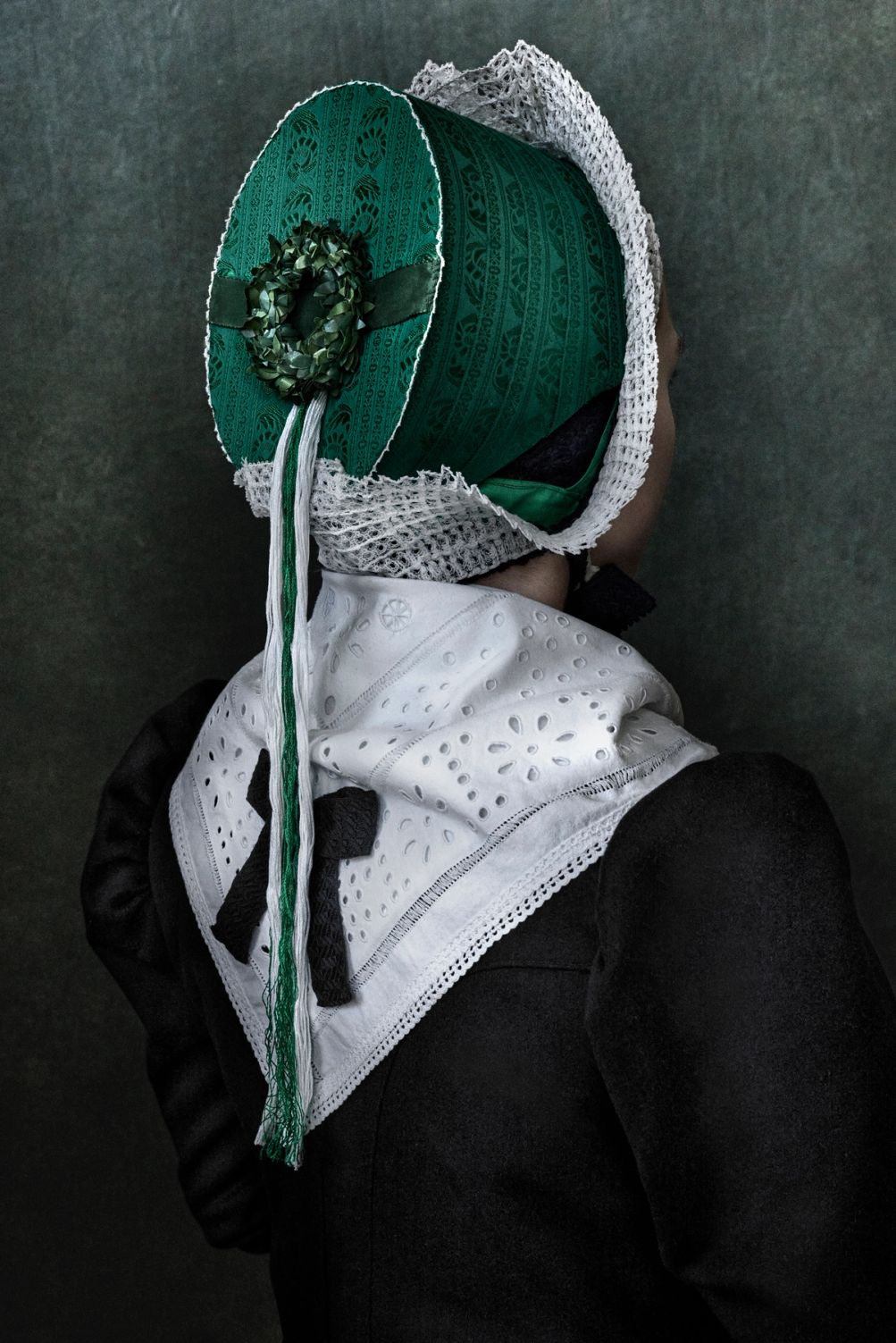
A Sorbian Virgin Bride, Germany Photographed by Mario Testino for A Beautiful World

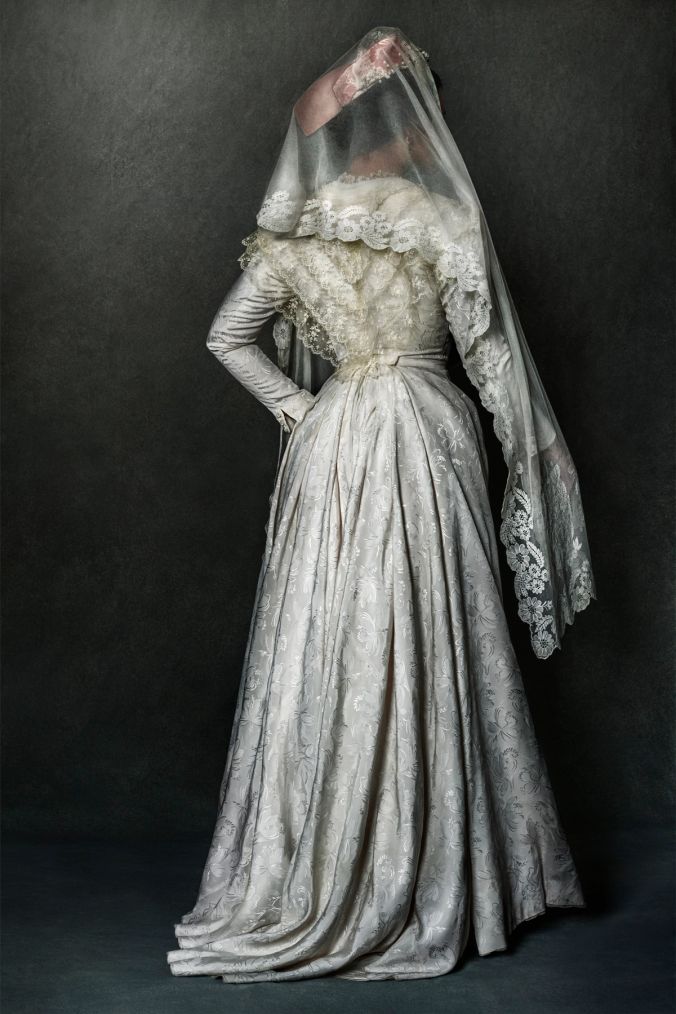
Reine d'Arles, France Photographed by Mario Testino for A Beautiful World

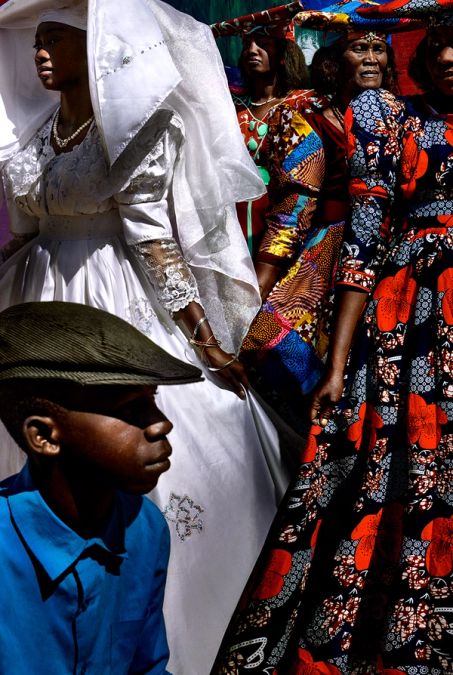
A Herero Bride, Namibia. Photographed by Mario Testino for A Beautiful World

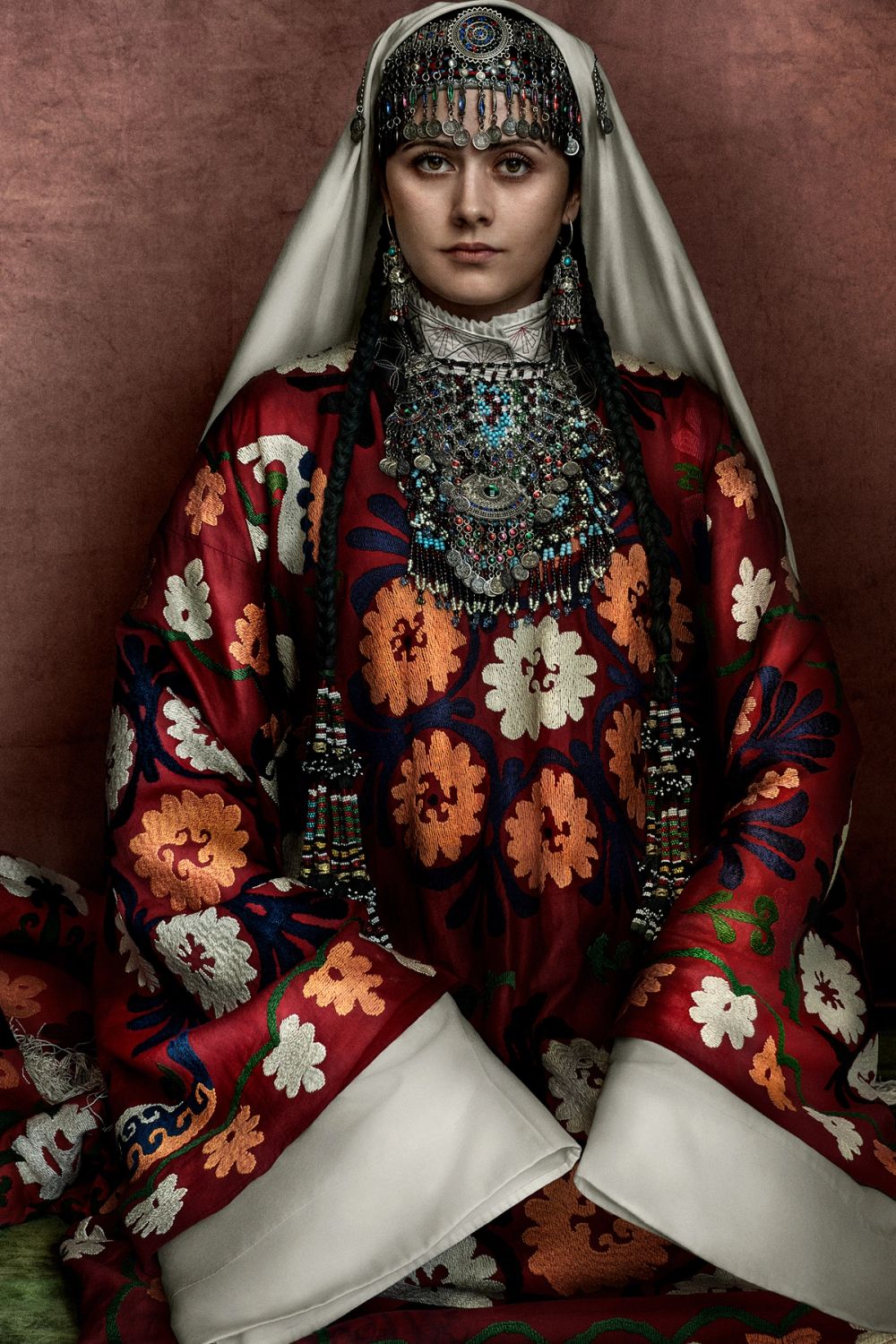
A Woman of Surkhandarya, Uzbekistan Photographed by Mario Testino for A Beautiful World

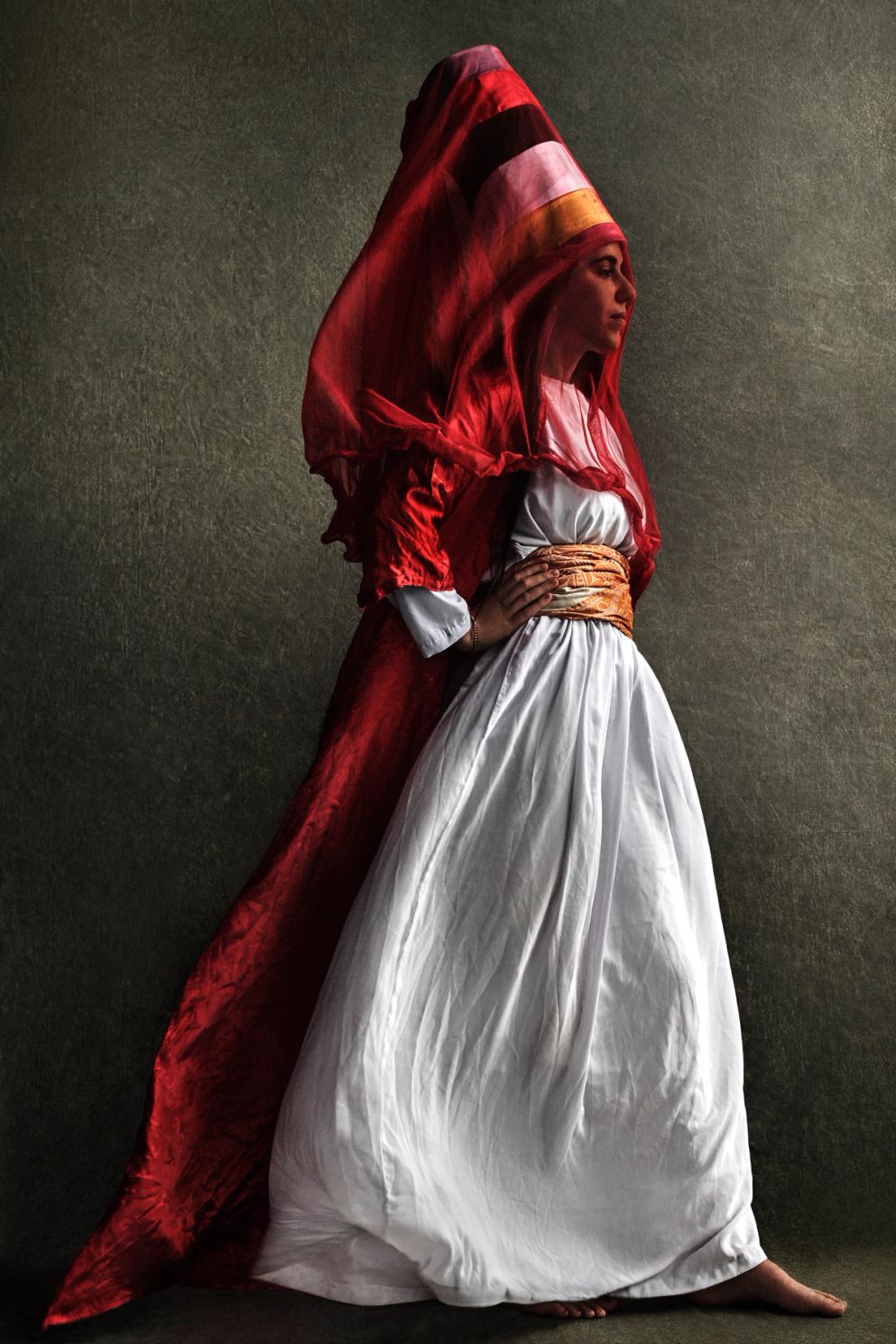
A Yazidi Woman, Kurdistan Region of Iraq Photographed by Mario Testino for A Beautiful World

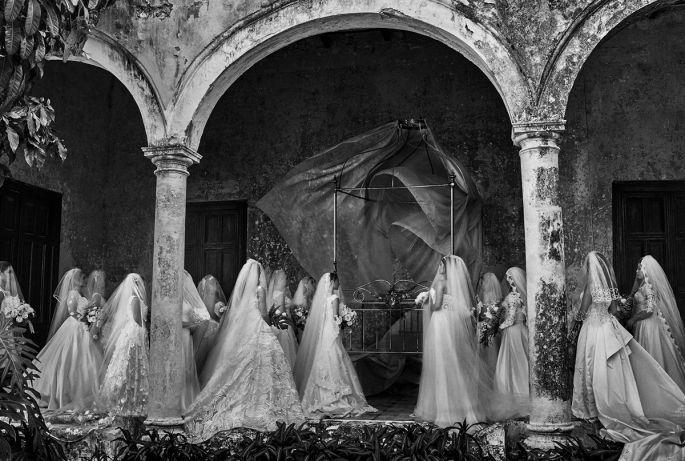
Brides, Yucatán, Mexico Photographed by Mario Testino for A Beautiful World
Sometimes it is not one bride but many that leave the strongest impression. In Yucatán, Mexico, dozens of women dressed for marriage gather in a single courtyard, revealing that weddings are rarely private occasions. They belong not only to the couple, but to families, neighbours and entire communities.
Elsewhere, the traditions continue to evolve. In Namibia, Herero brides reinterpret European Victorian silhouettes through their own cultural language, creating wedding dress that is unmistakably local while carrying echoes of another history. It is a reminder that tradition is rarely static. It adapts, absorbs and endures.
With every journey, one idea became impossible to ignore. Marriage may be nearly universal, but no culture has agreed on what a bride should look like.
Some choose black. Others red. Some conceal the face, while others frame it with lace, silver, flowers or gold. Every tradition arrives at its own answer, shaped by history, geography, faith and family. What fascinated Testino was never simply the clothes themselves. Dress became a way of understanding people. Brides revealed something far older than fashion: the survival of cultural memory.
Throughout A Beautiful World, clothing is never treated as costume. It carries memory. It reveals craftsmanship, belonging and continuity. Bridal dress may be worn for a single day, yet it often preserves techniques, textiles and forms that have survived for generations. In many communities, these traditions remain part of everyday life, passed from one generation to the next rather than preserved behind museum glass.
That is what gives these photographs their lasting significance. They do not record fashion trends. They record living traditions.

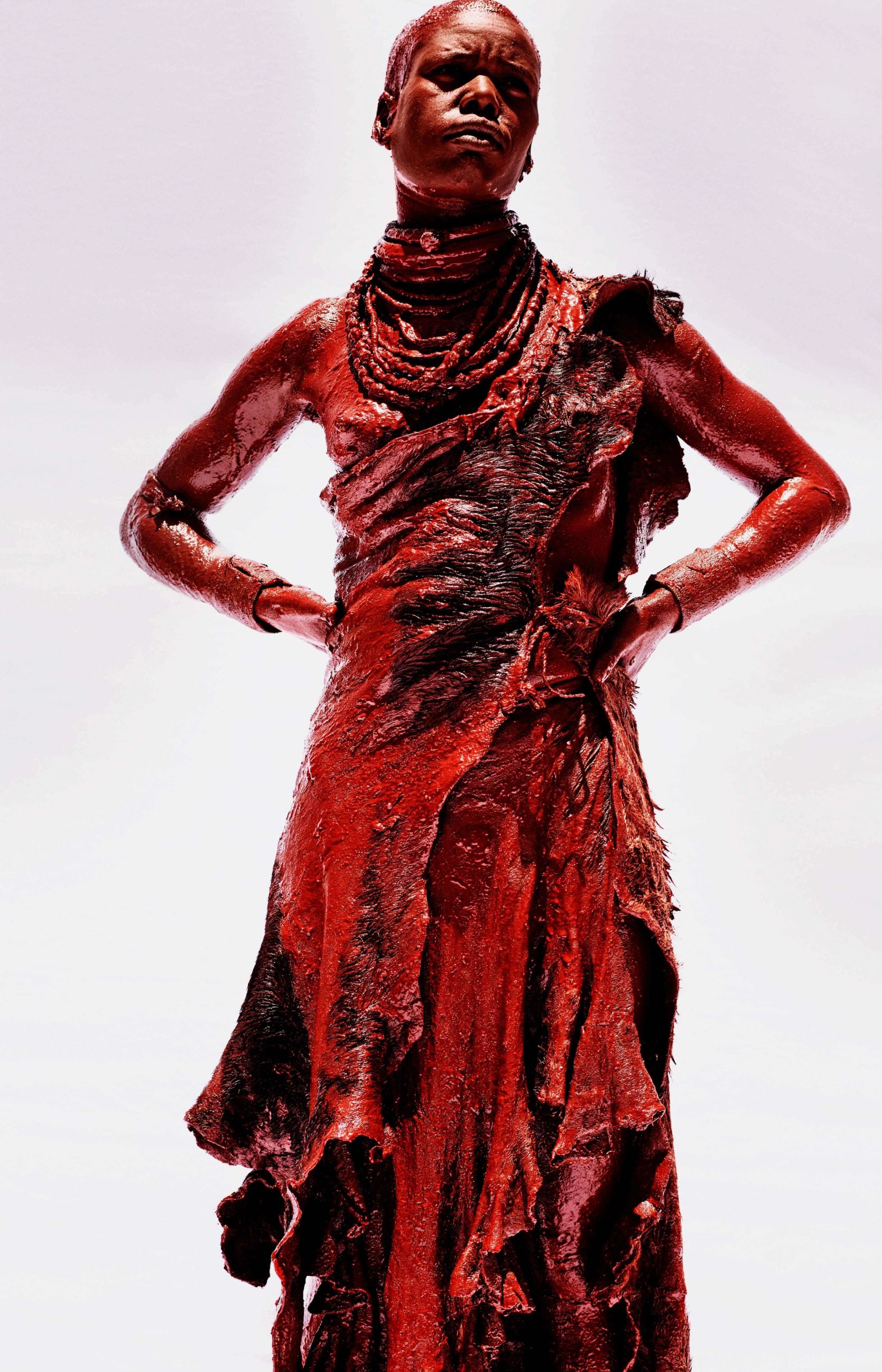
A Hamar Bride, Eastern Omo Valley, Ethiopia Photographed by Mario Testino for A Beautiful World
Not every transformation depends on clothing alone. Among the Hamar people of southern Ethiopia, brides traditionally cover themselves in a mixture of butter and ochre before the wedding. The process continues over days, changing not only appearance but daily life itself until the ceremony finally arrives.
As the world becomes increasingly connected, many local customs face growing pressure from global fashion, social media and changing expectations. Yet everywhere Testino travelled, he found communities continuing to celebrate marriage in ways that remained unmistakably their own.
A Beautiful World is often described as a celebration of global dress. It is also a record of living cultural knowledge, carried not by museums or archives, but by the people who continue to wear it. Brides became one of the clearest ways to understand that story.
Across continents, languages and religions, every wedding asks the same question: how does a community honour this moment?
The answers could not be more different. That difference is precisely what makes them beautiful.