MET GALA 2026 THEME: COSTUME ART, AND HOW MARIO TESTINO’S A BEAUTIFUL WORLD EXPANDS THE CONVERSATION

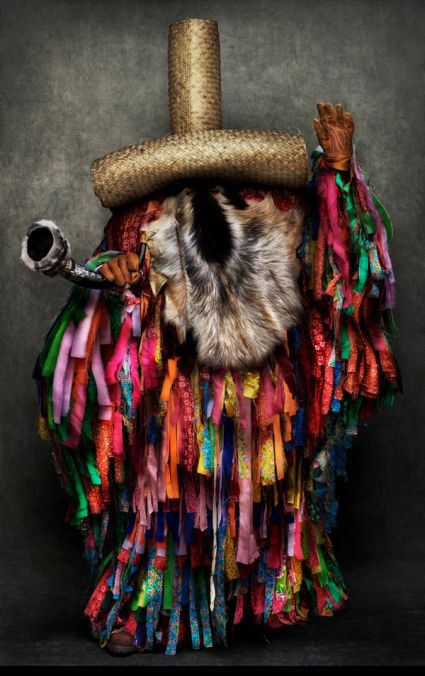
Every first Monday in May, all eyes turn to the steps of the Metropolitan Museum of Art. The Met Gala has become fashion’s most visible stage, where what people wear is as much about storytelling as it is about style.
For 2026, the Costume Institute makes that idea explicit. The Met Gala theme, Costume Art, frames clothing as a form of artistic expression, something intentional, constructed, and deeply considered. It is a perspective that feels especially relevant now, as fashion continues to move fluidly between craft, culture, and identity.
The Gala itself marks the opening of an exhibition that remains on view for months, where the idea of costume is explored in depth beyond the immediacy of the red carpet.
At the same time, the idea of costume as art is not limited to a single night in New York. It extends beyond it. It exists across cultures and histories, shaping how people present themselves and how they are understood. This broader perspective sits at the heart of Mario Testino’s long-term project, A Beautiful World.
The Met brings this idea into focus for a moment. Elsewhere, it continues across generations, shaped by repetition, memory, and use.
In the lens of Mario Testino, costume is not a disguise; it makes identity legible. From the street costumes of the Democratic Republic of the Congo to the ceremonial silhouettes of the Swiss Alps, his work reveals that what is being described as “Costume Art” in 2026 is part of a much older, global language. In that sense, it sits within the Met’s theme, extending it beyond a single moment into lived practice.

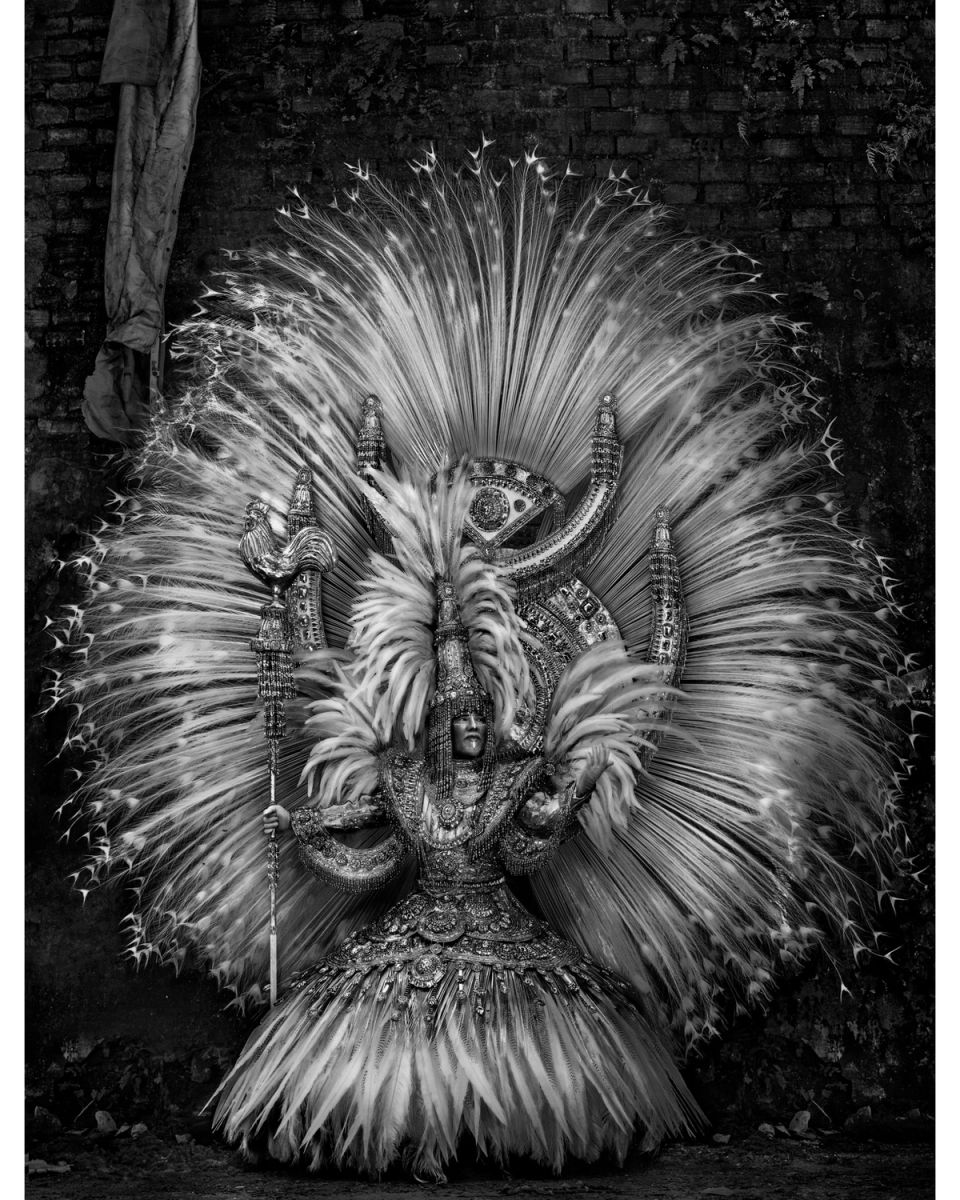
Carnaval reveller in full costume, Rio de Janeiro, Brazil, 2020. Photograph by Mario Testino.

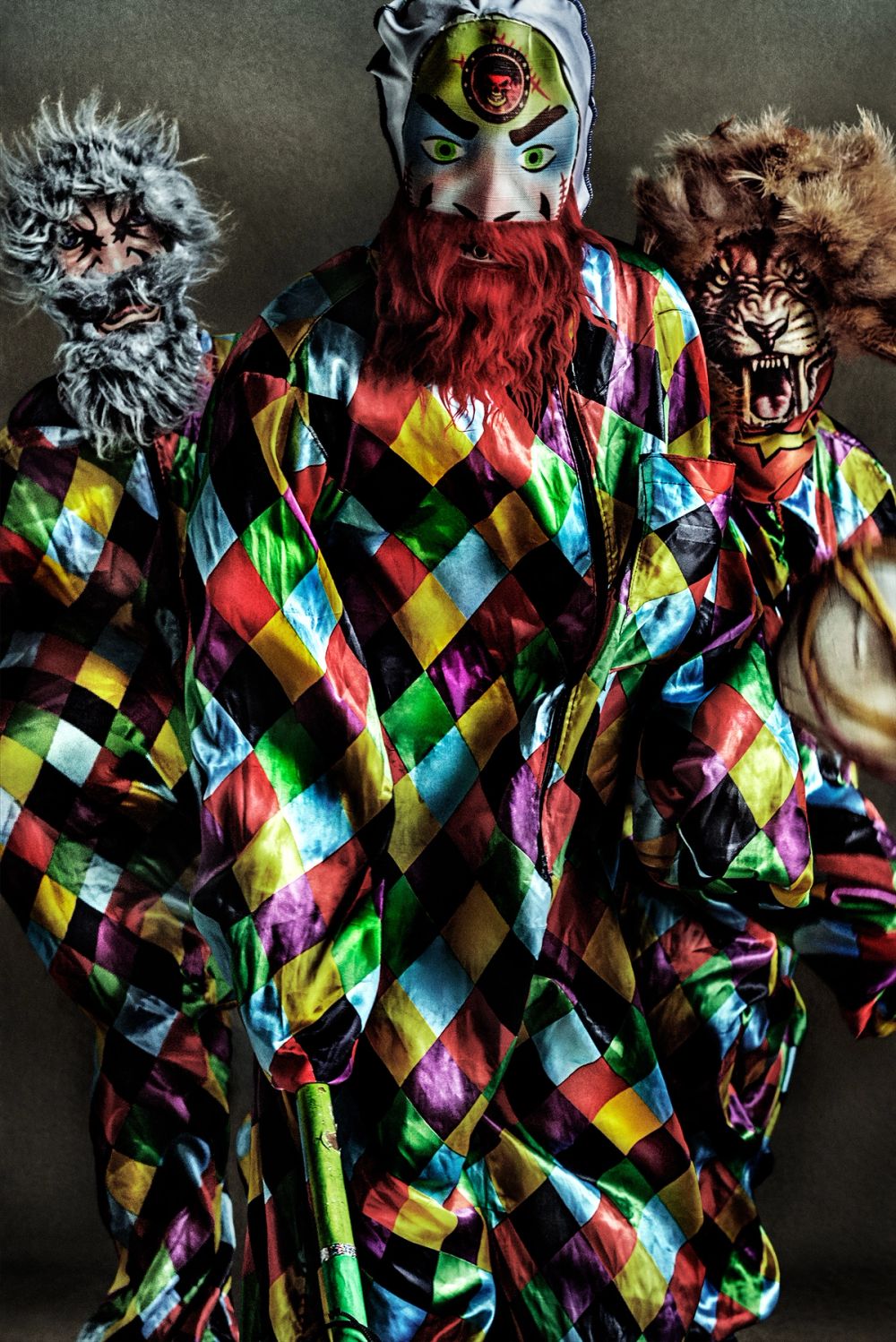
Bate Bola reveller in full costume, Rio de Janeiro, Brazil, 2020. Photograph by Mario Testino.

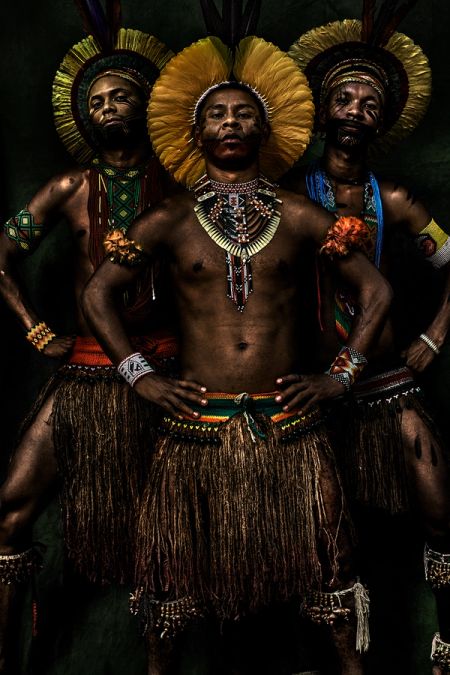
Pataxó Indigenous community, Salvador, Brazil, 2022. Photograph by Mario Testino.

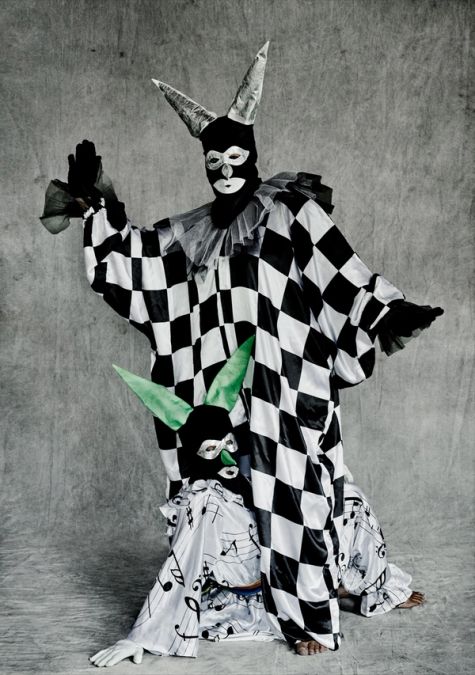
Carnaval reveller, Maragogipe, Brazil, 2020. Photograph by Mario Testino.

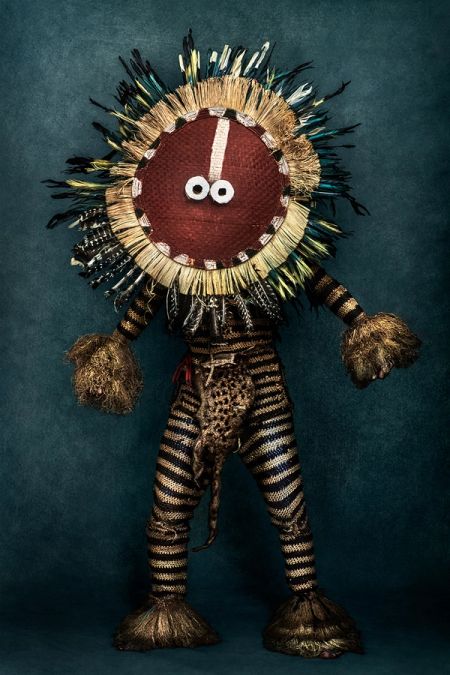
Ba-Pende masquerade, Democratic Republic of the Congo, 2023. Photograph by Mario Testino.

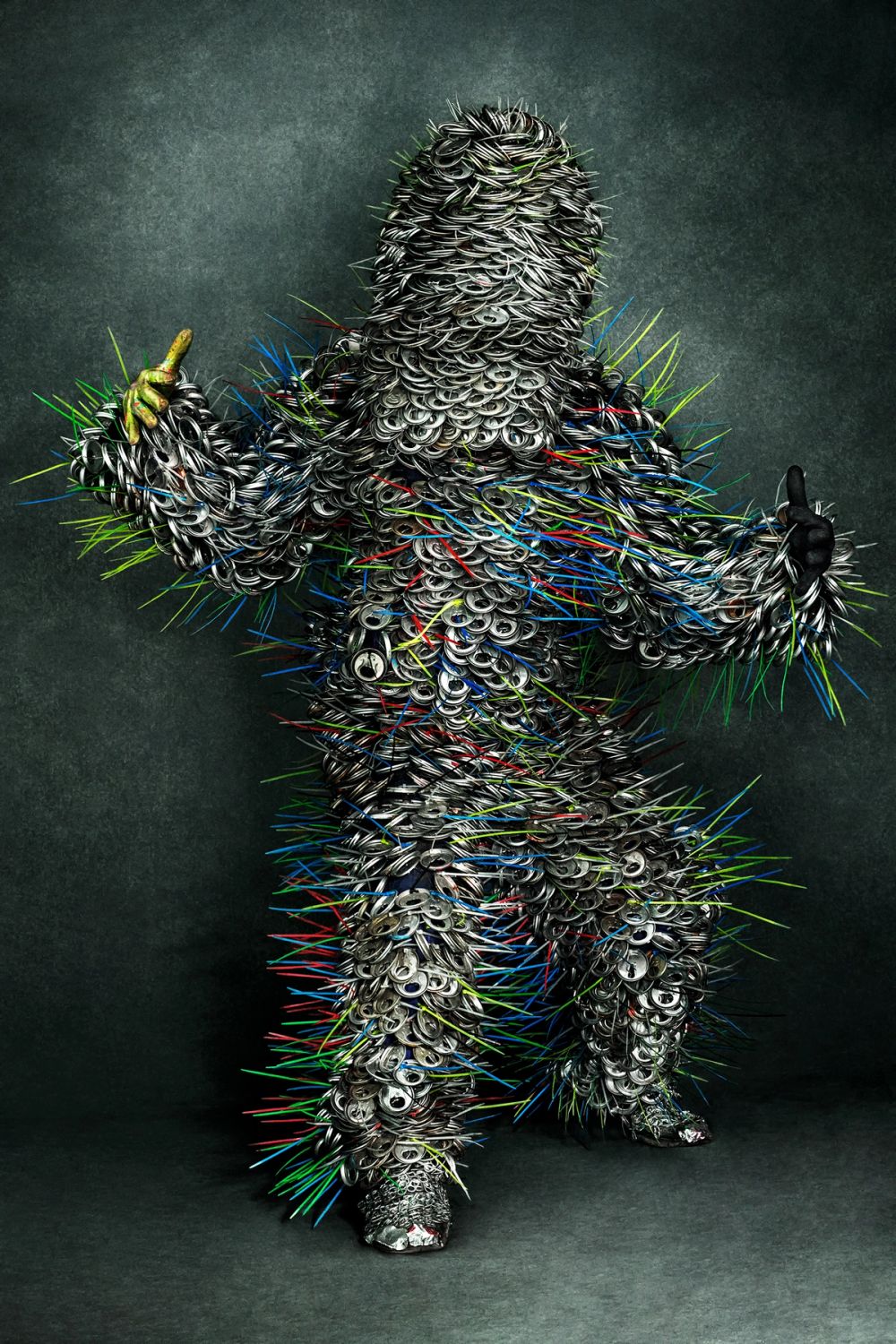
Street costume by Eddy Ekete Mombesa, Kinshasa, Democratic Republic of the Congo, 2023. Photograph by Mario Testino.

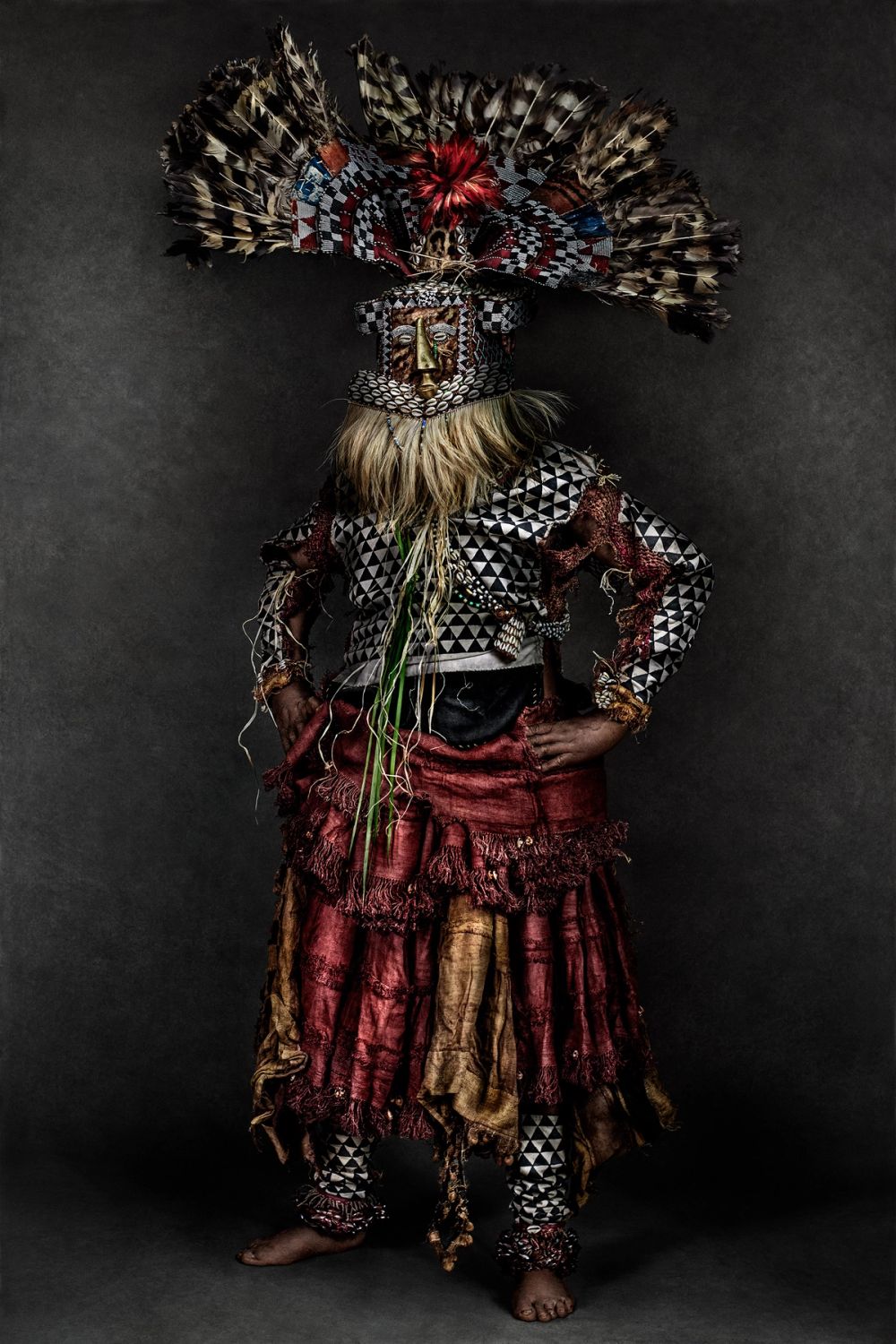
Kuba ceremonial costume, Democratic Republic of the Congo, 2023. Photograph by Mario Testino.

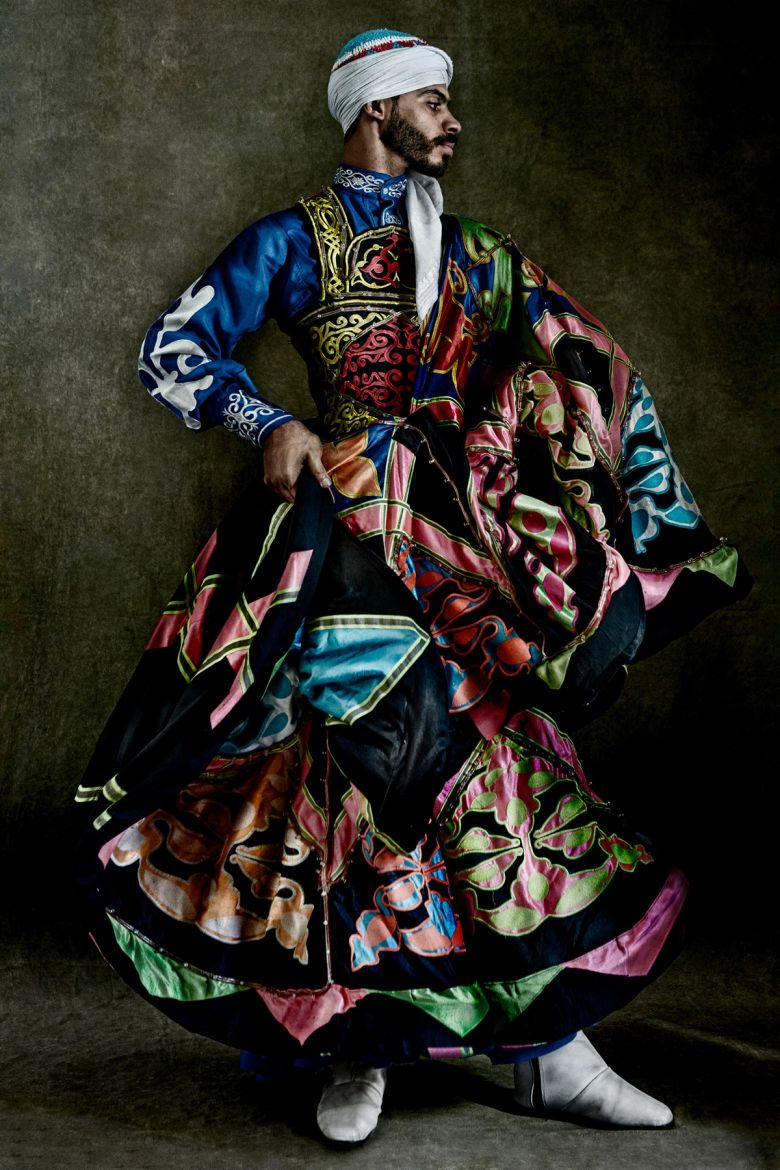
Tanoura dervish, Cairo, Egypt, 2024. Photograph by Mario Testino.

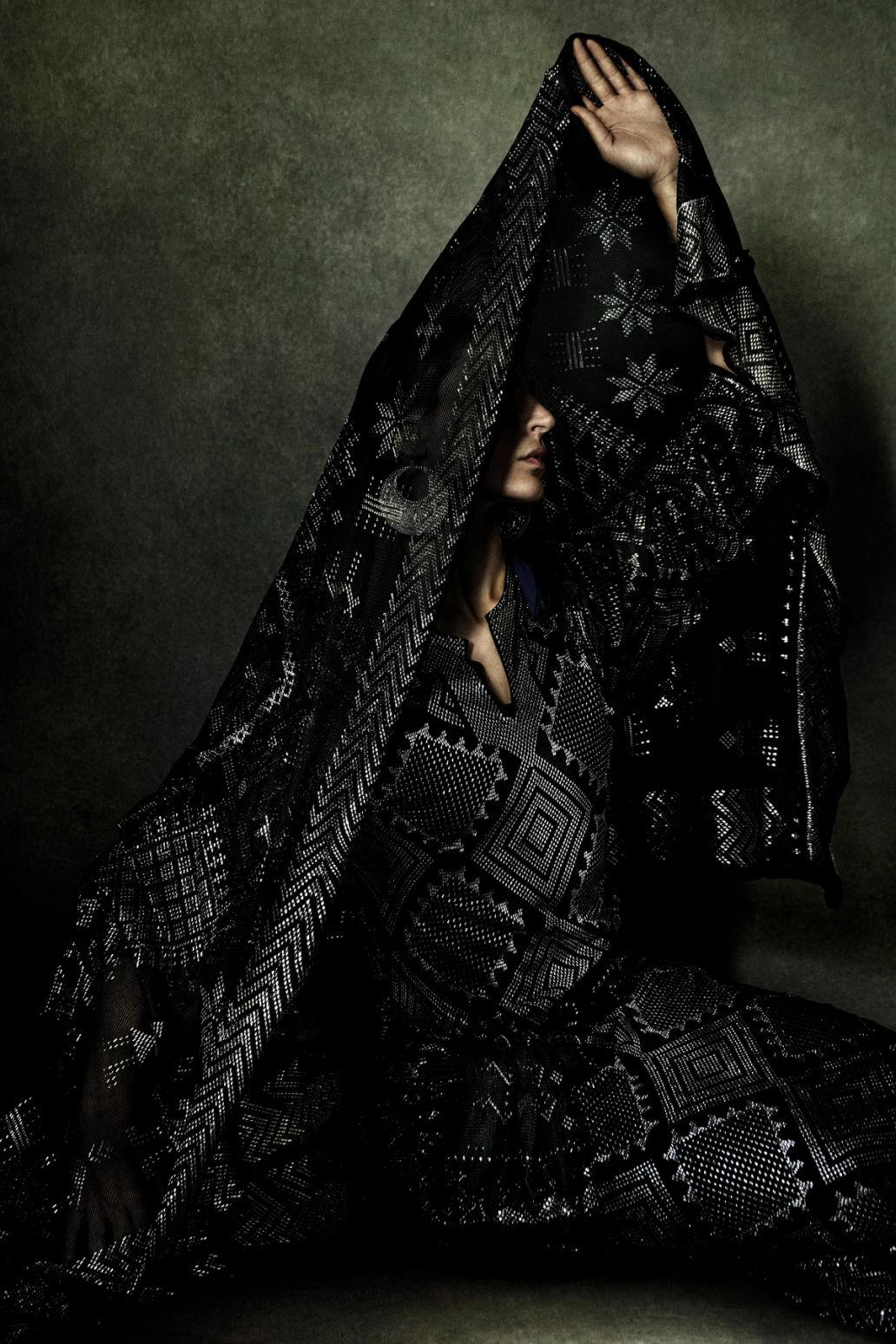

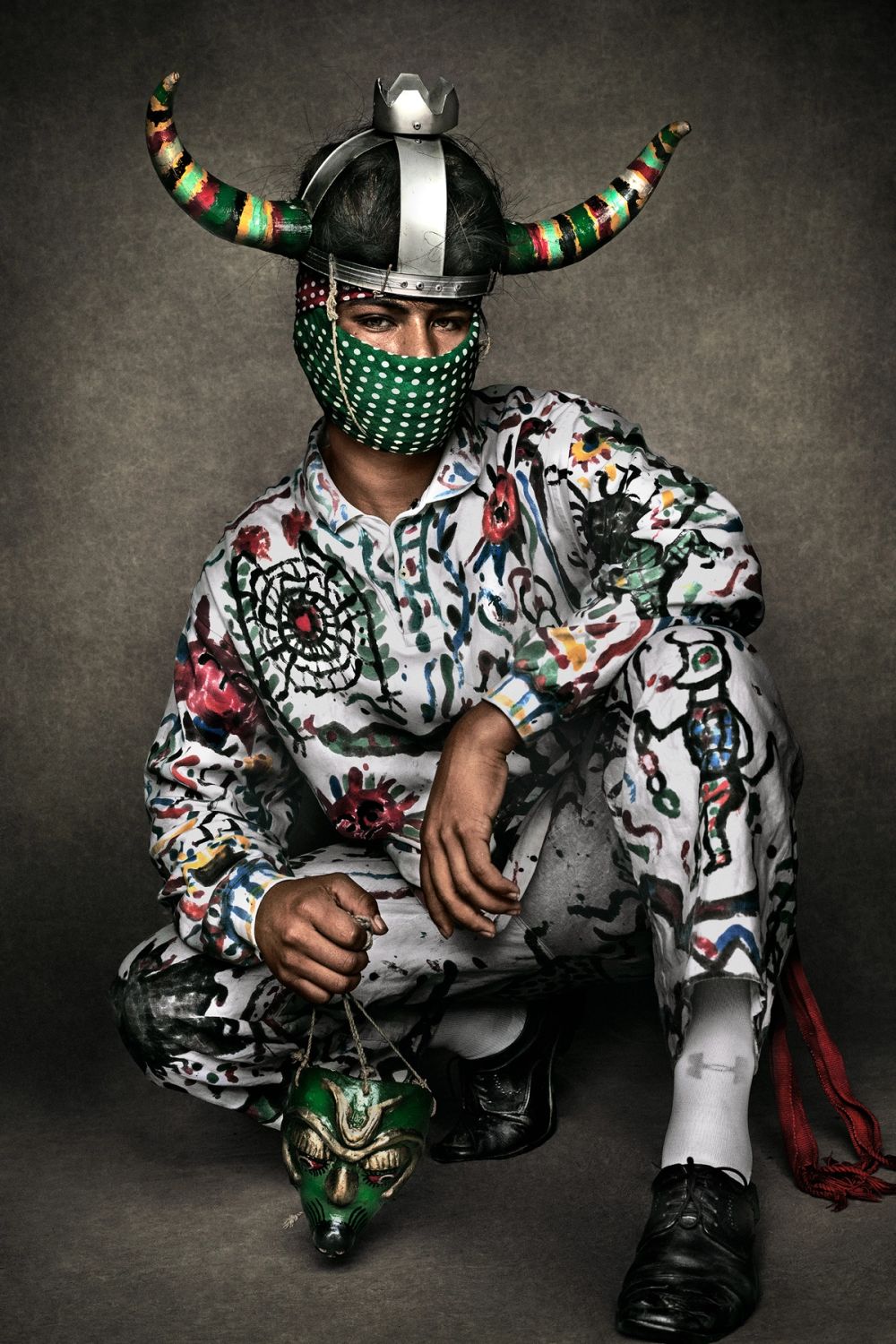
El Diablo Blanco, Rabinal, Guatemala, 2023. Photograph by Mario Testino.

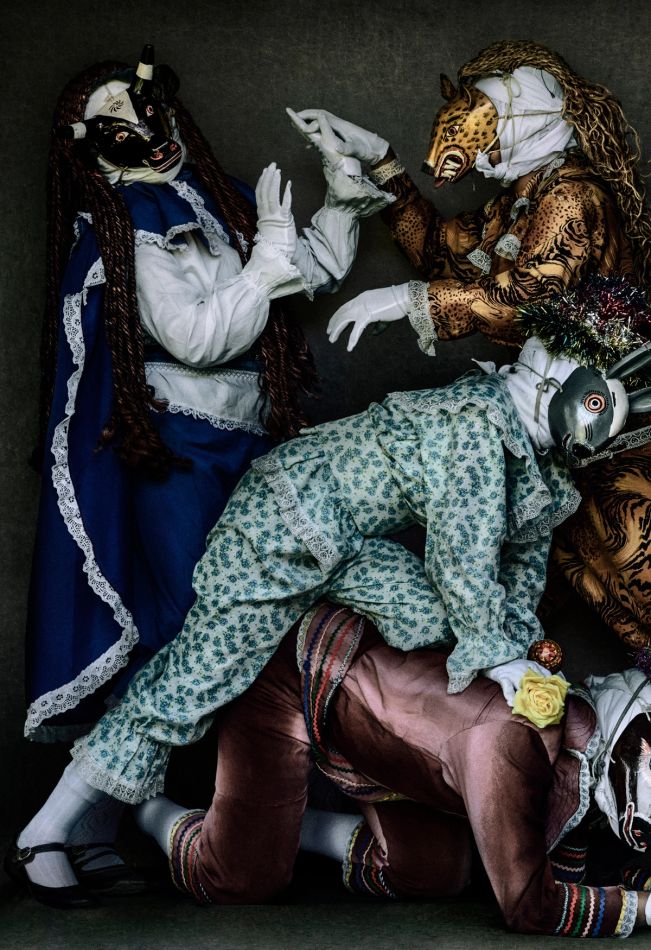
Animalitos de Rabinal, Guatemala, 2023. Photograph by Mario Testino.

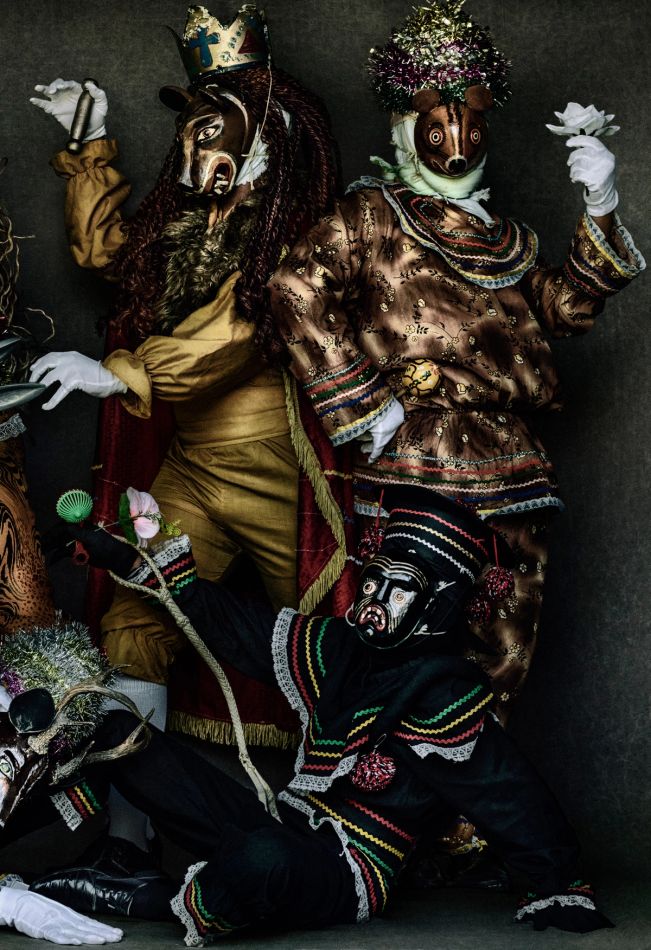
Animalitos de Rabinal, Guatemala, 2023. Photograph by Mario Testino.

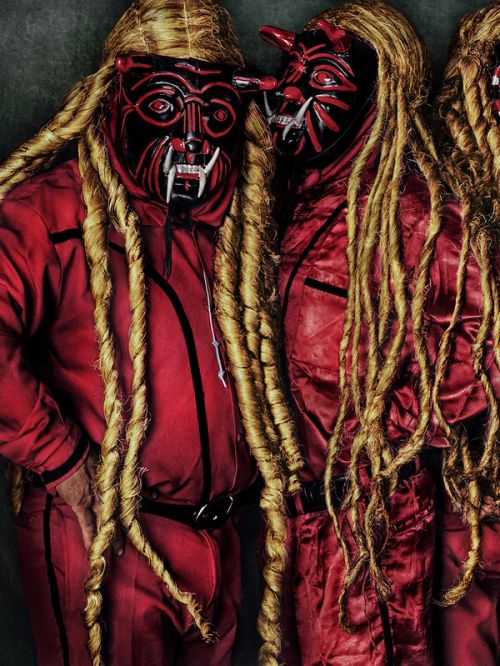
Dance of the 24 Devils, Guatemala, 2023. Photograph by Mario Testino.

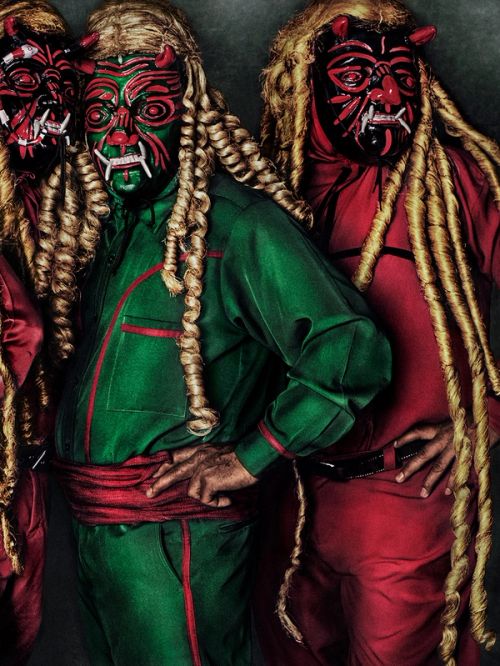
Dance of the 24 Devils, Guatemala, 2023. Photograph by Mario Testino.

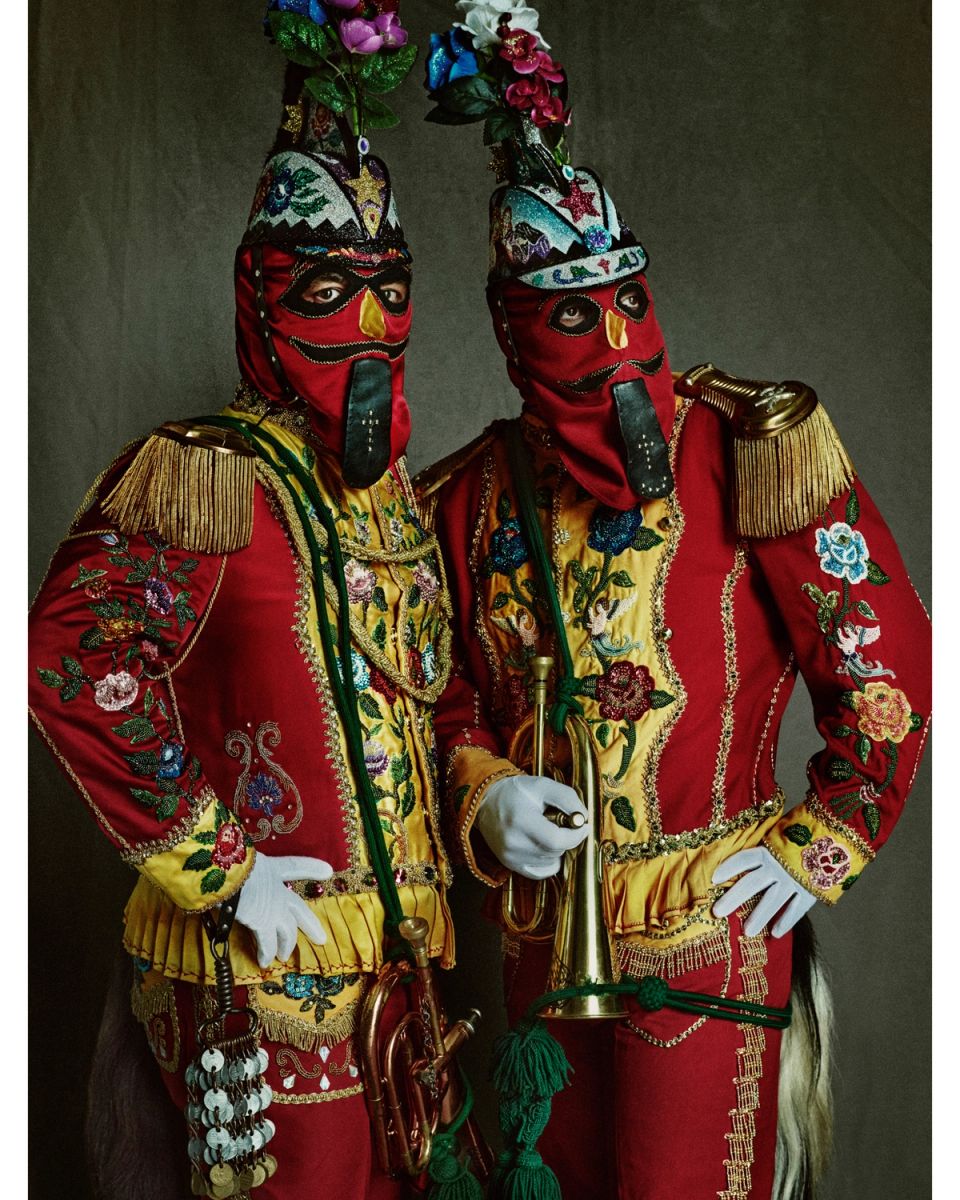
Fanfara dei Giudei costume, San Fratello, Sicily, Italy, photographed by Mario Testino, 2020

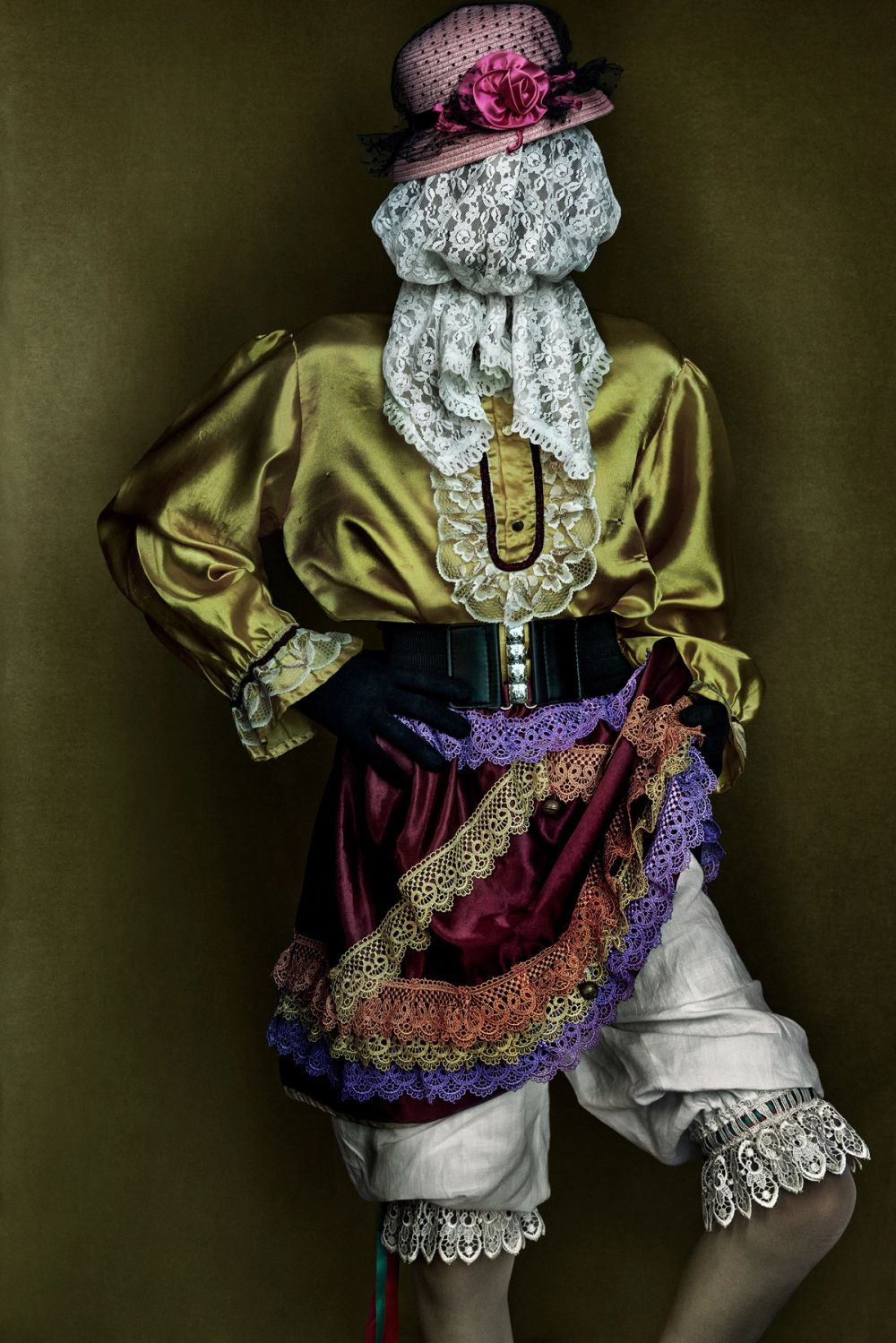
Reveller in Ballo dei Pastori costume, Sicily, Italy, photographed by Mario Testino, 2020

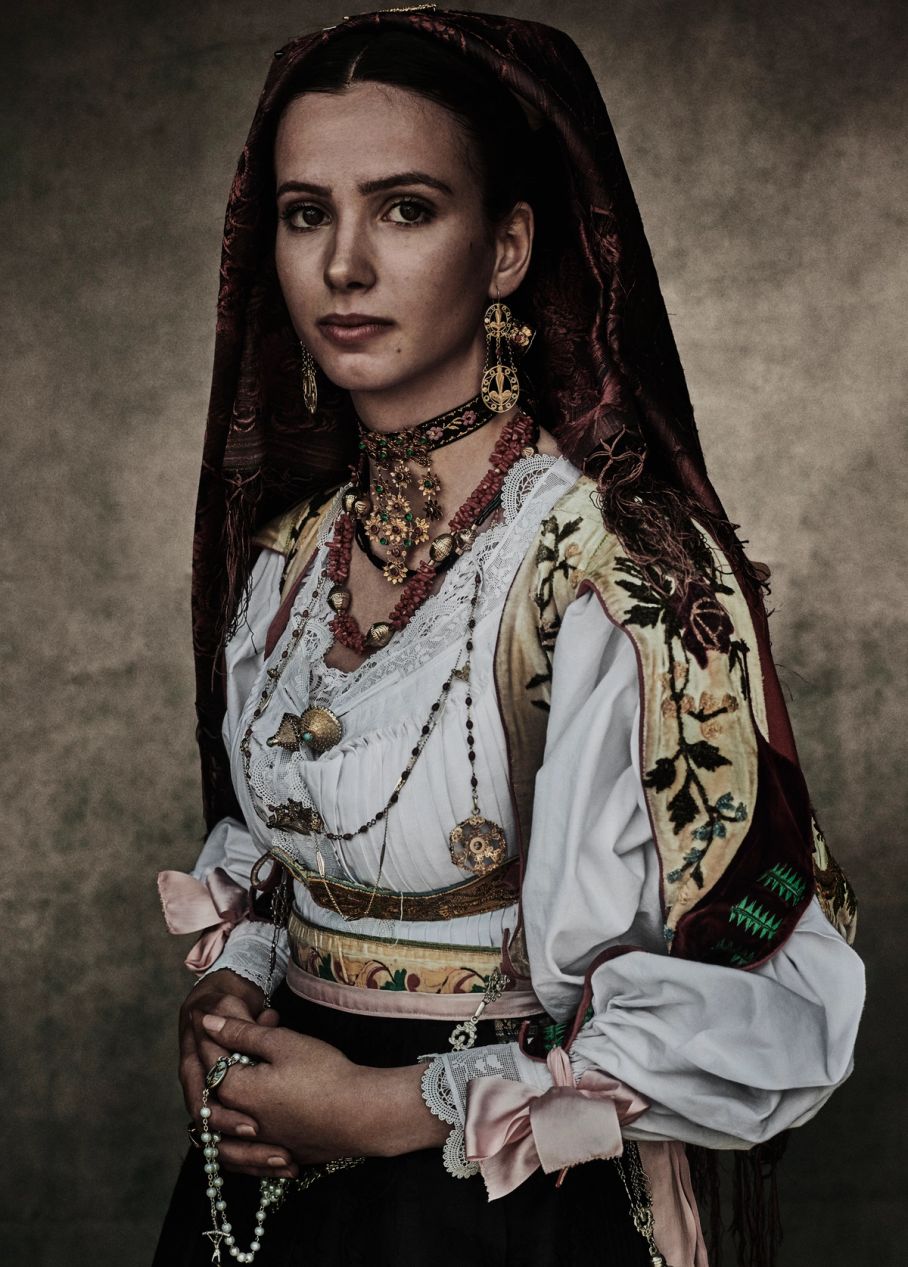
Woman in Festa di Sant’Efisio ceremonial dress, Sardinia, Italy, photographed by Mario Testino, 2019
In Brazil, costume is a force of gravity. During Carnaval in Rio de Janeiro and Maragogipe, the Bate Bola figures and masked revellers do not merely wear their clothes; they inhabit them as a form of collective rhythm. These are not decorative choices made for an audience; they belong to a shared history. In Salvador de Bahia, the Orixás carry a spiritual weight that predates the idea of a red carpet. Here, dress becomes a bridge between the physical and the divine.
The logic of reclamation defines the street costumes of Kinshasa, where artists like Eddy Ekete Mombesa transform discarded aluminium cans into armour. This is “Costume Art” as an act of resistance and resourcefulness, a contemporary form built from survival. Nearby, the Ba-Pende masquerades and the Kuba kingdom’s ceremonial dress operate in a different register. These masks and garments are not spectacle. They carry the memory of the systems that formed them.
In Egypt, the Tanoura dervish turns fabric into geometry, where costume is inseparable from the motion of prayer. In the highlands of Guatemala, the “White Devil” of Rabinal and the dancers of the “24 Devils” hold a layered memory of colonial intersection and religious fervour. These costumes do not simplify history; they hold it.
Across the globe, forms shift, but the function remains exact. In Japan, the Noh theatre performer finds power in restraint. In Kenya, the Samburu use adornment to communicate status and transition. In Mexico, the Luchador uses the mask to exist between myth and reality. Whether it is the Pearly Prides of London or the Jamugueras of Spain, the act is constant: to dress is to declare.
The 2026 Met Gala theme brings this instinct into sharp focus. On the red carpet, costume is concentrated into a single, highly visible moment, shaped through collaboration, precision, and intent. It is a stage where identity is constructed and shared at speed. Beyond that moment, the same instinct continues in different forms, shaped by tradition, repetition, and time.

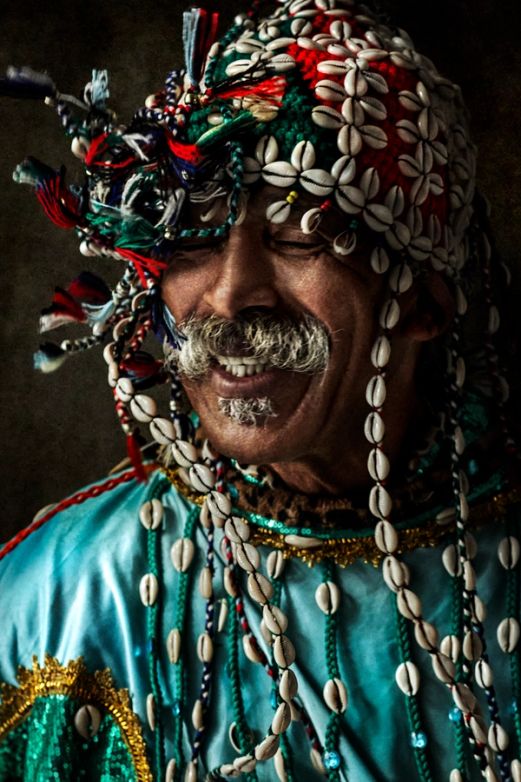
Maâlem Omar Hayat, Morocco, 2025. Photograph by Mario Testino.

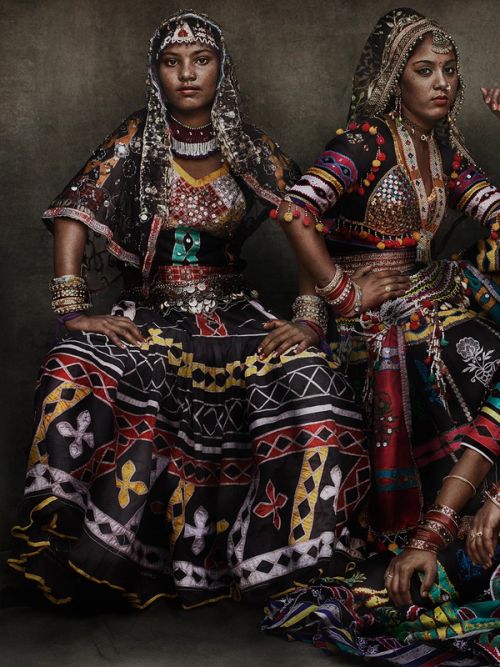
Kalbelia women, Rajasthan, India, 2018. Photograph by Mario Testino.

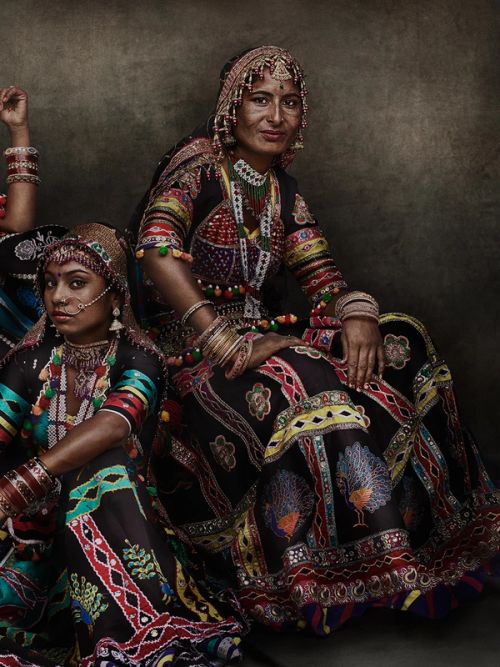
Kalbelia women, Rajasthan, India, 2018. Photograph by Mario Testino.

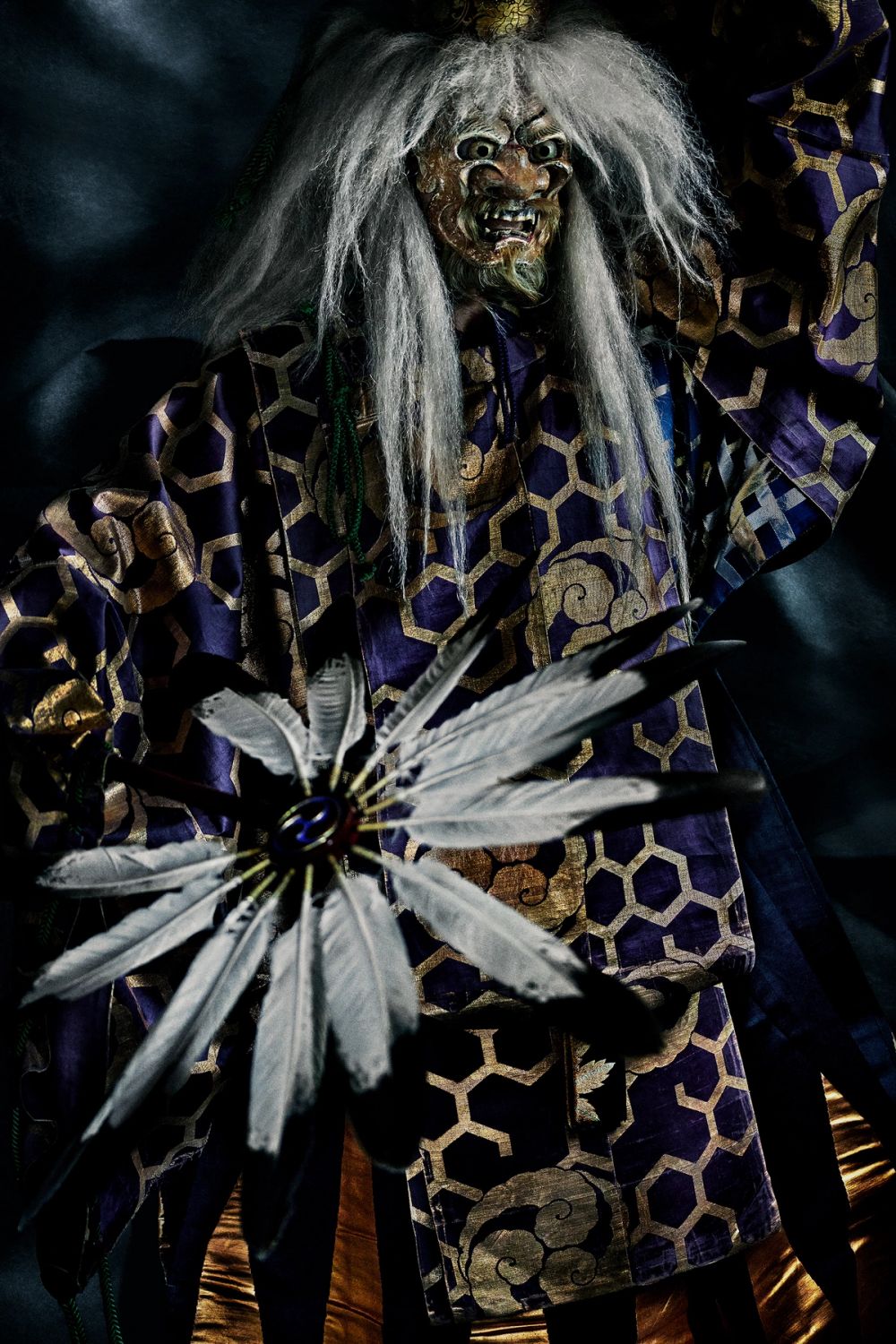
Noh theatre performer, Tokyo, Japan, 2019. Photograph by Mario Testino.

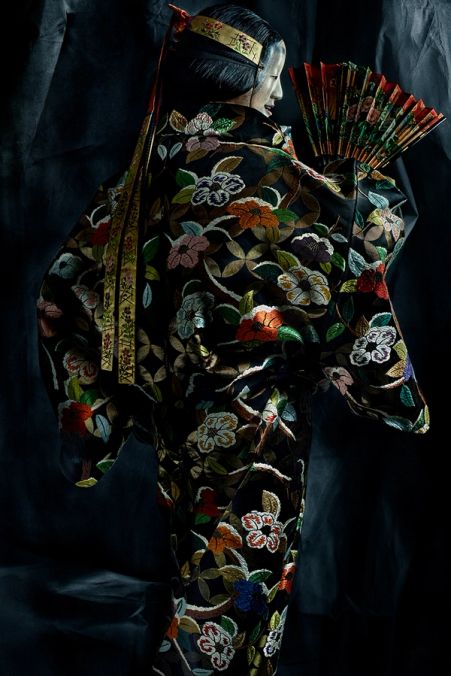
Noh theatre performer, Tokyo, Japan, 2019. Photograph by Mario Testino.

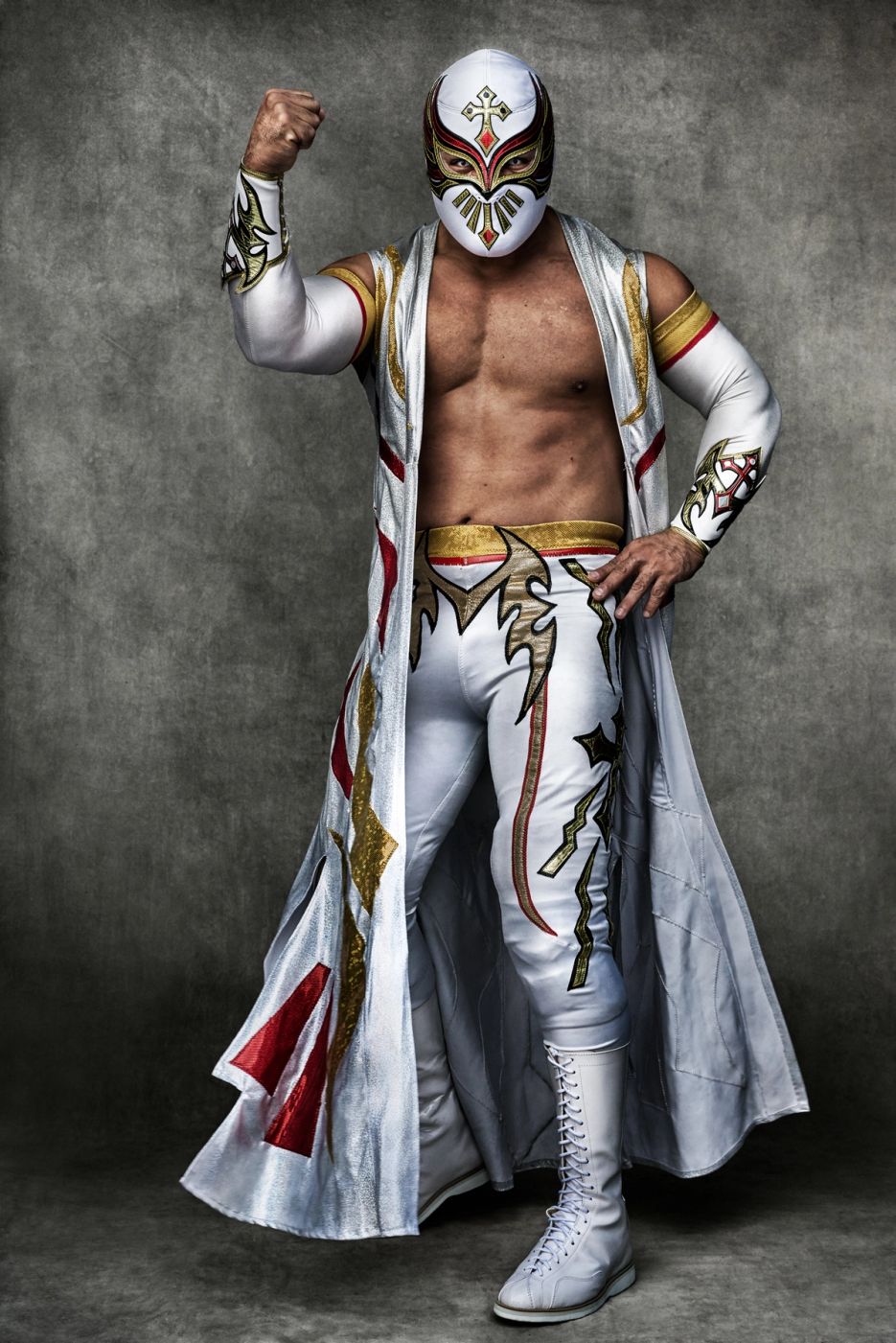
Luchador, Mexico City, Mexico, 2019. Photograph by Mario Testino.
Tiliches, Mexico, 2019. Photograph by Mario Testino.

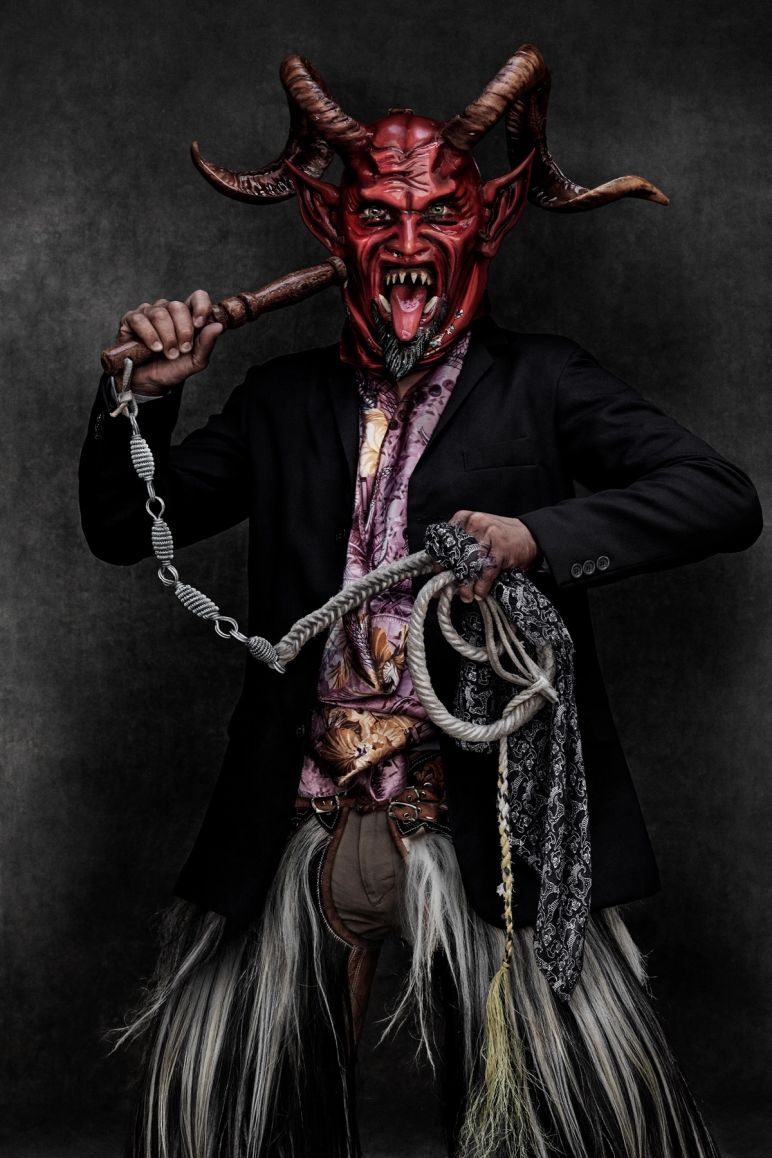
Diabitos, Mexico, 2019. Photograph by Mario Testino.

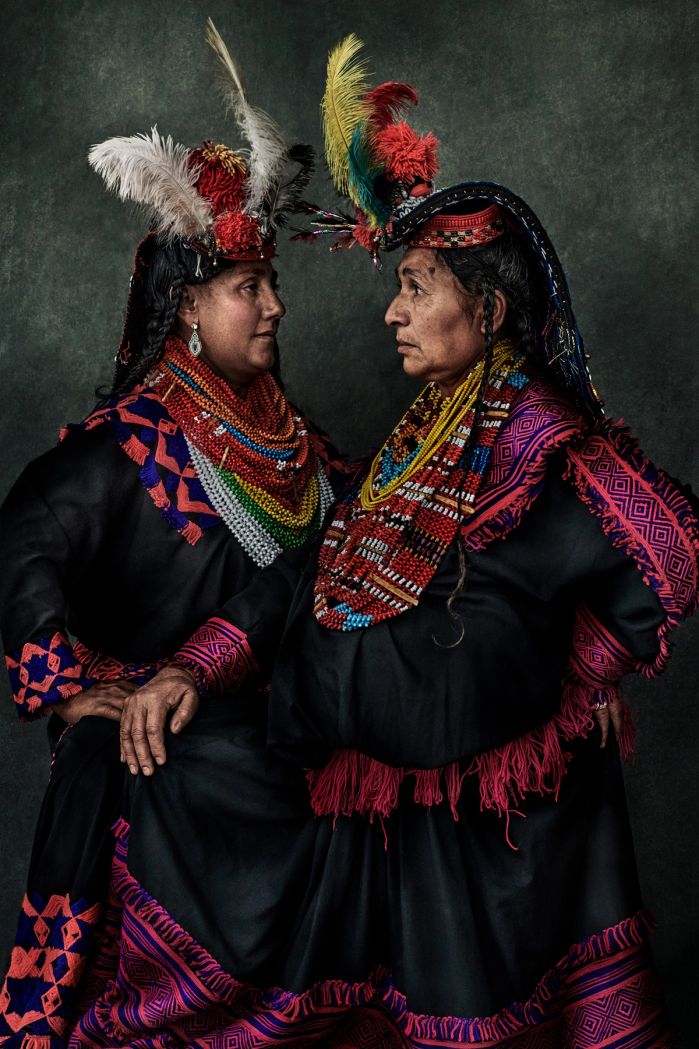
Kalash Valley, Pakistan, 2024. Photograph by Mario Testino.

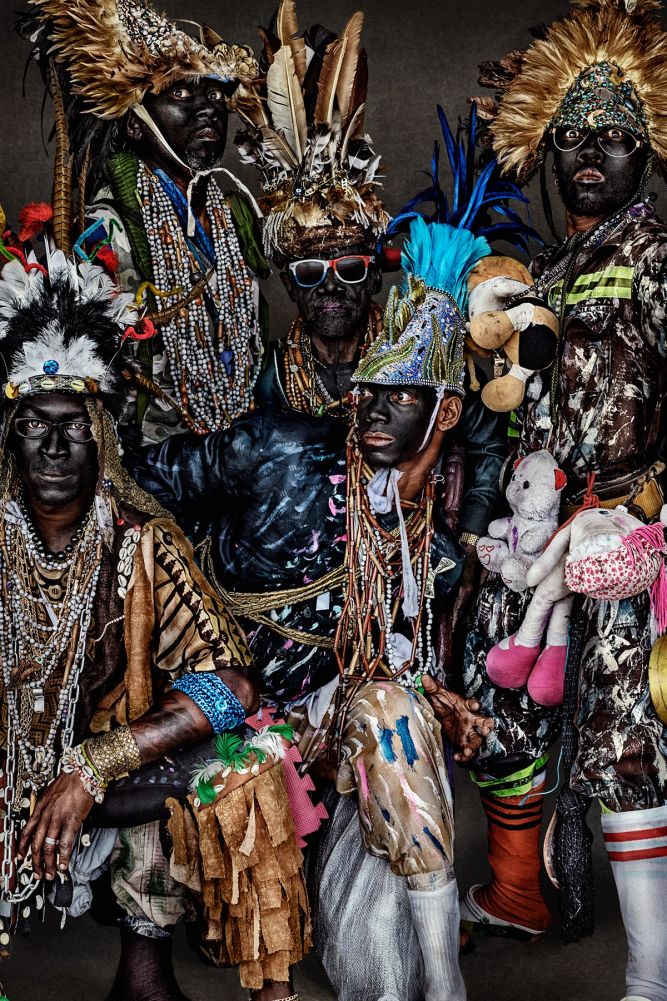
The Congos, Portobelo, Panama, 2023. Photograph by Mario Testino.

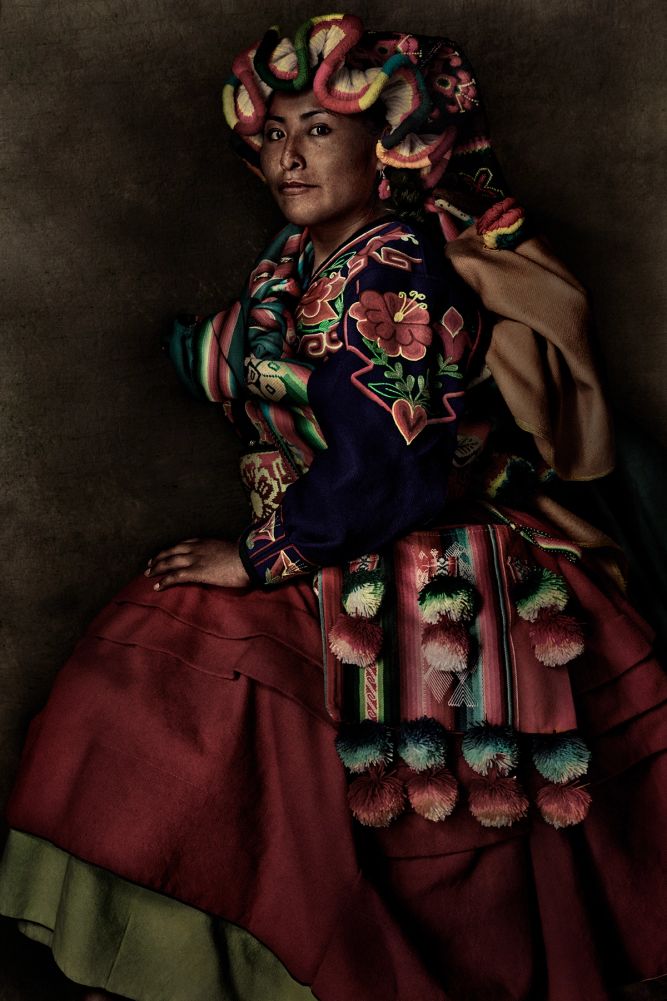
Woman of Puno in traditional dress, Peru, 2022. Photograph by Mario Testino.

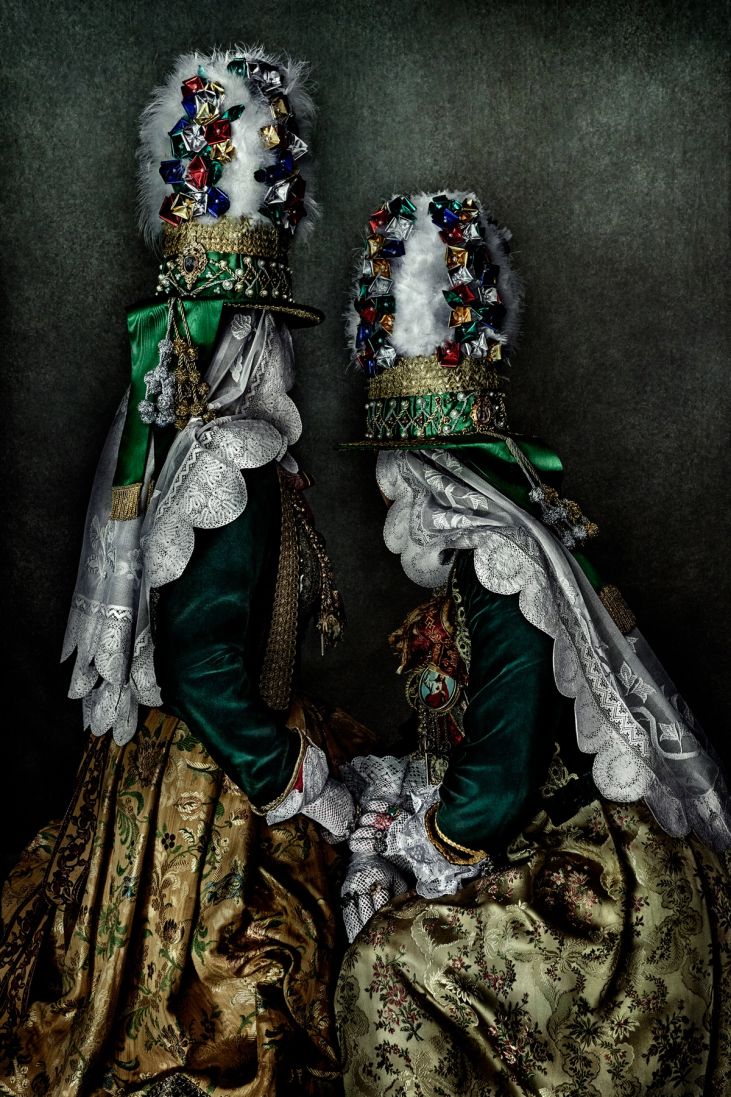
Jamugueras in ceremonial dress, Andalucía, Spain, 2025. Photograph by Mario Testino.

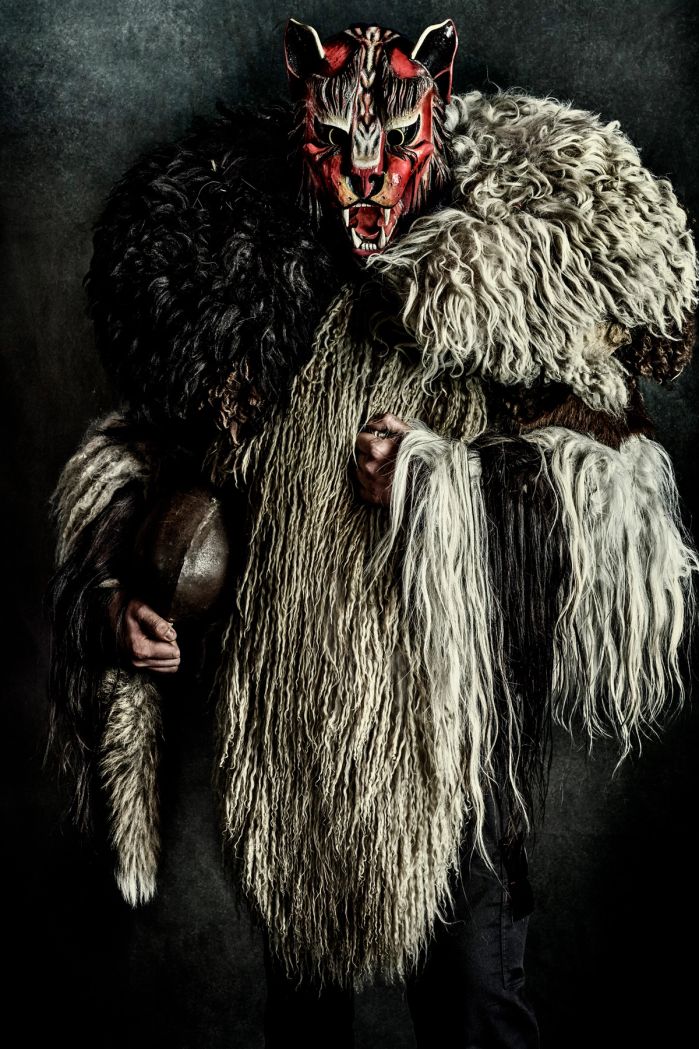
Man in Peluche costume, Carnaval d’Evolène, Switzerland, photographed by Mario Testino, 2025

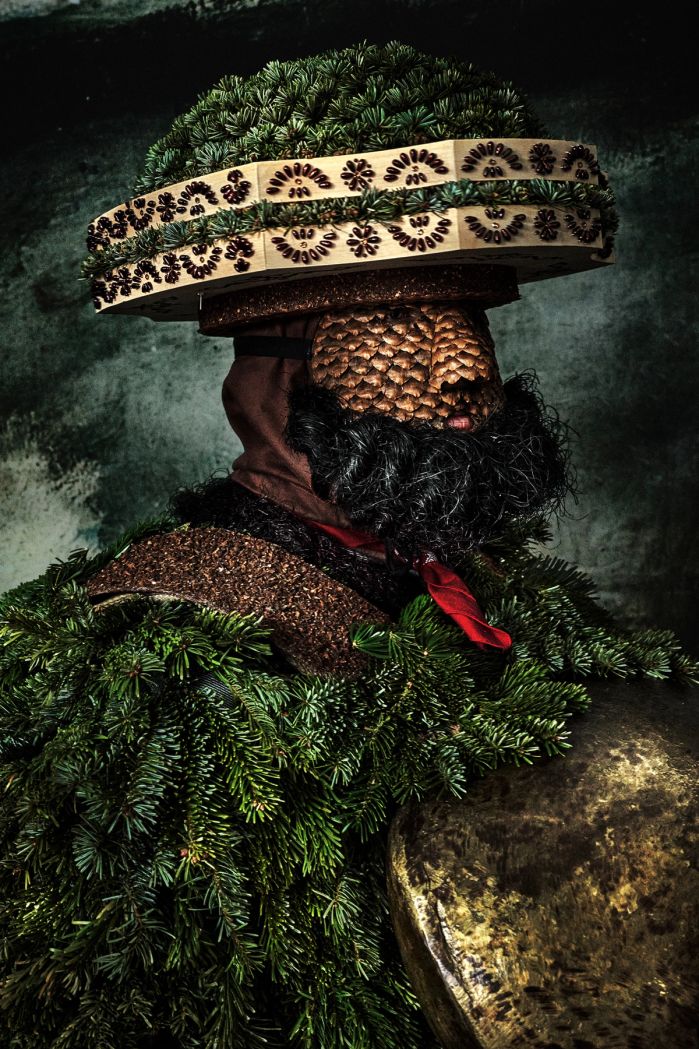
A man in Schö-wüeschte in Silvesterklaeuse costume, Urnäsch, Switzerland, photographed by Mario Testino, 2025

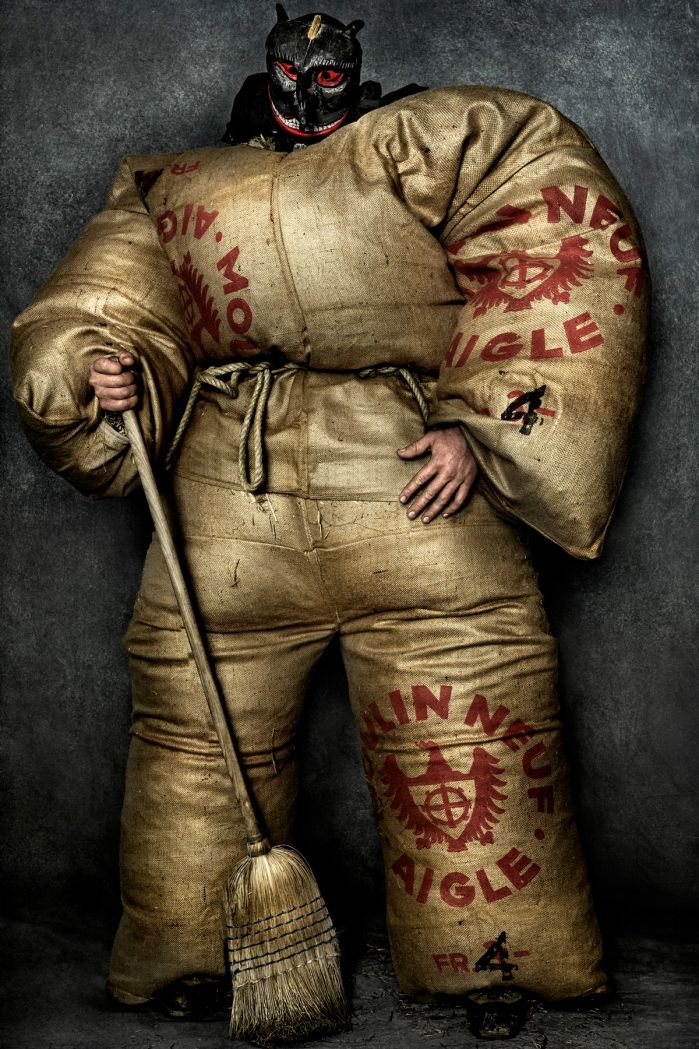
Man in Empaillé straw costume for the Carnaval d’Evolène, Switzerland, photographed by Mario Testino, 2025

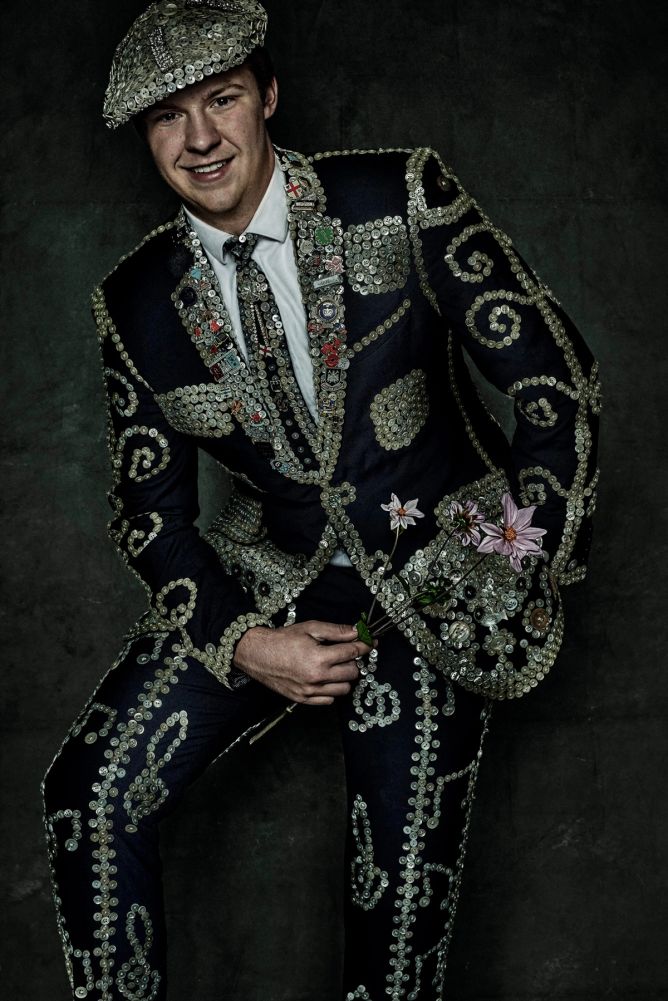
Pearly Pride in traditional costume, Hackney, London, photographed by Mario Testino, 2020

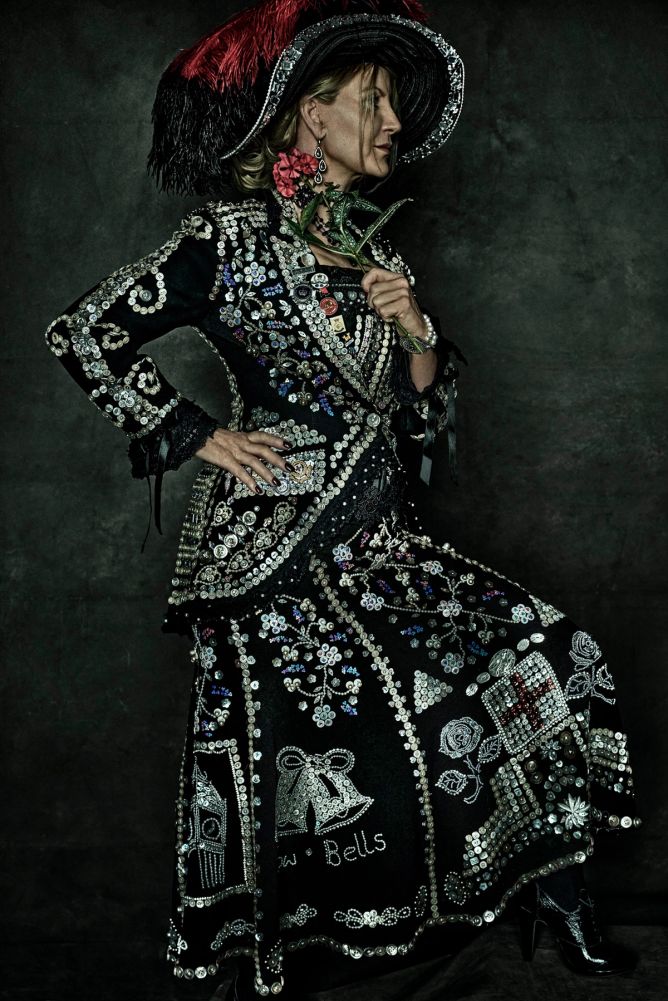
Pearly Pride street costume detail, London, photographed by Mario Testino, 2020

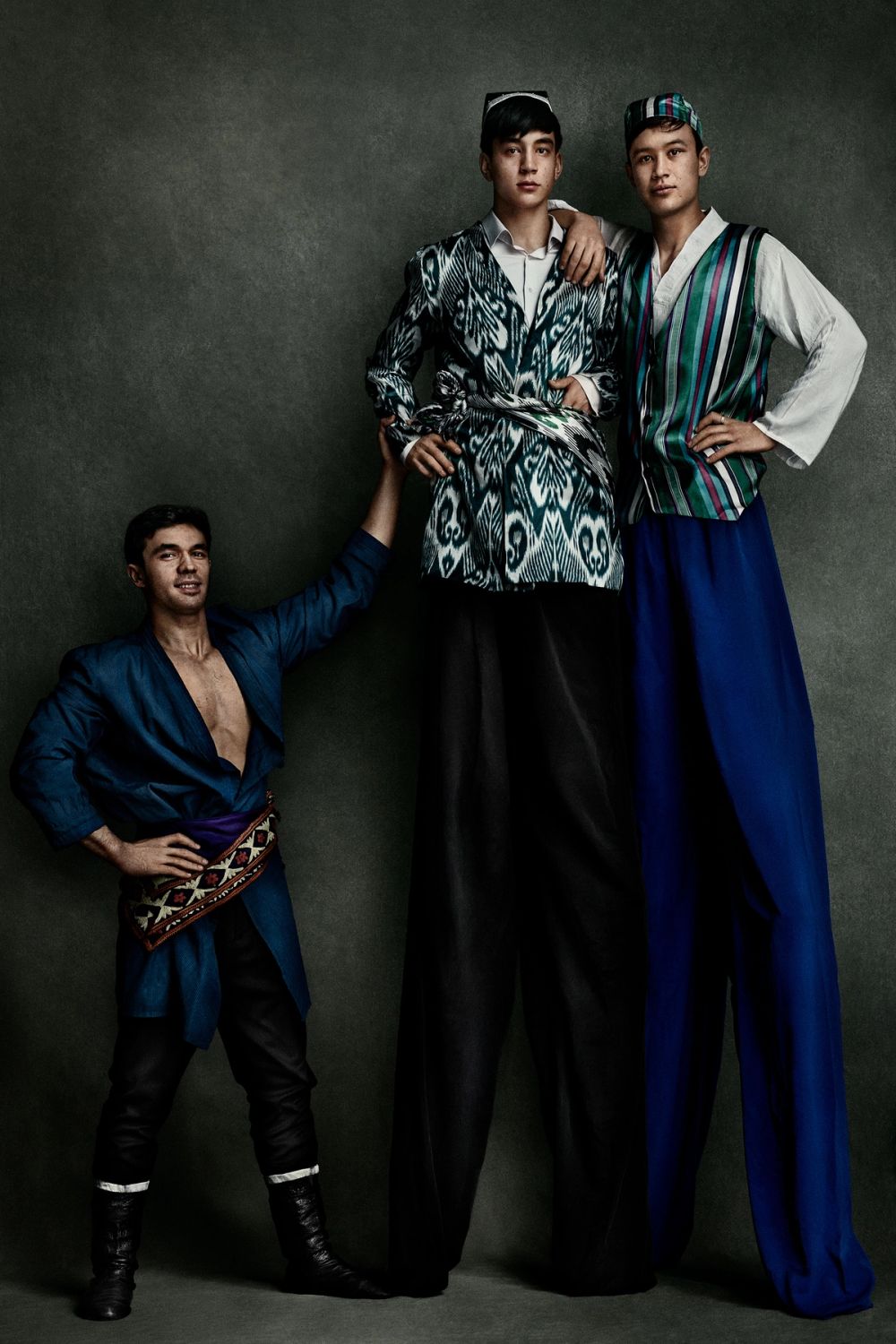
Stilt walkers, Fergana region, Uzbekistan, 2024. Photograph by Mario Testino.
Mario Testino’s work across countries including Pakistan, Panama, Brazil, and the Democratic Republic of the Congo, from the Kalash to the Congos, recognises the point where clothing stops being surface and begins to operate as knowledge. “I look for the clothes people use to define their sense of belonging,” he has said. It is a simple statement, but it shifts the focus from appearance to function.
And what it does, across these images, is consistent. It defines. It signals. It holds. It remembers.
As the Met Gala frames costume as art, A Beautiful World shows that this condition has never been limited to fashion. It exists wherever people have needed to locate themselves within a system of meaning, whether through ceremony, celebration, resistance, or daily life.
The night in New York will pass quickly, as it always does. The images will circulate, peak, and settle into archive. Beyond it, the act continues. Clothing is worn again. Adjusted. Repeated. Carried forward. Not for the camera, but for recognition.
In that continuity, the idea of Costume Art expands beyond the event itself, into a broader, global conversation. Not as an event, but as a way of being seen that has always existed, long before it was given a name.