SADHUS: MARIO TESTINO AND THE ARCHITECTURE OF DEVOTION

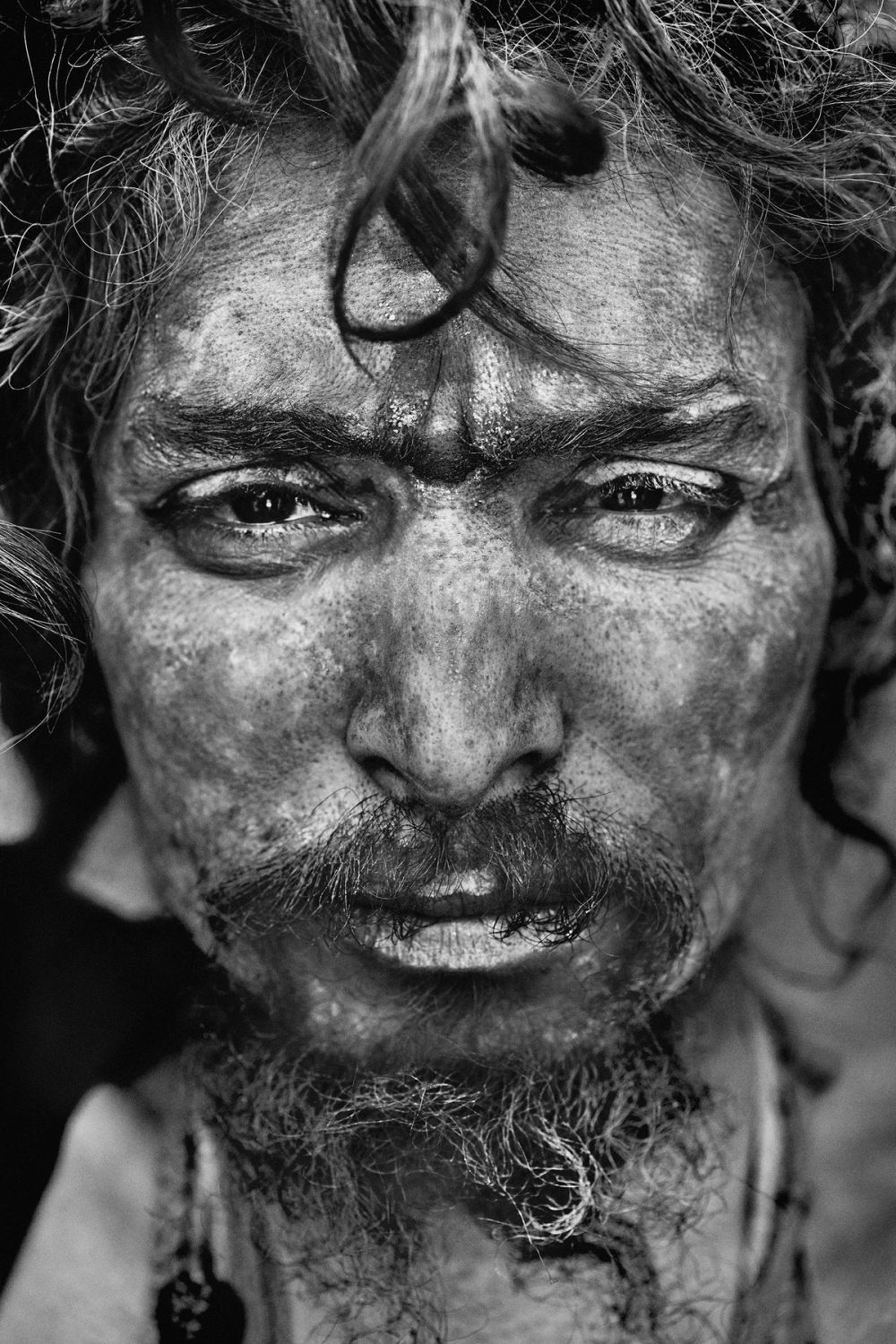
In the spring of 2019, shortly before the global silence of the pandemic, Mario Testino travelled to Prayagraj (formerly Allahabad), India, to photograph the Kumbh Mela, a gathering so vast it almost escapes comprehension. A kinetic surge of millions moving towards the Ganges River seeking atonement, drawn by a belief that purification is not symbolic but lived, enacted through ritual, repetition and the body itself.
To the uninitiated, the gathering reads as spectacle of scale. But for Testino, the movement of the masses, the smoke, the density and the colour form only the atmospheric backdrop to a more singular, silent inquiry: the physical manifestation of absolute faith. He is not drawn to the crowd, but to those who have stepped outside of it. The sadhus.
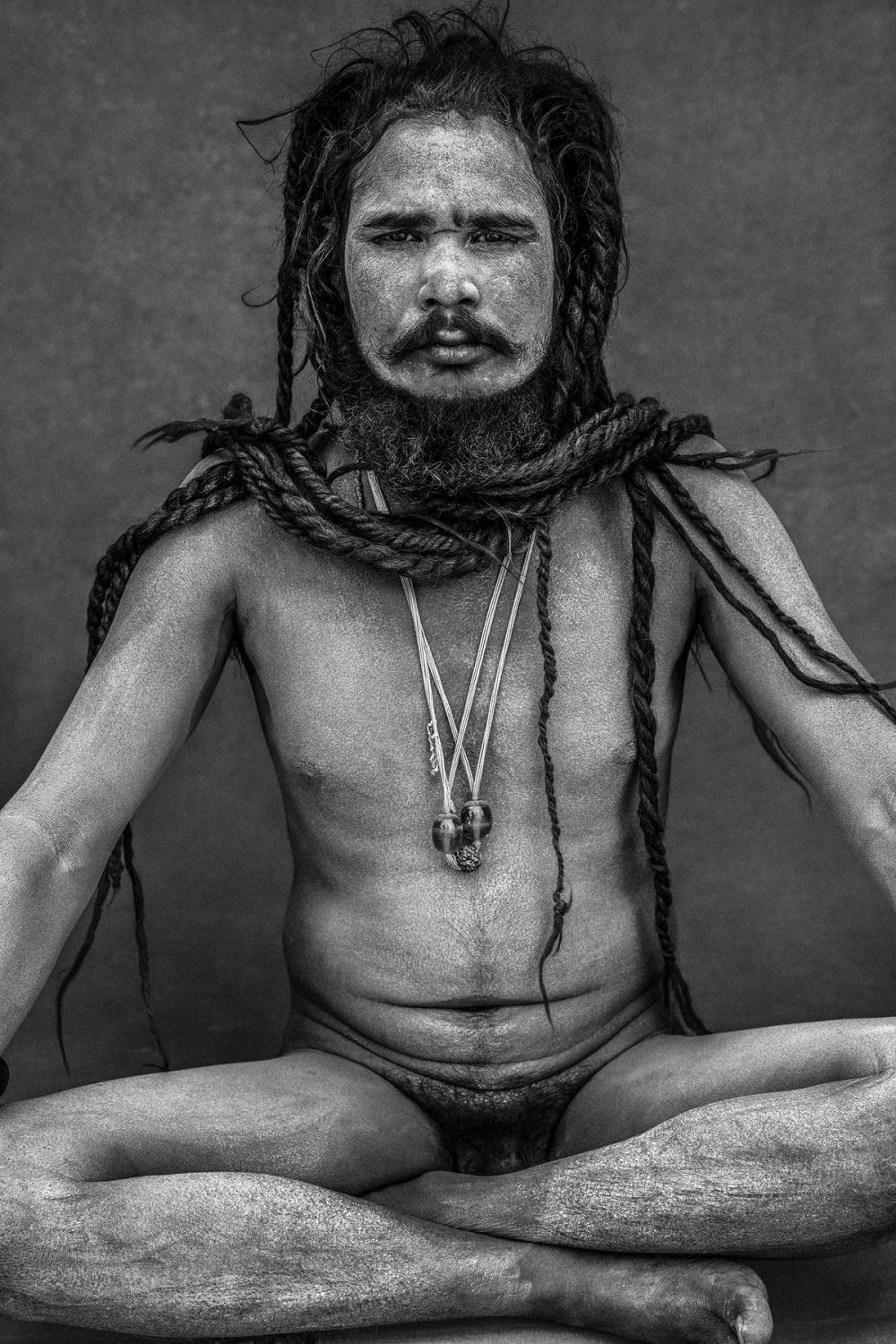
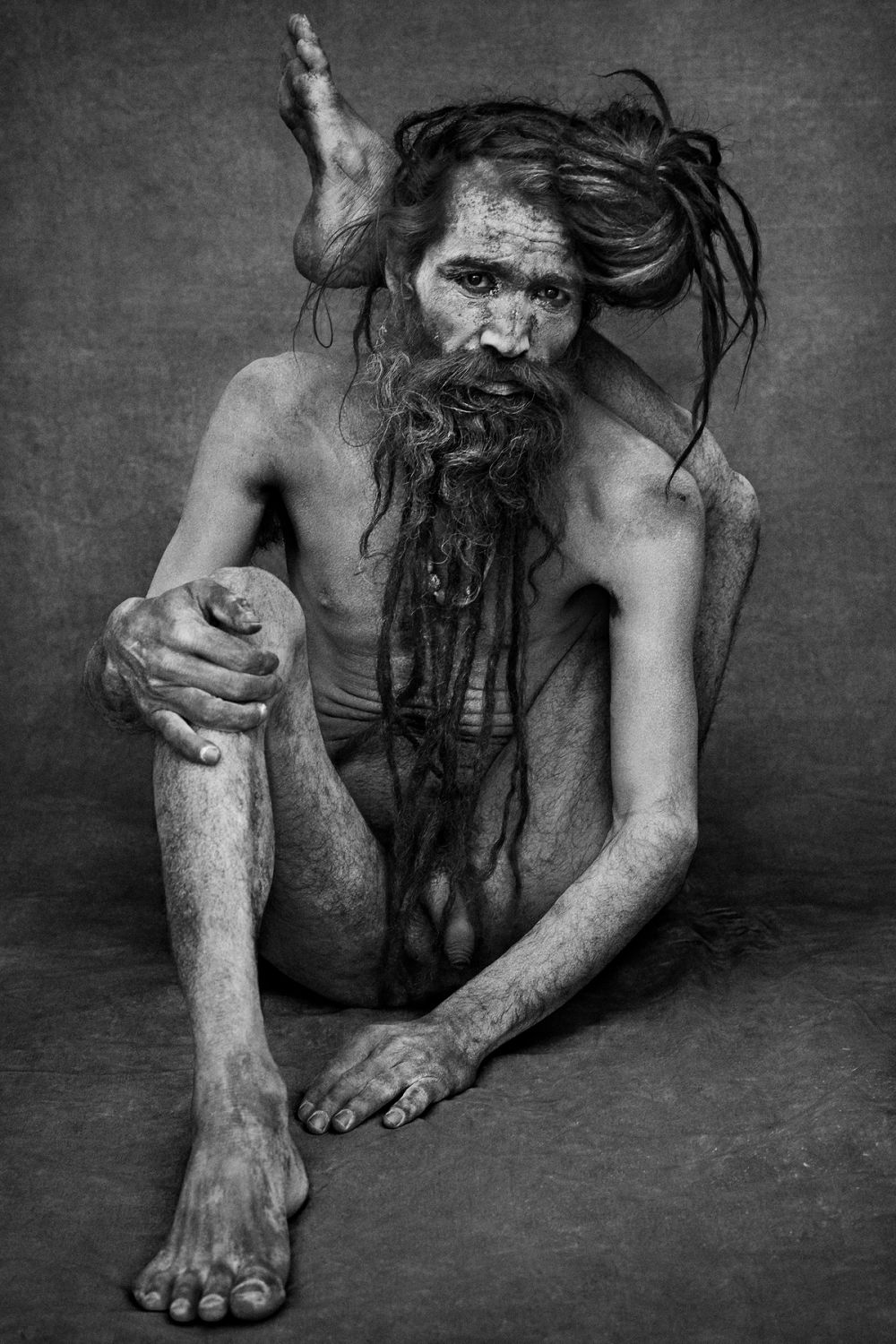
Ascetic holy men who have renounced material life to such an extent that the body itself becomes secondary. They carry no possessions. Many are unclothed. Some remain standing for years, refusing the relief of sitting or sleep. Others suspend their limbs to resist comfort. What remains is not performance, but discipline. A life structured entirely around belief.

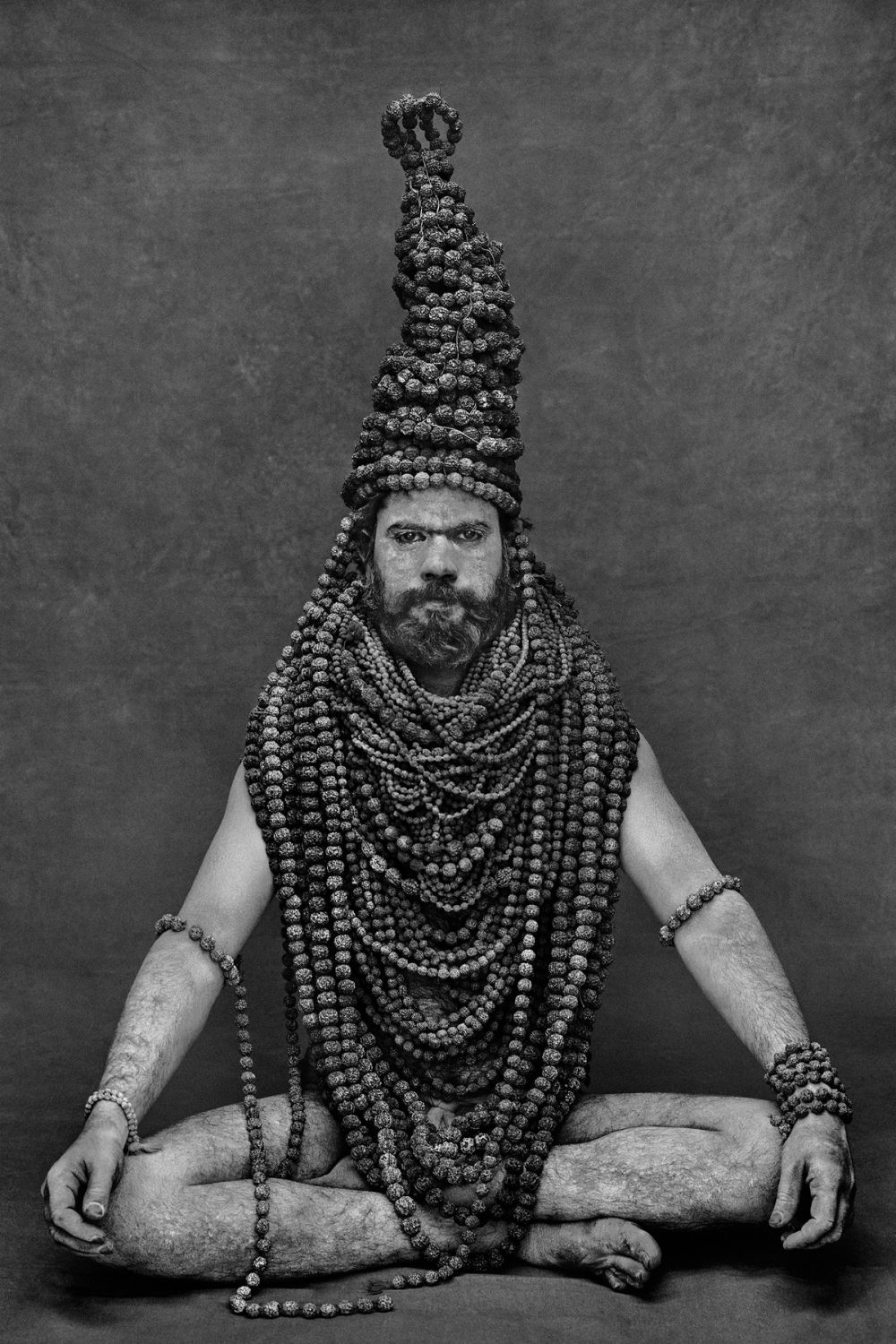

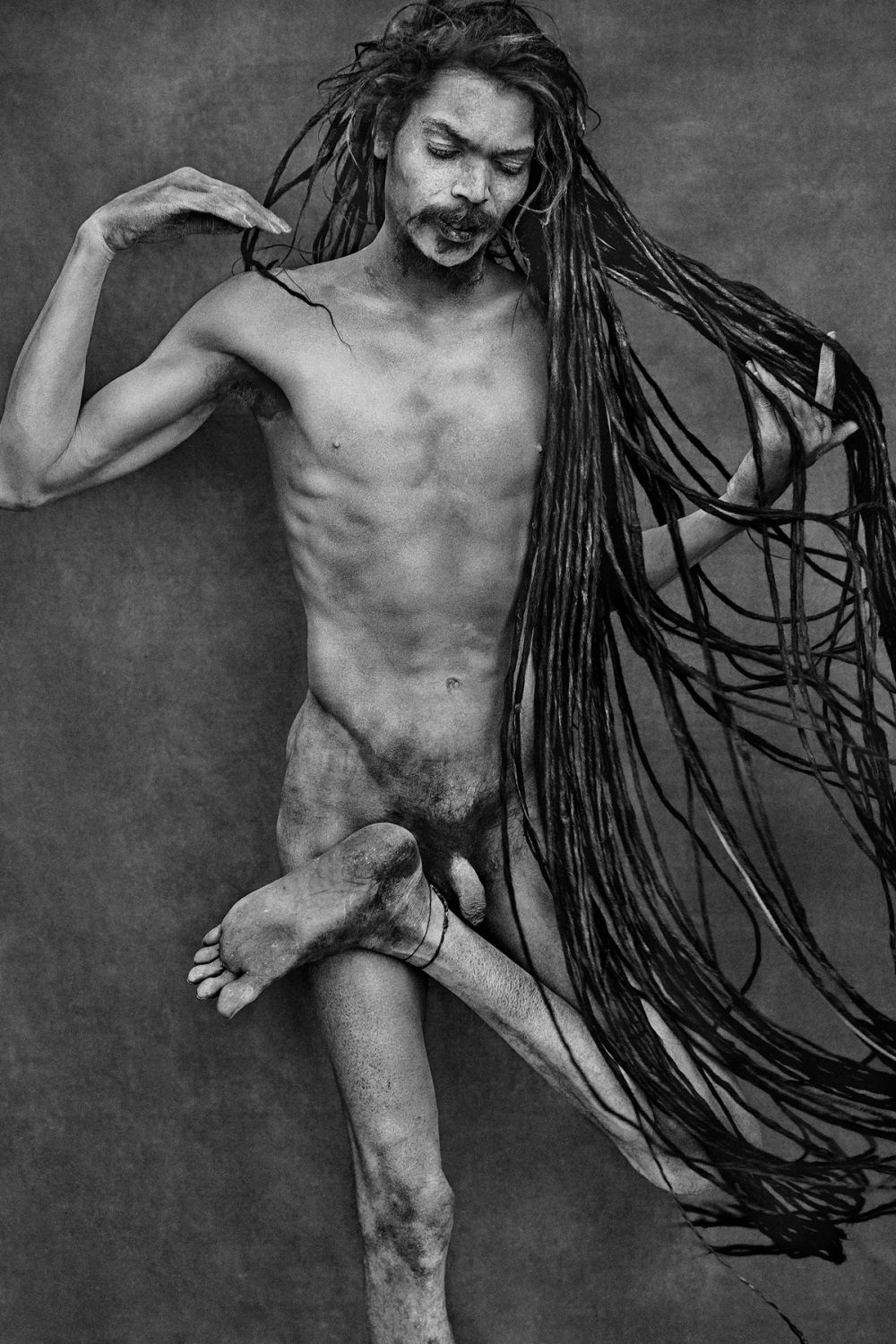

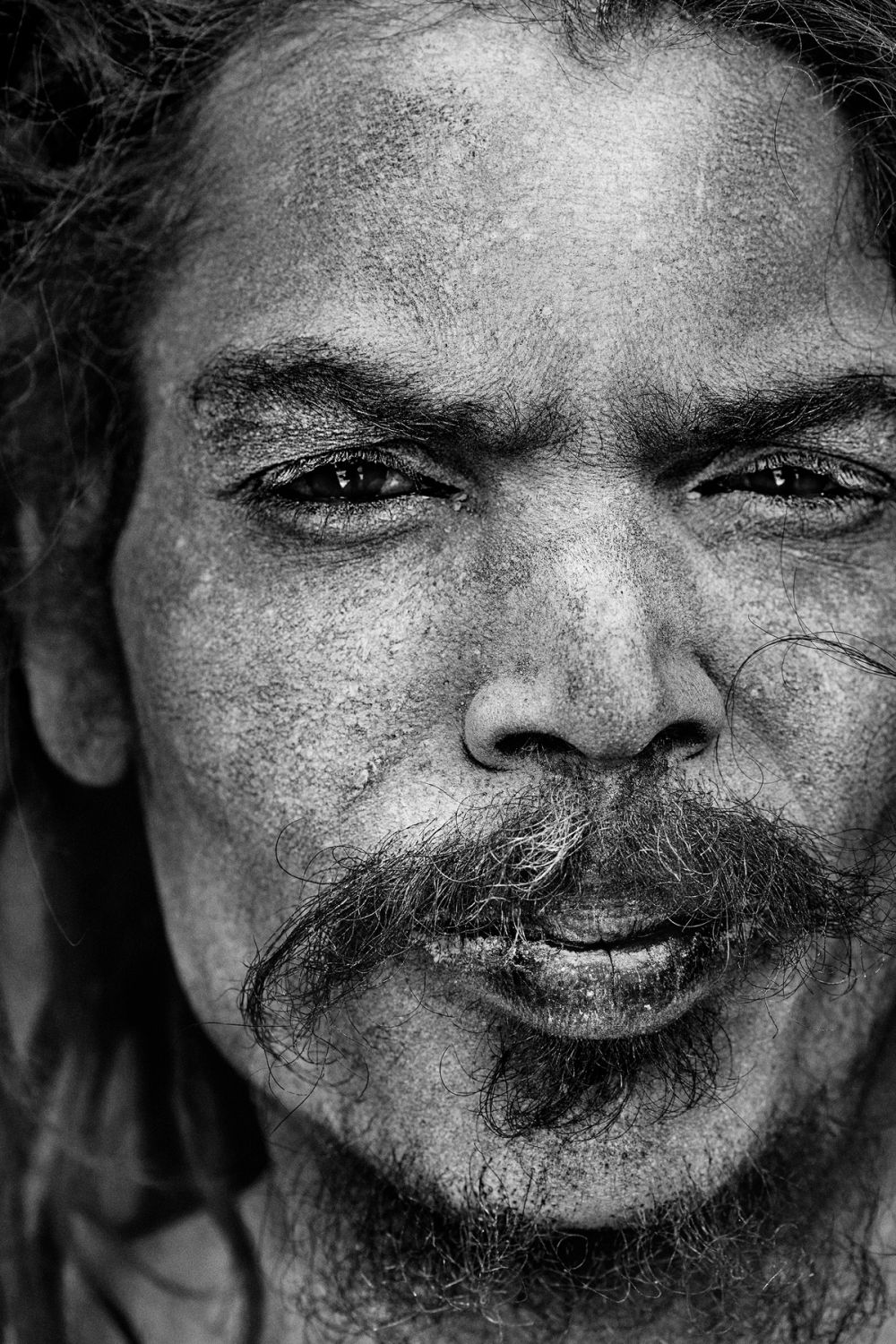

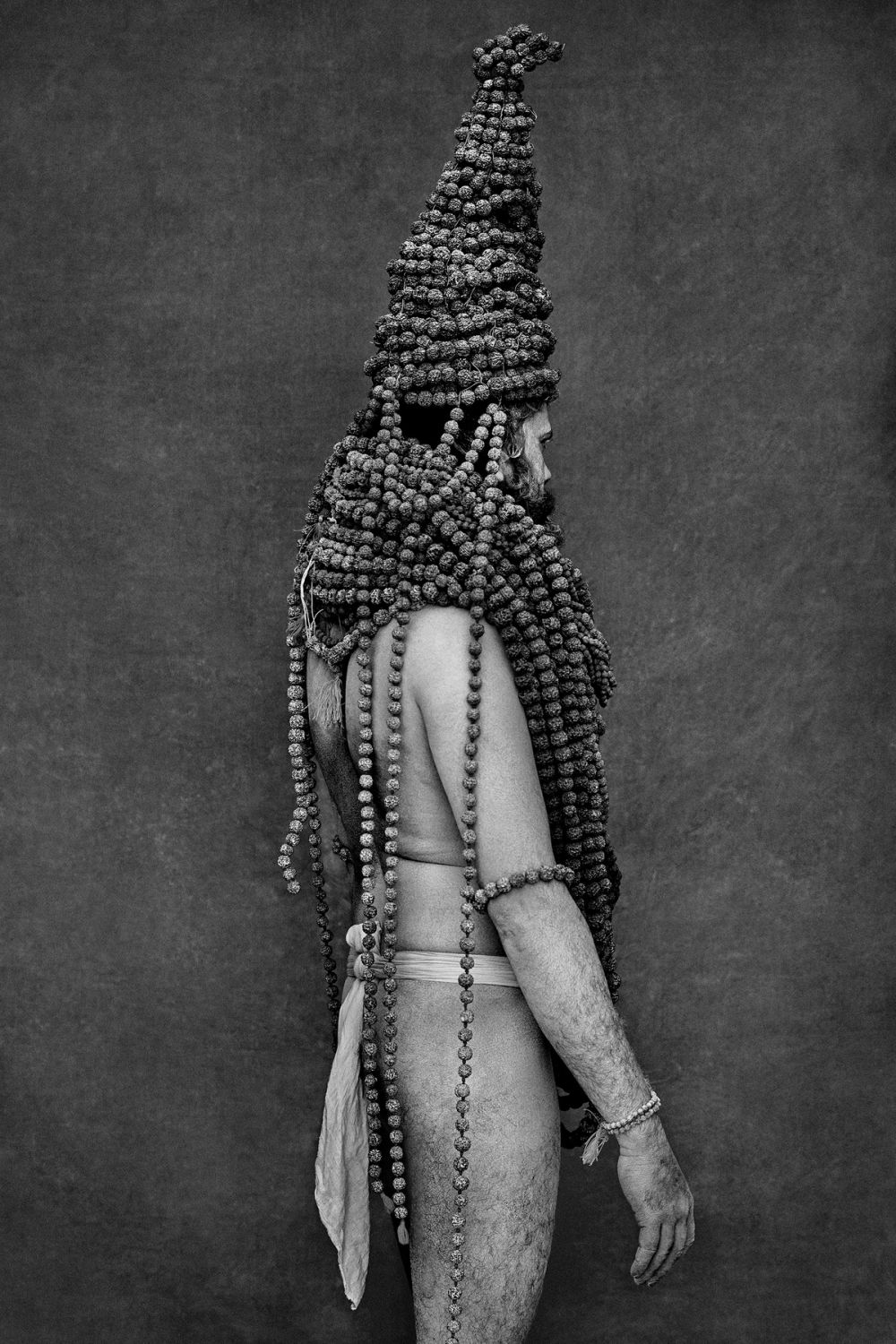

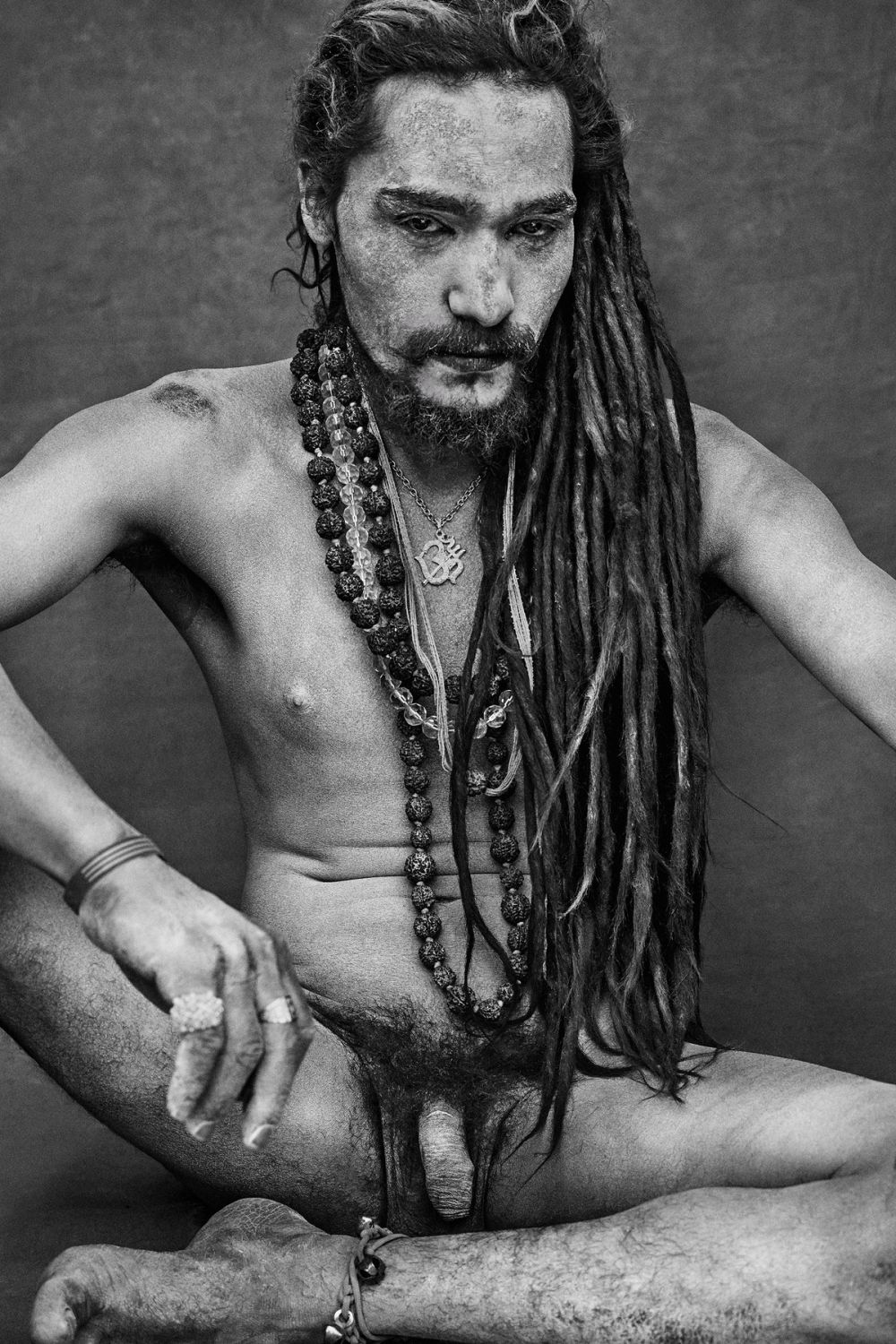

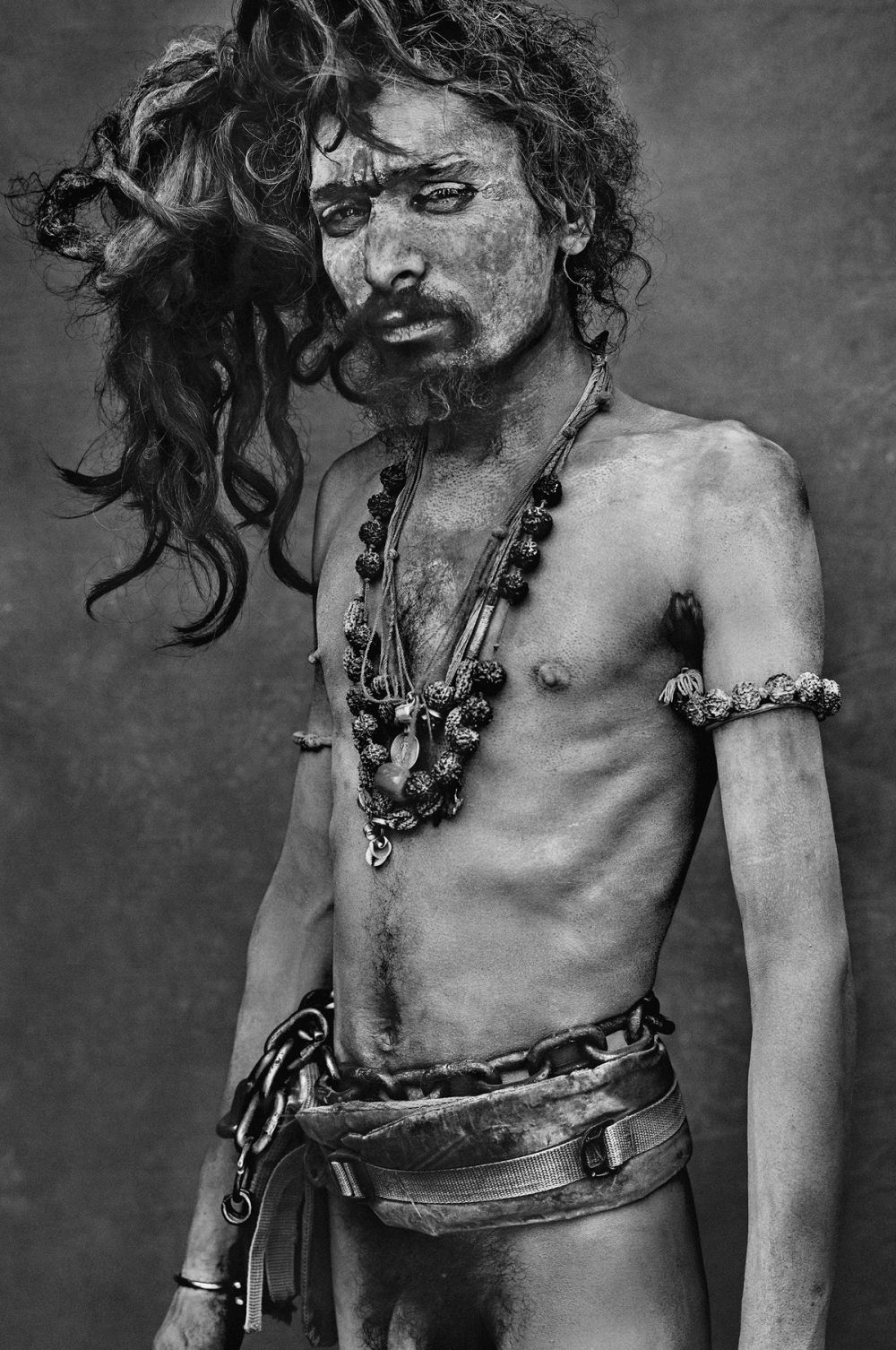

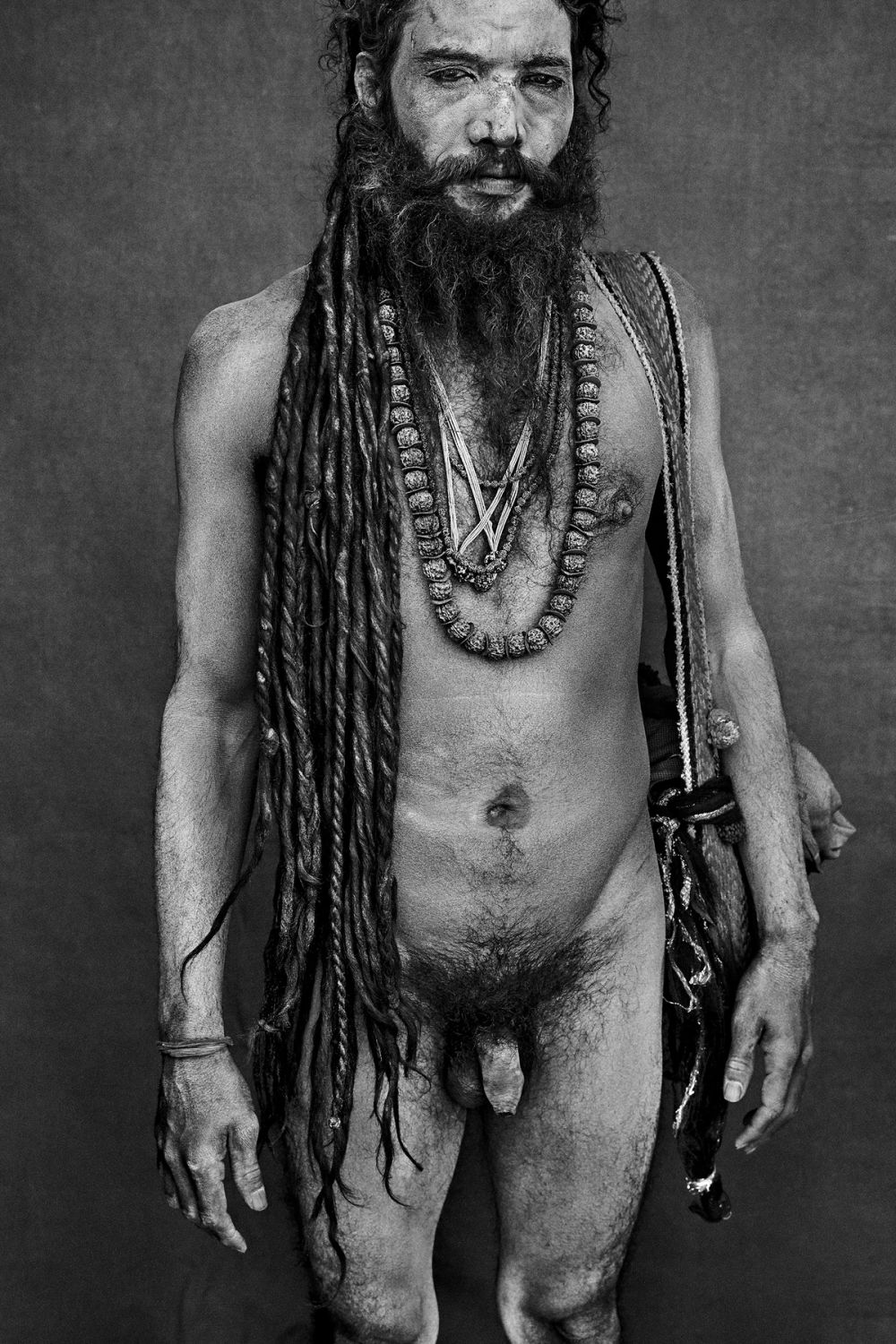

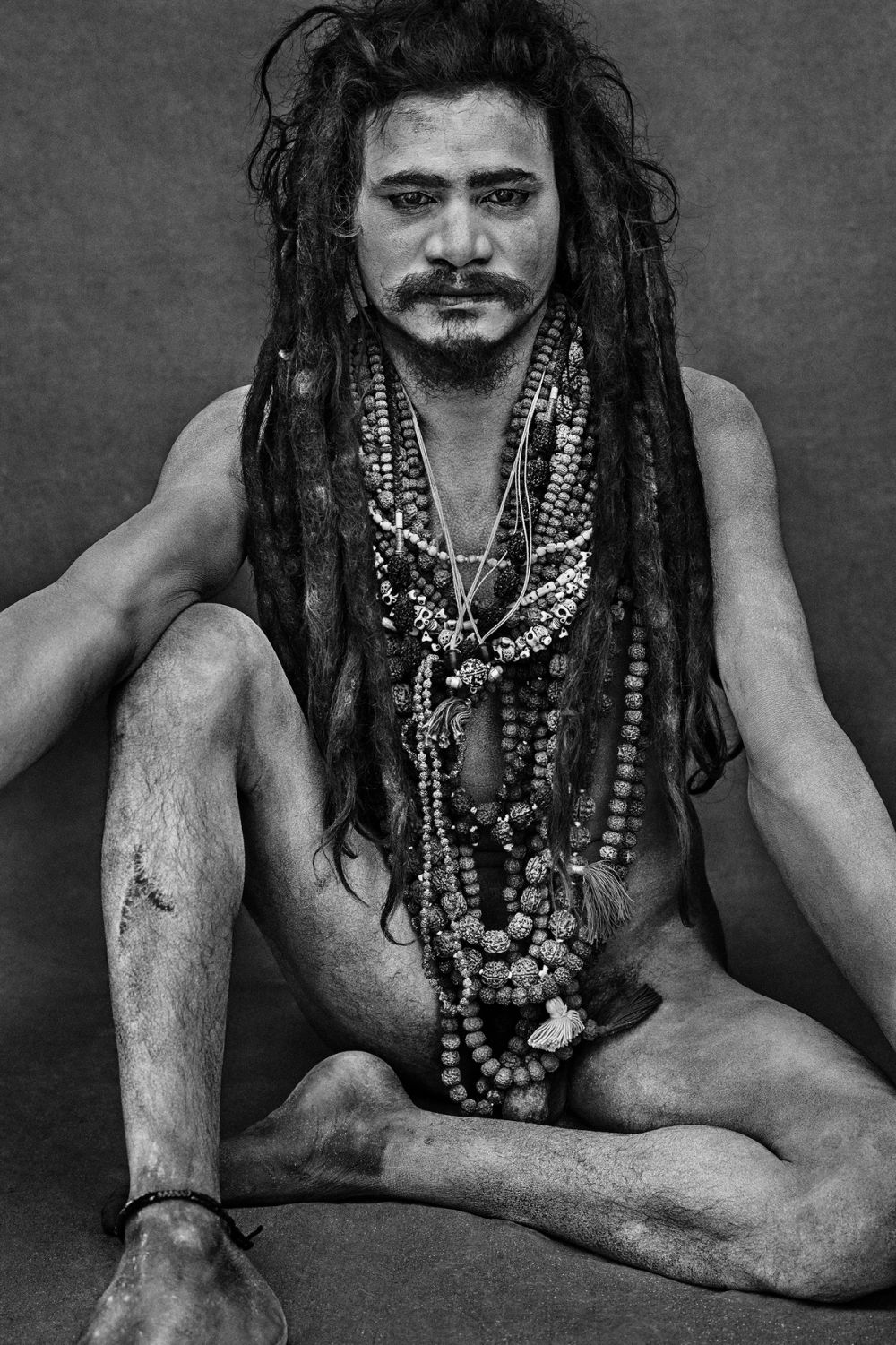

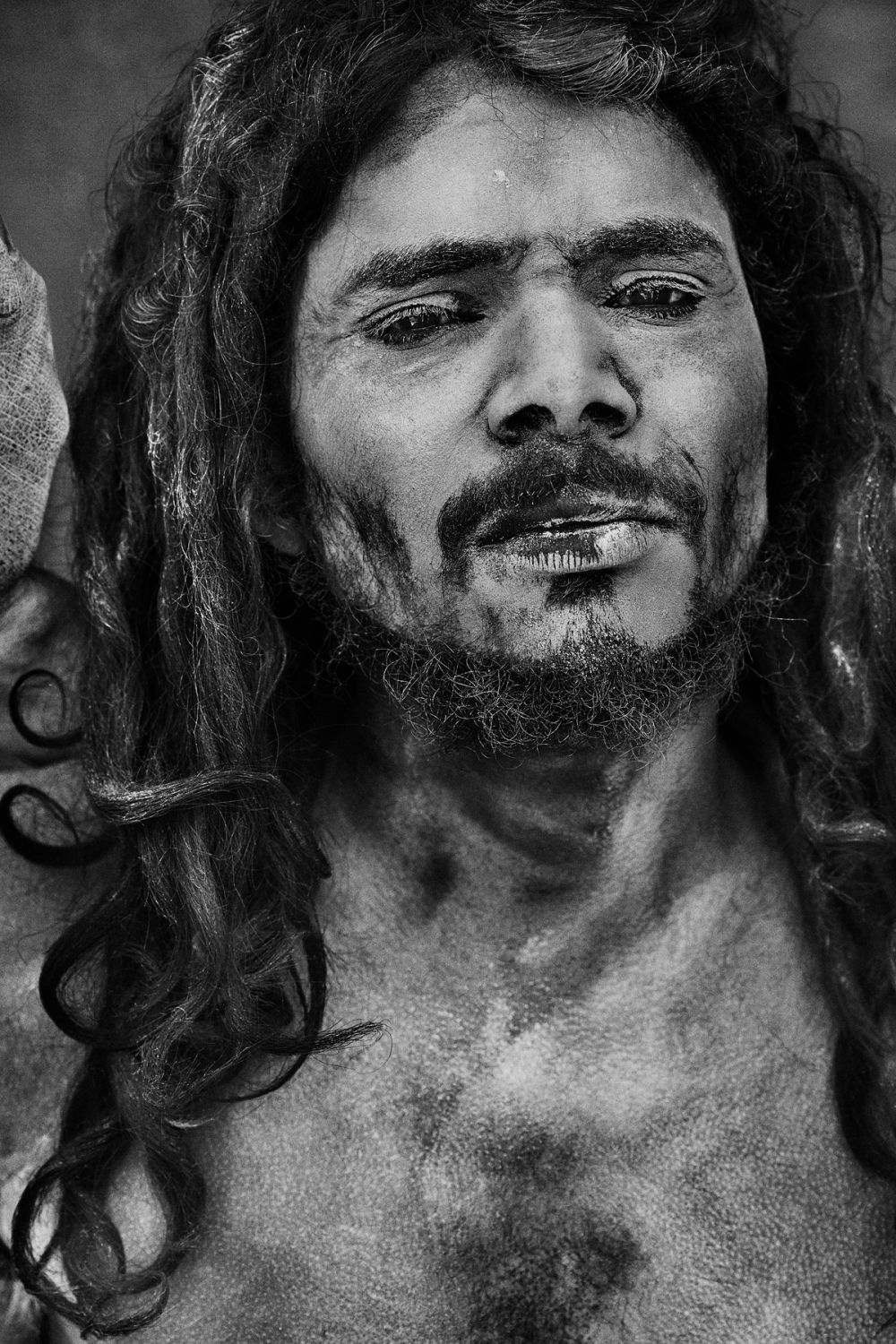

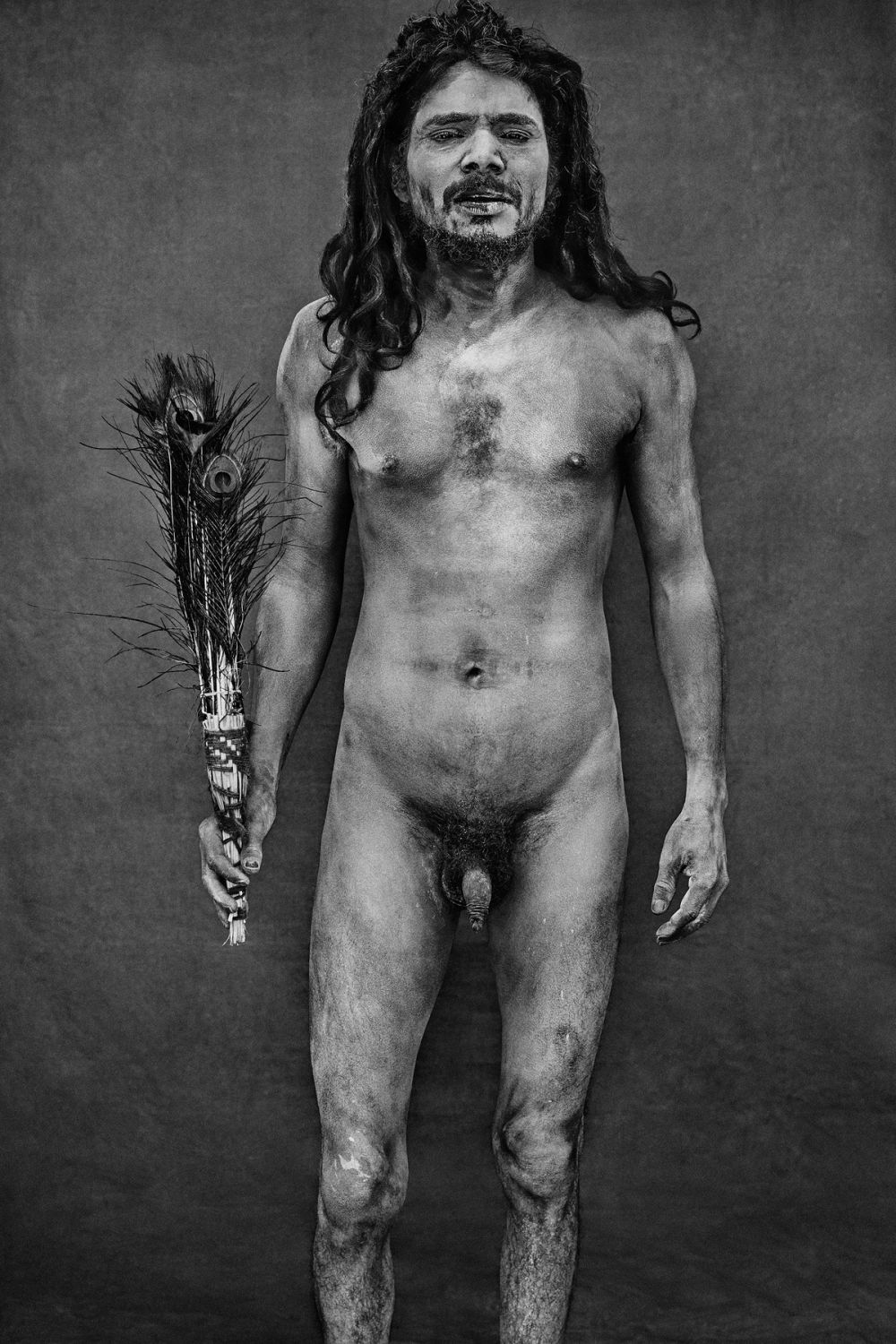
The resulting body of work, Holy Men, within his broader project A Beautiful World, published in 2021, marks a decisive shift in Testino’s practice. Long recognised for defining the visual language of fashion and portraiture, his focus here turns elsewhere. The instinct to construct, refine and direct gives way to a more exacting discipline of attention, shaped by beauty, tradition and heritage. The image is no longer driven by performance or persona, but by presence. It does not seek to create a moment. It holds its attention long enough for something to reveal itself.
“It’s exciting because it’s about finding new ways of looking. I spent my life showing bodies in fashion as a celebration of beauty. With the sadhus, it’s the opposite. It’s about giving things away. Giving up material life. We come from a world of buying and accumulating, and I find it fascinating to see people who choose to let that go.” – Mario Testino
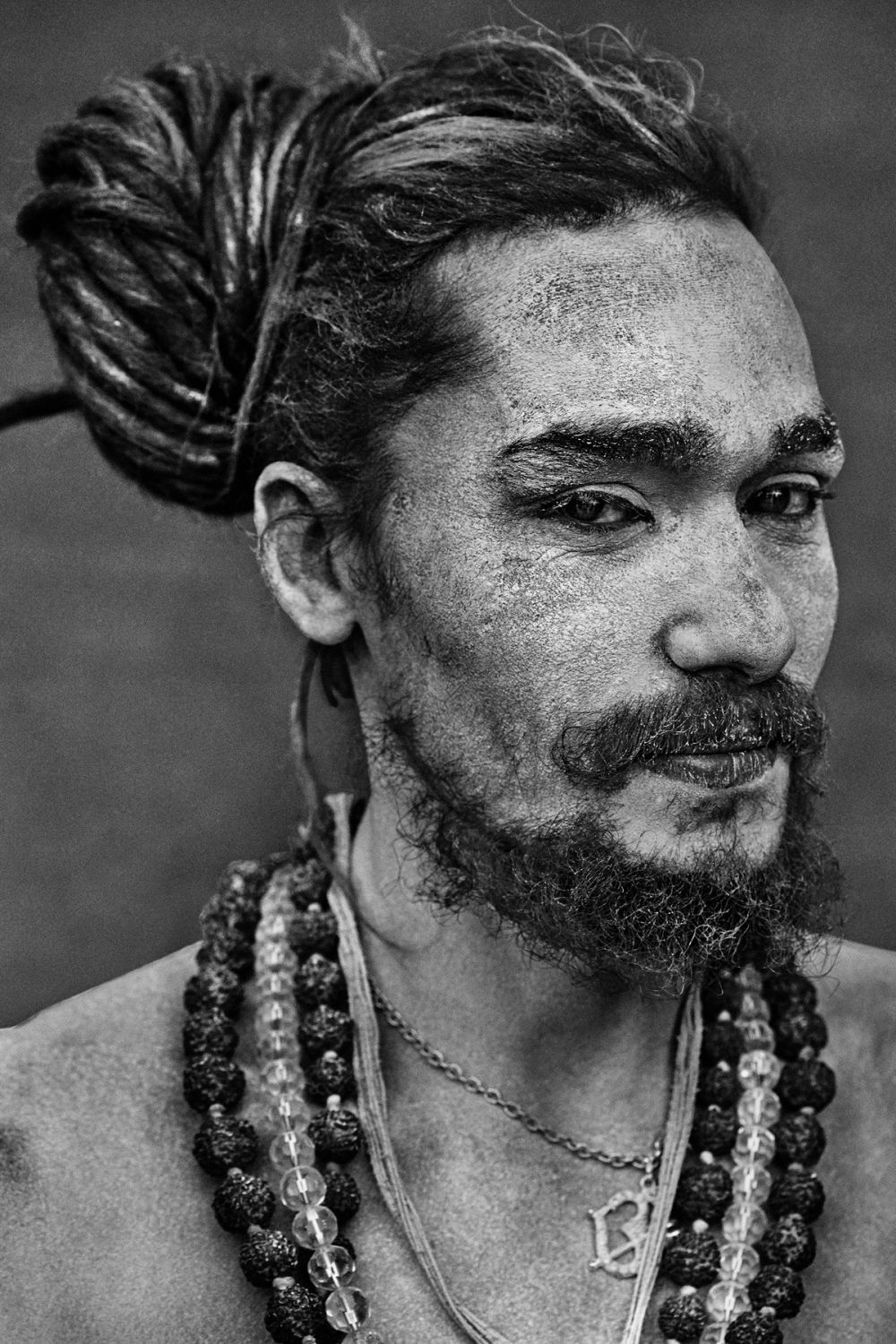
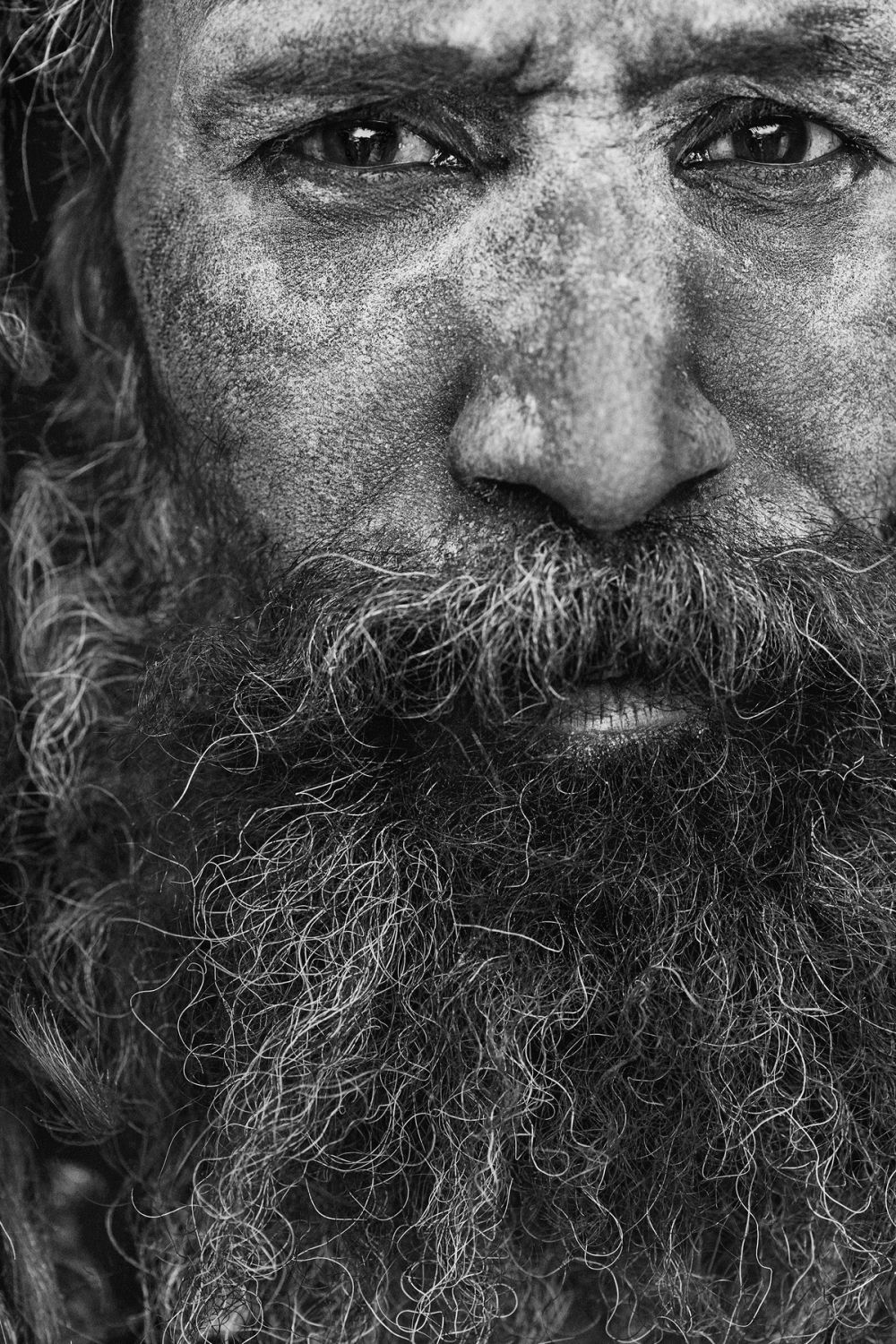
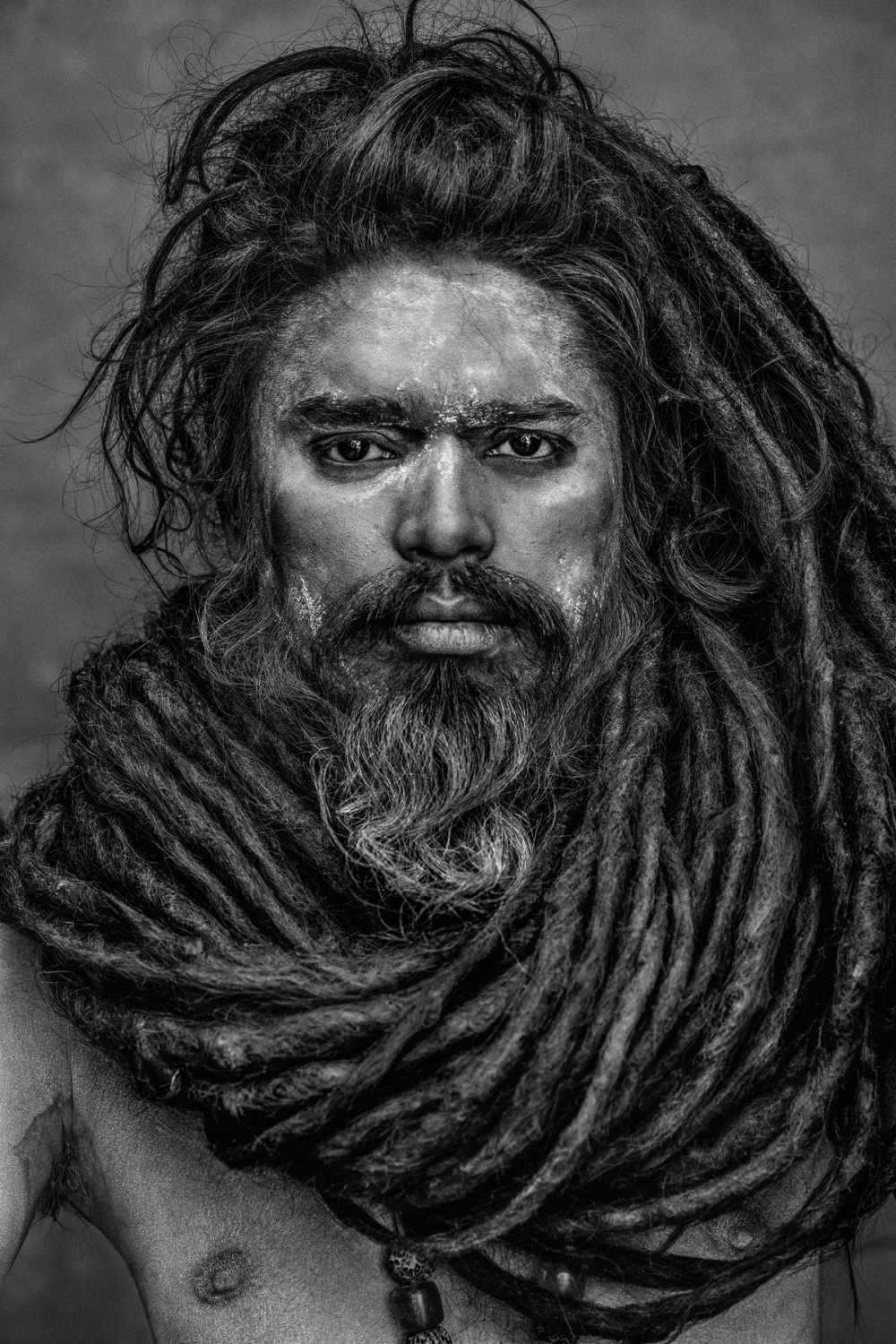
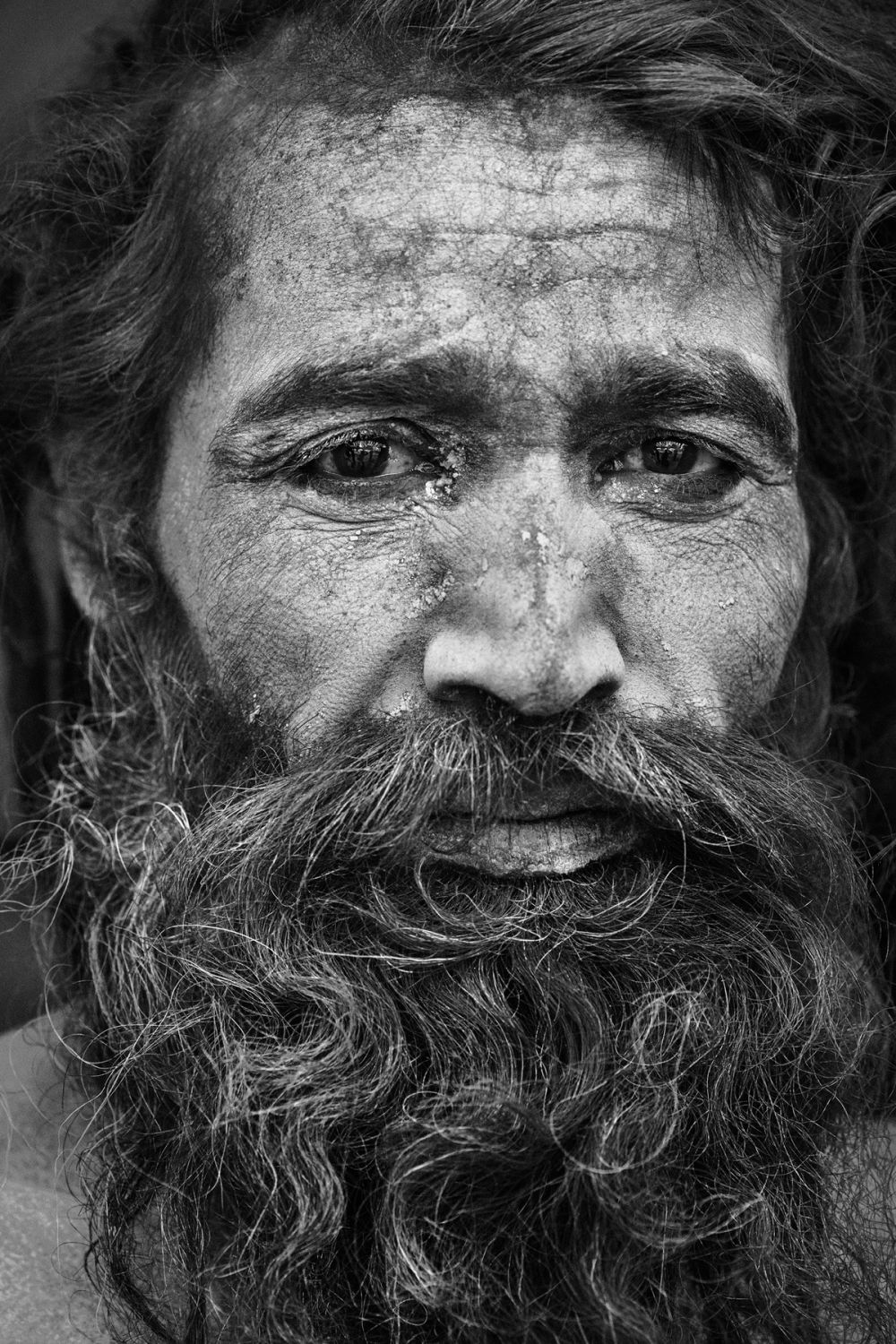
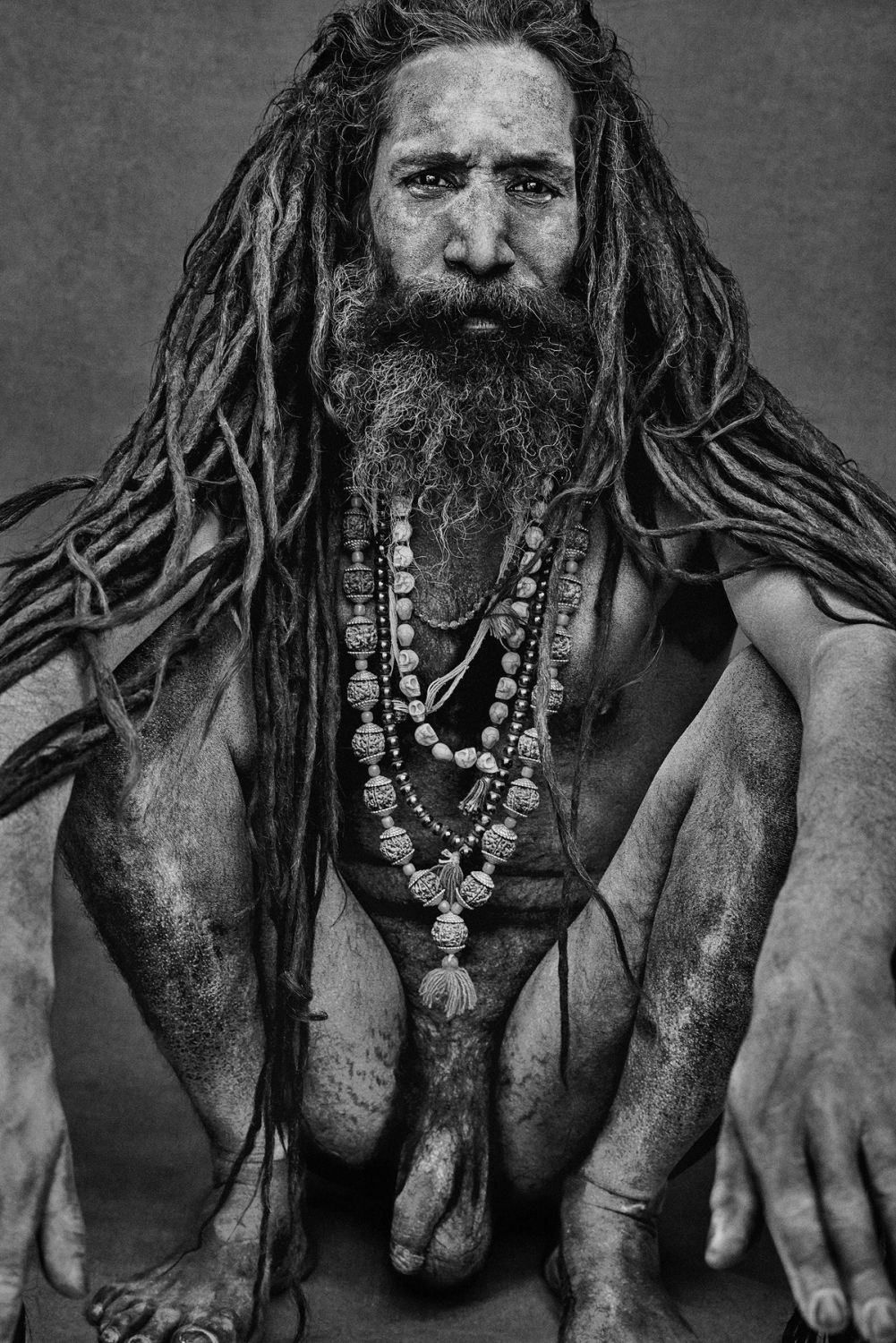
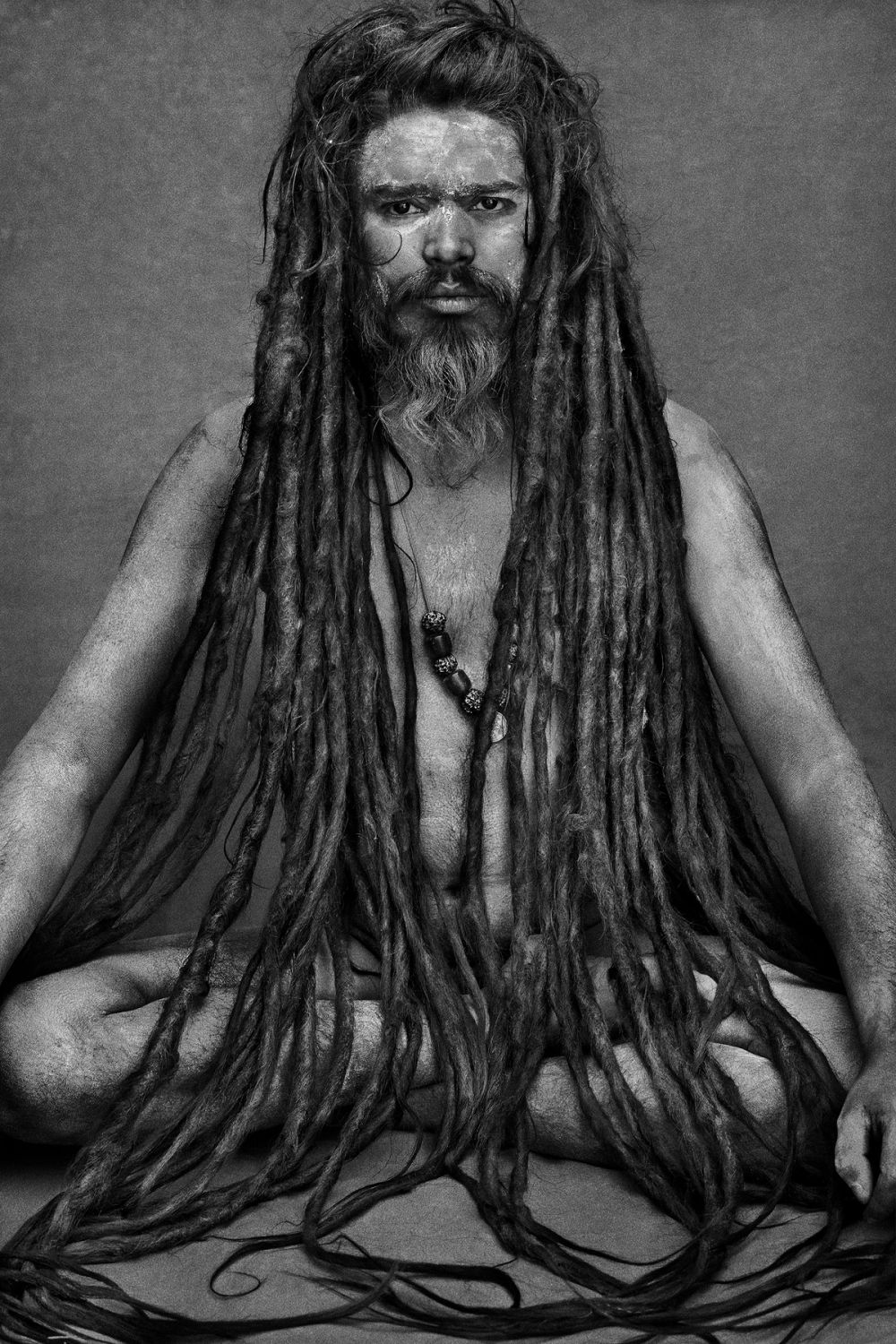
The power of this body of work, centred on the sadhus, lies in a radical act of isolation. Each man is photographed against a neutral grey ground, removed entirely from the visual intensity of the Kumbh Mela. There is no river, no fire, no trace of the gathering that surrounds them. By removing the context that often reduces such subjects to mere tourism, the image refuses spectacle and returns to the individual. The effect is immediate, and disarming. The sadhu is no longer part of a mass, but an encounter.
Ash settles across the skin in intricate, almost topographical patterns. Hair, left to grow without intervention, becomes time made visible. Matted, weighted, extending beyond the body, it carries years of discipline, years of refusal.
The matted weight of hair resists being read as style. In the context of the Kunsthalle München’s exhibition Hair: Stories of Power and Passion, where one of these portraits will be shown from March to October 2026, this detail takes on particular resonance. Here, hair is not aesthetic nor style. It is duration. It is belief, accumulated. In these frames, hair is a physical burden of belief, a matted history of years spent in the pursuit of the sacred, standing as a testament to power and passion that exists entirely outside the Western fashion cycle. It serves as a living record of a vow.

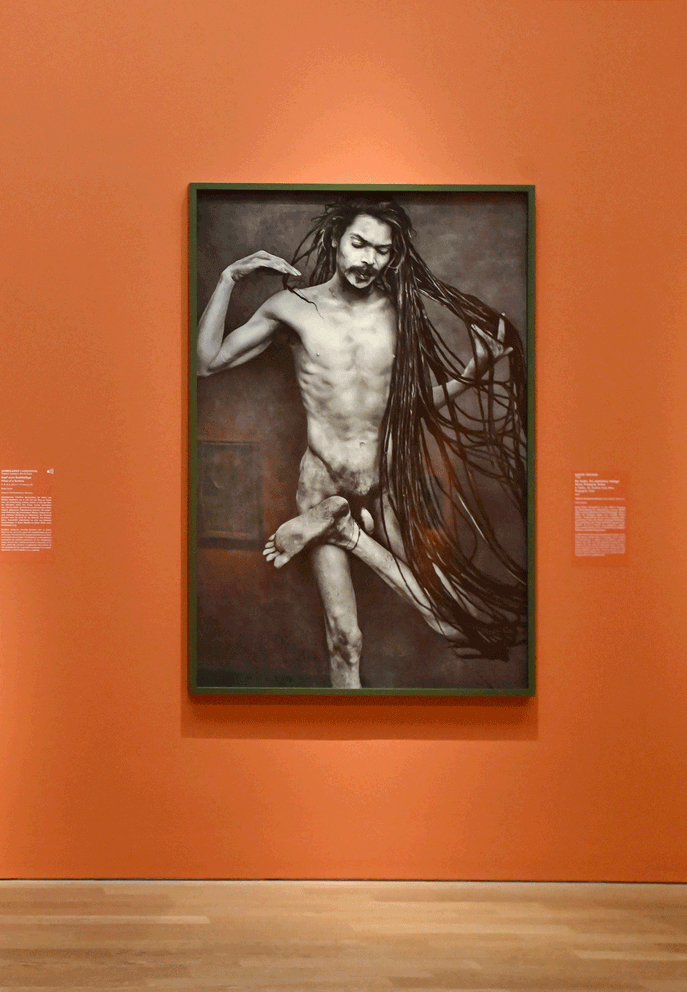
Sadhu, Kumbh Mela, Allahabad, India, 2019. Photograph by Mario Testino from Holy Men, part of A Beautiful World. Installed as part of Hair: Stories of Power and Passion, Kunsthalle München, 2026.
For much of his career, Testino shaped how fashion looks. In Holy Men, he turns his attention to how belief is lived. His role as photographer changes. Not director, not orchestrator, but witness. The image is no longer constructed. It is recognised.
That distinction carries weight. What is being recorded is not simply appearance, but a system of values that exists outside dominant structures of visibility. The sadhus are often reduced to symbols of extremity. Here, they are neither. They are individuals whose lives articulate a form of faith that is at once ancient and immediate.
Testino reflects, “It is impossible not to confront your own values when you see their example.”
In these portraits, the pose is replaced by presence. The sadhu does not perform for the lens; he permits it to witness a state of being shaped by belief. The ash on the skin, the pigments of the tilak, the marks of time, all form part of a visual language that predates the modern image.
By framing the sadhus as individuals rather than symbols, Testino creates a tension between collective identity and the persistence of the self. Even in total renunciation, individuality remains. A pair of glasses. A flower placed with care. A gesture that feels entirely personal.
“They have no belongings,” Testino has said, “but there is always something that reveals who they are.”
The timing of the work deepens its significance. Photographed in 2019, before the pandemic altered the nature of gathering and proximity, these images hold a moment that has since shifted. What remains is the record.
The work sits at the core of A Beautiful World, Testino’s ongoing study of identity, belonging and cultural expression. It returns to a central question: how are we shaped by what we inherit, and what happens when that inheritance is refused?
The sadhus offer one answer.
They step outside of origin, accumulation and permanence. Sustained by the generosity of others, they exist in a state that resists ownership, including ownership of the self. What replaces it is belief, absolute and uncompromising.
“Faith,” Testino has said, “and the desire to connect with something sacred which lies beyond us, are expressed in so many ways, even through dimensions of fear and sacrifice.”








In this body of work, and within Holy Men, expression is not interpreted. It is allowed to stand. And in doing so, the work repositions the image itself. Not as a surface to be consumed, but as a record to be held. Not as fashion, but as attention.
As these images enter institutional contexts such as Kunsthalle München, they reframe Testino’s legacy. Not only as a photographer of fashion, but as a recorder of cultural life, attentive to how belief, identity and tradition are carried through the body and across time.
What he captures here is not simply how these men look, but how they have chosen to live. A system of belief carried through the body, through time, through refusal. A way of being that exists outside the frameworks most of the world depends on.
And in that space, something rare becomes visible. Not spectacle. Not performance. But conviction, held long enough to be seen.