THE GIRL ACROSS THE STREET: MARIO TESTINO AND JACQUETTA WHEELER

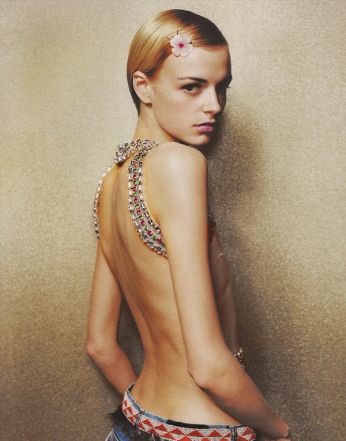
Mario Testino was in the back of a taxi travelling through Knightsbridge when he saw her.
On the opposite side of the street was a teenage girl with a newly cut crop, extraordinarily long proportions and a face that stopped him in his tracks. Testino had been living in London since 1976, absorbing the British fashion magazines and the models who filled them. Twiggy, in particular, had stayed with him.
“I always thought, only in England do you find girls like her,” Testino remembers.
And then, through the window of a moving taxi, there she was. Testino got out, crossed the street and approached her.
The girl was Jacquetta Wheeler. She was 17 and, as Testino remembers it, knew almost nothing about fashion. What caught his eye was not simply a resemblance to Twiggy, but something harder to define: the haircut, the elongated body, the languid proportions and an allure that he could already imagine becoming something else in front of a camera.
“She had just had the haircut done that caught my eye,” he says. “Her proportions were long and languid.”
Wheeler was less certain. She took his number and said she would think about it. Later, she told Testino that she had gone back to her hairdressers, mentioned that Mario Testino had stopped her in the street, and was immediately encouraged to contact him.
It is the kind of encounter that has become almost impossible to imagine in contemporary fashion, where new faces can arrive already photographed, followed and algorithmically visible. In 1998, discovery could still happen across a London street.
Wheeler's ascent was remarkably fast. Still a schoolgirl when Testino spotted her, at 17 she was soon walking 14 shows during her first Milan season, including Gucci, Dolce & Gabbana and Fendi. Major campaigns for Gucci, Prada, YSL, Burberry and Chanel followed, and in 1999 The Face named her its Model of the Millennium.

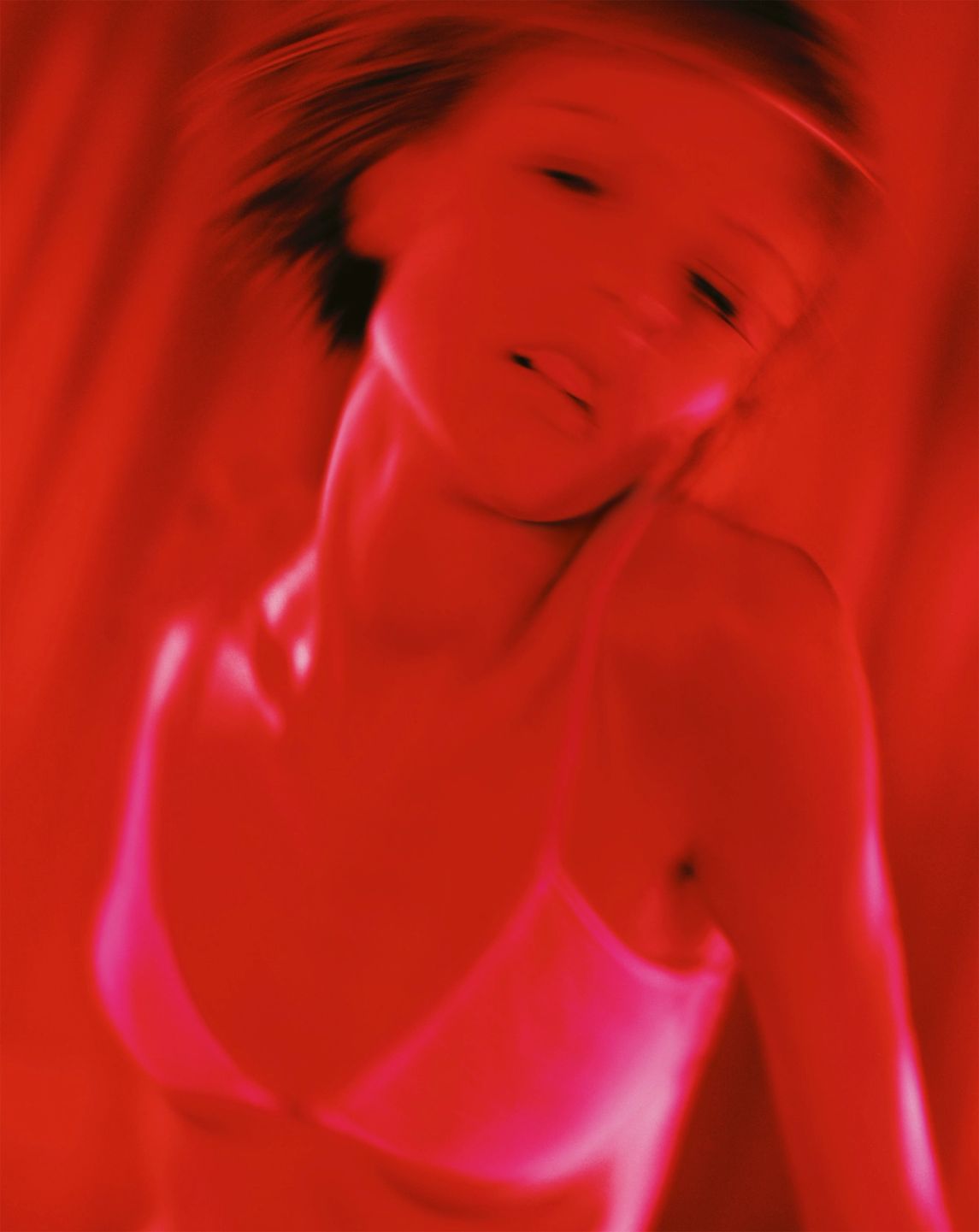
Jacquetta Wheeler. Photograph by Mario Testino.

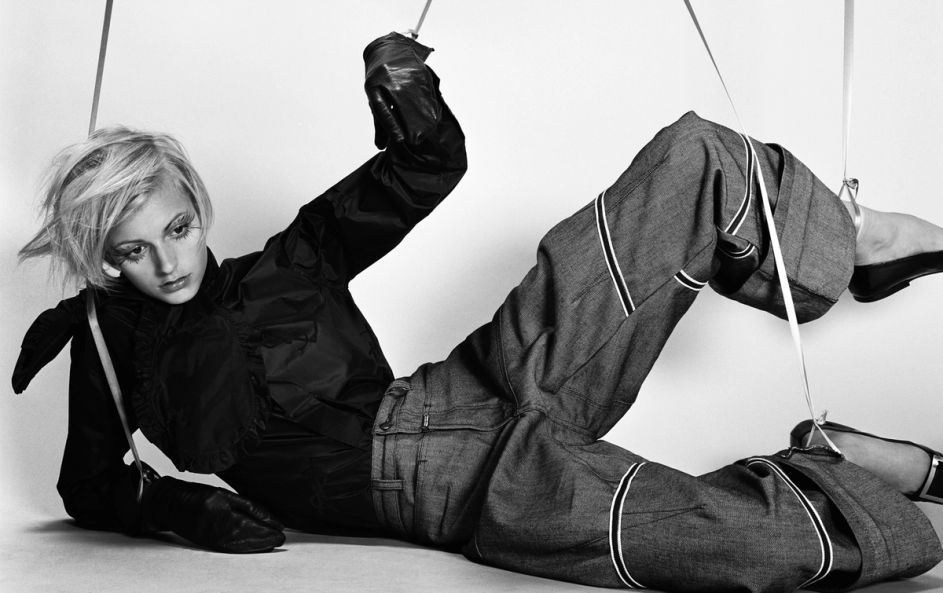
Jacquetta Wheeler, Vogue France. Styled by Carine Roitfeld. Photograph by Mario Testino.

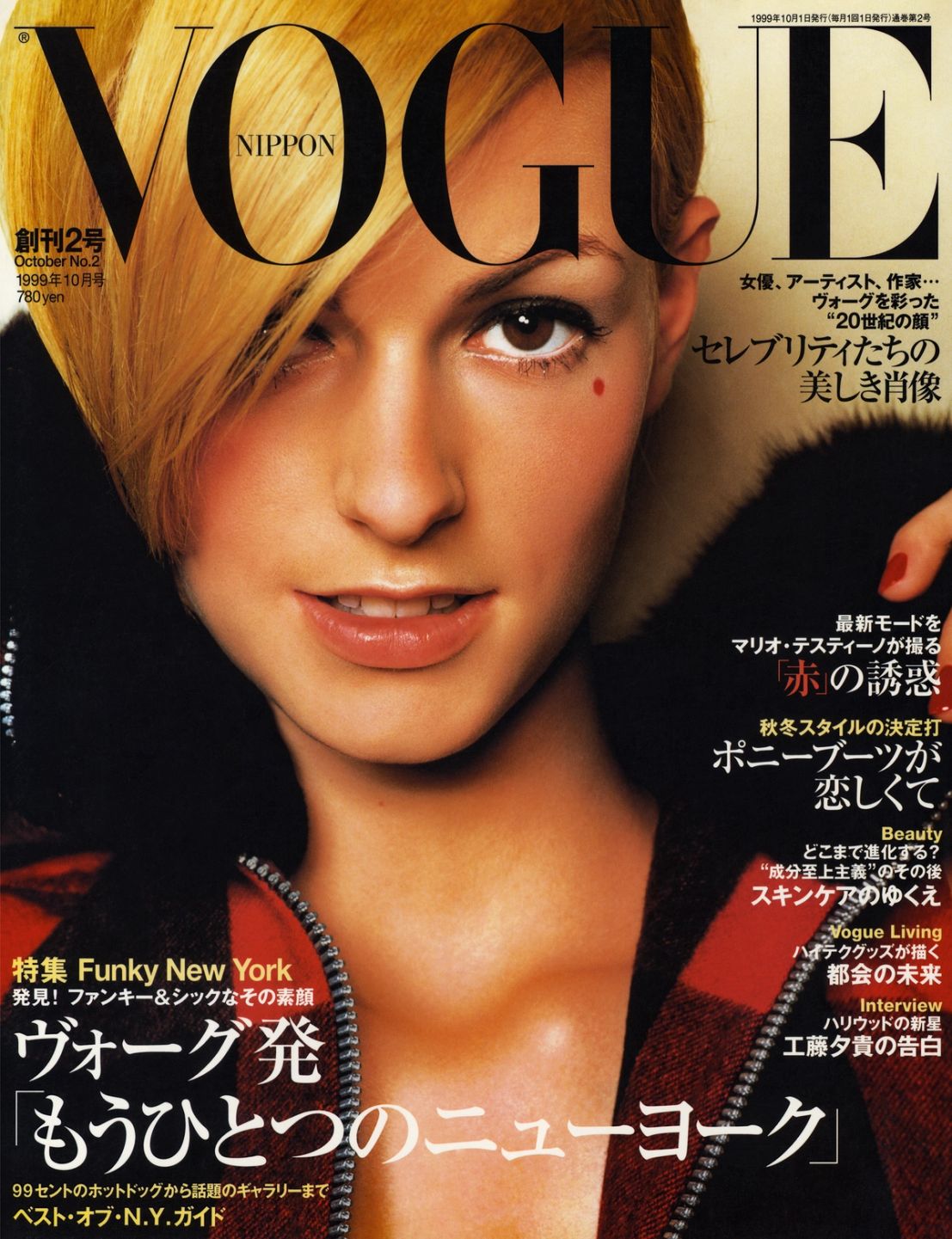
Jacquetta Wheeler, Vogue Nippon, October 1999. Photograph by Mario Testino.

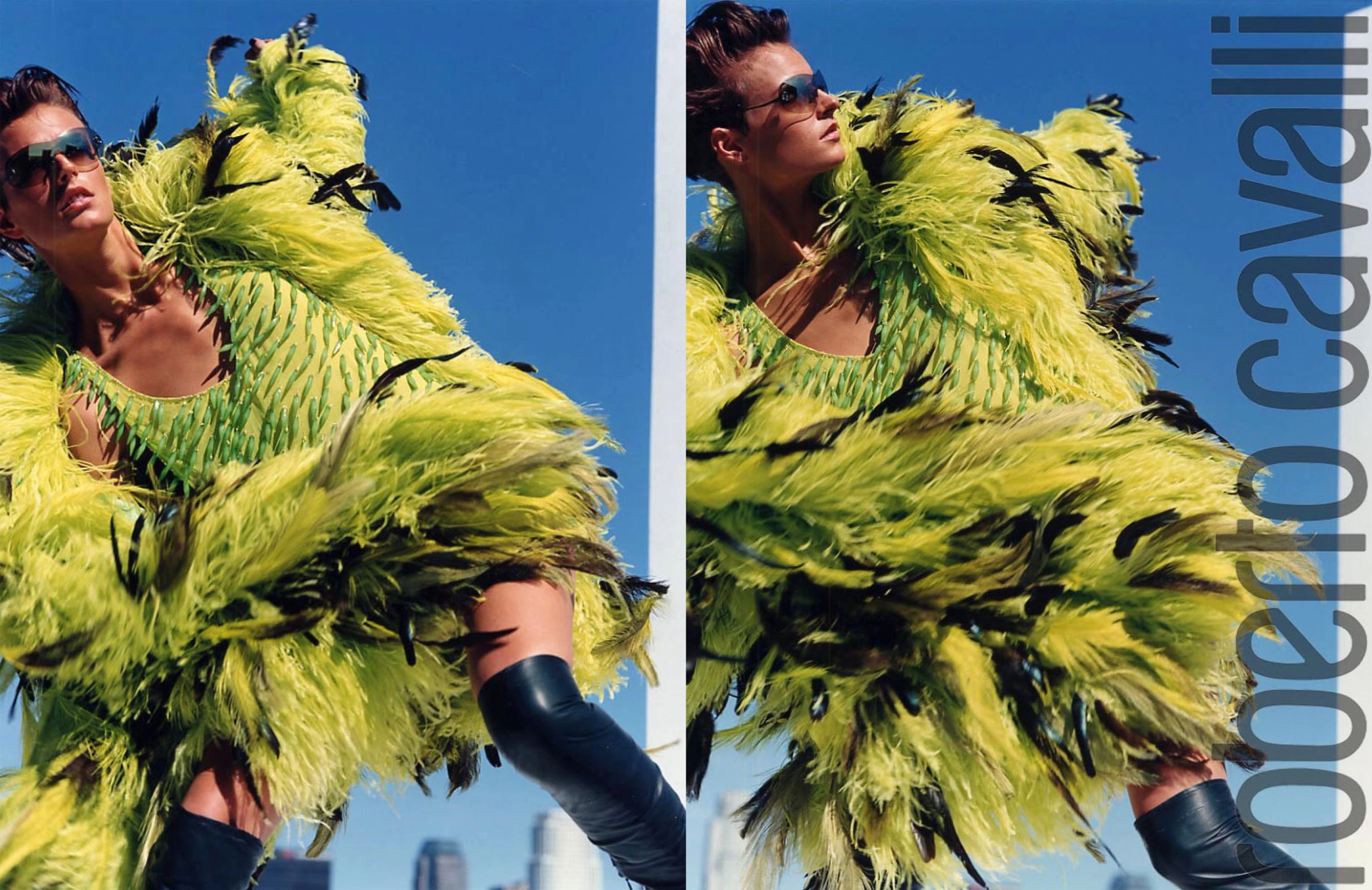
Jacquetta Wheeler for Roberto Cavalli, Fall/Winter 2003. Photograph by Mario Testino.

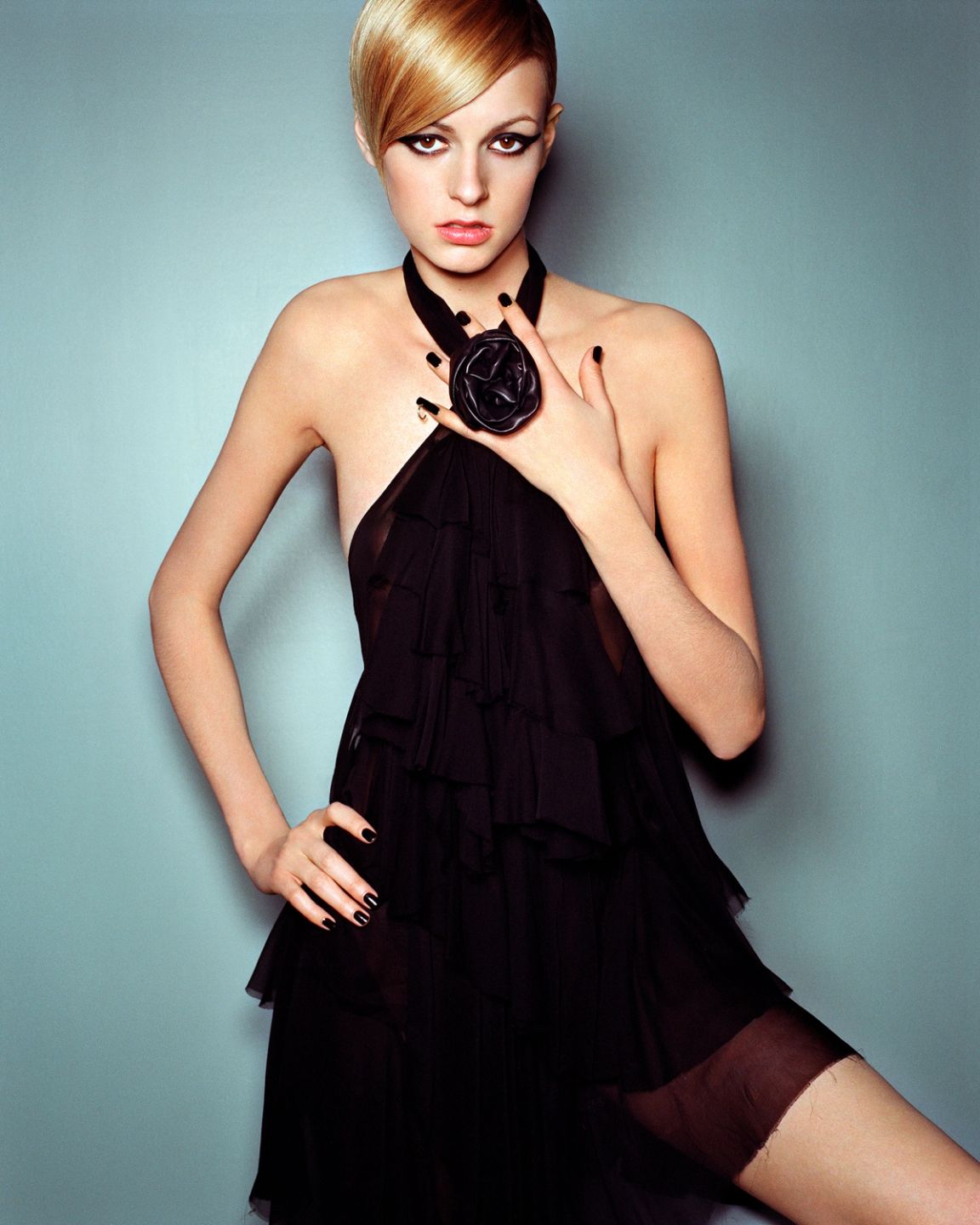
Jacquetta Wheeler for Gucci, Spring-Summer 1999. Photograph by Mario Testino.

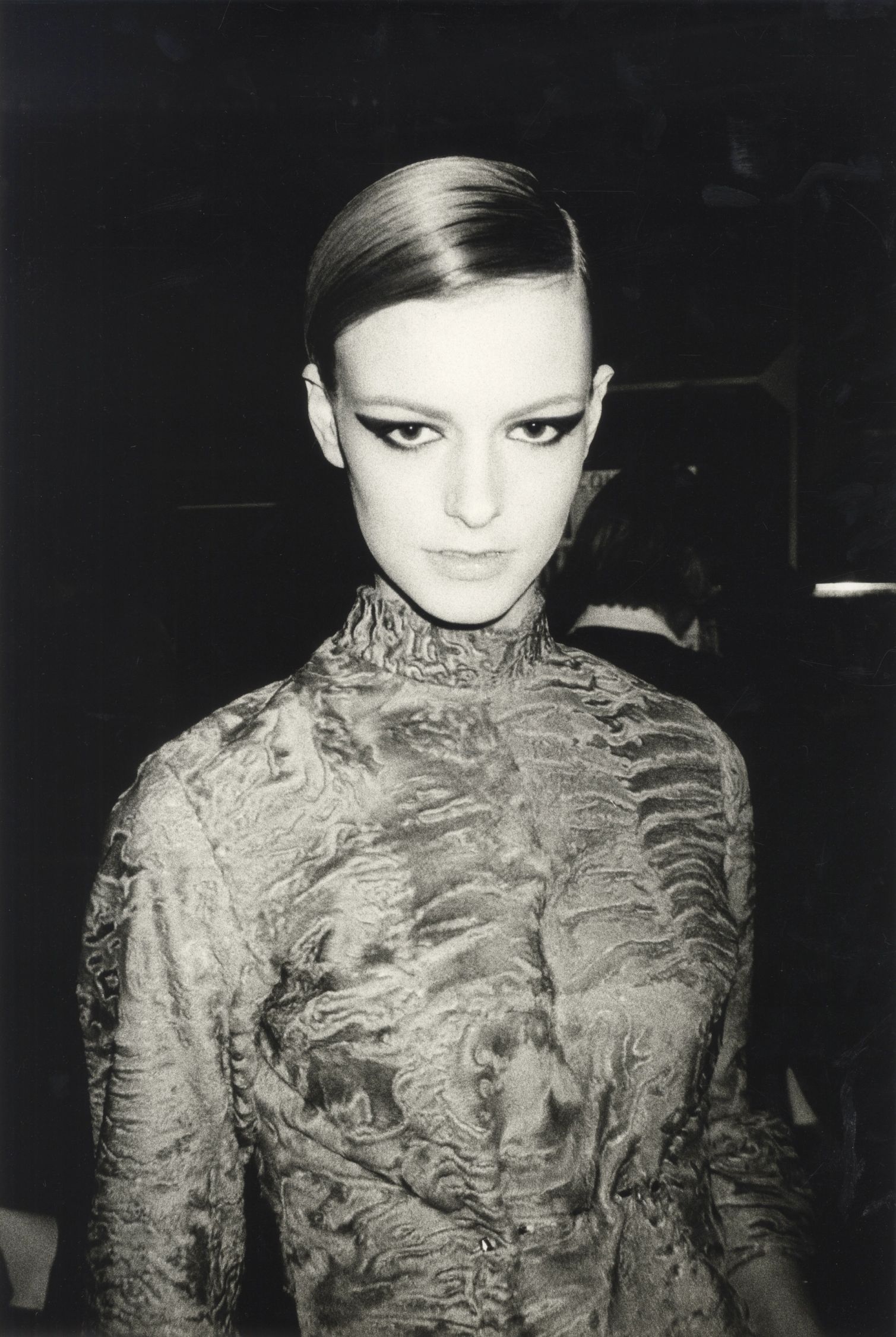
Jacquetta Wheeler. Photograph by Mario Testino.

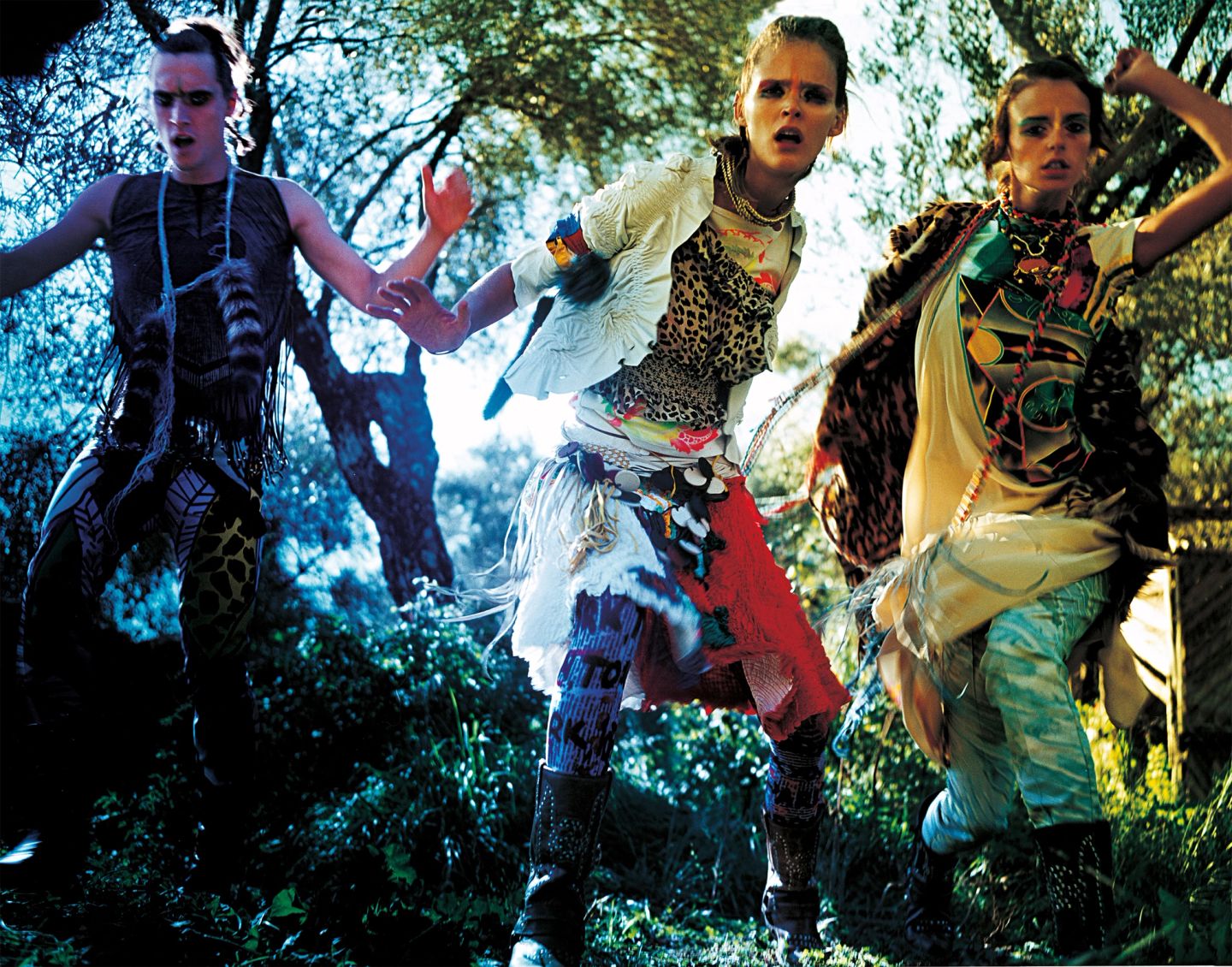
Jacquetta Wheeler and Karmen Pedaru, “Wild Things,” British Vogue, 2003. Styled by Lucinda Chambers. Photograph by Mario Testino.

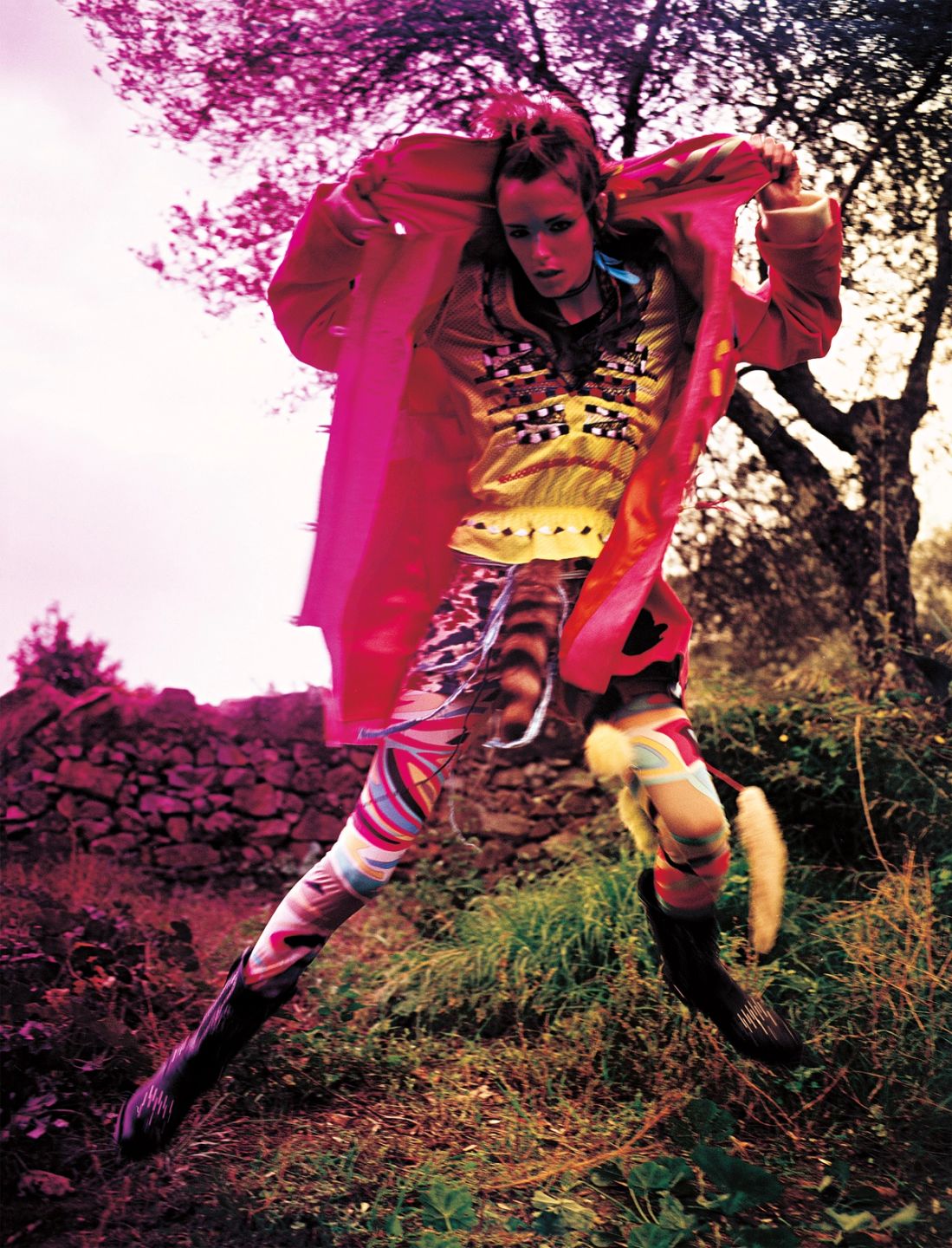
Jacquetta Wheeler, “Wild Things,” British Vogue, 2003. Styled by Lucinda Chambers. Photograph by Mario Testino.
But Testino remembers something the career summaries tend to leave out: at first, it did not all work. He introduced Wheeler to Tom Ford at Gucci. Ford saw what Testino had seen and put her into his next show. Then came the runway.
“Sadly she did not really master the catwalk,” Testino remembers. “People that knew I had found her looked at me as if I had got it wrong.” He had not. Testino told Wheeler that she needed to learn how to walk. She did. By the following season, he remembers watching with surprise as she opened shows and became one of the models designers wanted on their runways.
That transformation says something important about the mythology of the model. Fashion likes the idea of discovery as an instantaneous event: someone is found, a camera turns towards them and suddenly they are a star. The reality is more complicated. Being seen is only the beginning.
For Testino, recognising potential has always been inseparable from the work required to draw it out.
Throughout his career, Testino has been drawn both to discovering new models and to reinventing those already familiar to fashion. A face could be known to the industry and still contain an image nobody had found yet. The photographer's task was not simply to record what stood before him, but to recognise possibility.
One model once articulated that responsibility to him directly.
“Photographers put you in front of the seamless and expect you to know what to do,” Testino recalls her telling him. “But really it is the photographer's responsibility to bring it out of the model. To show her what you need to make a picture be everlasting.”
It is an unusually revealing way of understanding the relationship between photographer and model. The image is neither entirely found nor entirely manufactured. It is made between two people.
With Wheeler, that process became a sustained collaboration. Testino photographed her for Gucci over several seasons during one of the defining periods of the house under Tom Ford. Ford, Testino and Carine Roitfeld were closely involved in choosing the women who would inhabit the Gucci campaigns, and Wheeler became part of the visual language they were constructing around the brand.

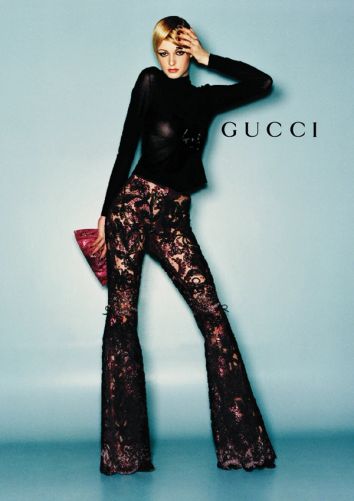
Jacquetta Wheeler for Gucci. Photograph by Mario Testino.
“I loved her allure and photographed her as much as I could,” Testino says.
The attraction was not to one fixed version of her. It was precisely the opposite. Wheeler's early image carried the gamine quality that had first made Testino think of Twiggy. But working with Roitfeld, whose ideas Testino remembers as continually pushing the photographs somewhere new, that first incarnation of Jacquetta would soon give way to another.
Roitfeld proposed a transformation. Having taken the Twiggy resemblance as far as they could, Testino recalls her saying: “Let's give her fake breasts and make her very sexy.”

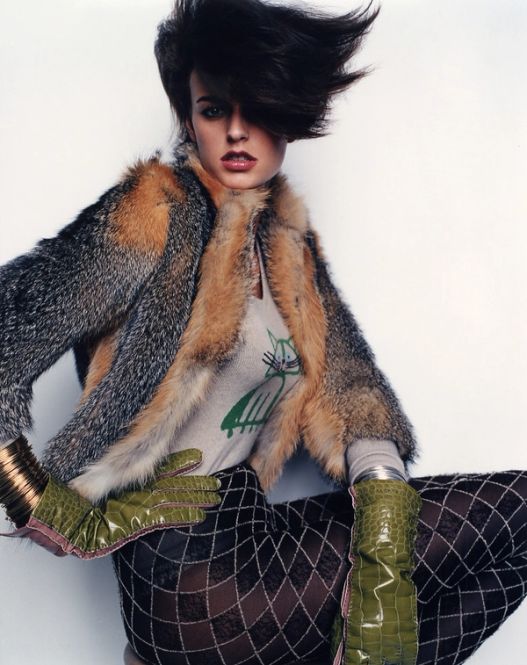
Jacquetta Wheeler, Vogue Hellas, November 2003. Styled by Carine Roitfeld. Photograph by Mario Testino.
They laughed, but what happened in front of the camera fascinated Testino. Change the silhouette and something else changed with it. Wheeler held herself differently. Her attitude shifted. The body altered the character.
“It is incredible how it changes the demeanour of a girl,” Testino says. “The body and attitude had changed for the pictures, but to us Jacquetta was still the young girl we had been working with.”
That ability to transform without disappearing may explain why Wheeler proved so compelling. Across their work together, she moves through different versions of herself: gamine and glamorous, elongated and sculptural, playful, severe, sensual, almost aristocratic. Across editorials and campaigns, Testino repeatedly returned to the same face without asking it to remain the same.
What Testino recognised instinctively would soon become impossible for fashion to overlook.
Wheeler became one of the defining British models of her generation. Karl Lagerfeld described her in 2003 as one of the greatest models working at the time, comparing her face to a Roman vase and praising a beauty that resisted the conventional. She continues to appear within British fashion, part of a generation whose influence has outlived the seasons in which they first emerged.
British fashion at the turn of the millennium now feels almost like a constellation: Kate Moss, Stella Tennant, Naomi Campbell, Erin O'Connor, Karen Elson, Jacquetta Wheeler and others moving between magazines, campaigns and runways as London asserted a particular kind of irreverent glamour on the world. Testino photographed many of them. A 2001 portrait in the National Portrait Gallery collection, British Models dressed by British Designers, places Wheeler within that wider generation.
But her story with Testino begins before any of that. Before the campaigns. Before The Face. Before the runways she had to learn how to walk. Before the industry knew what to do with her.
It begins with somebody looking out of a taxi window.
Photography is often discussed in terms of the decisive moment: the fraction of a second in which the shutter turns seeing into an image. But there is another decisive moment that happens before the camera is raised. It is the moment a photographer decides that something is worth looking at.

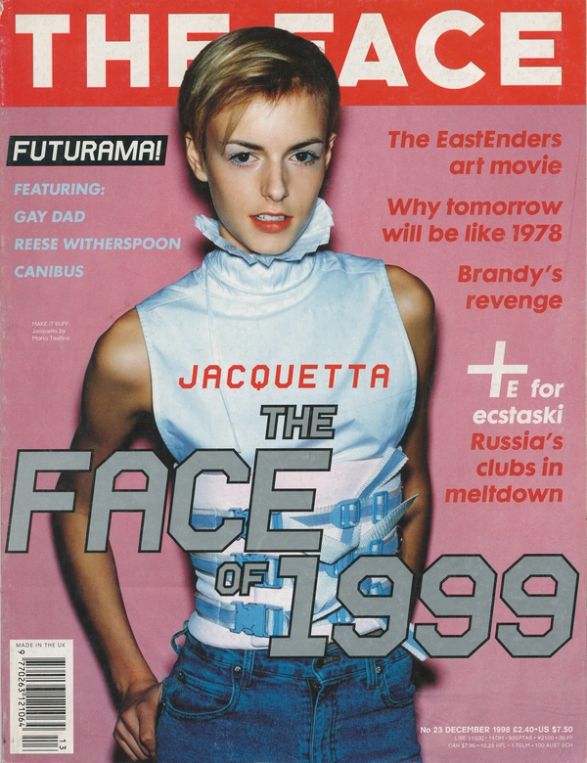
Jacquetta Wheeler, The Face, December 1998. Photograph by Mario Testino.

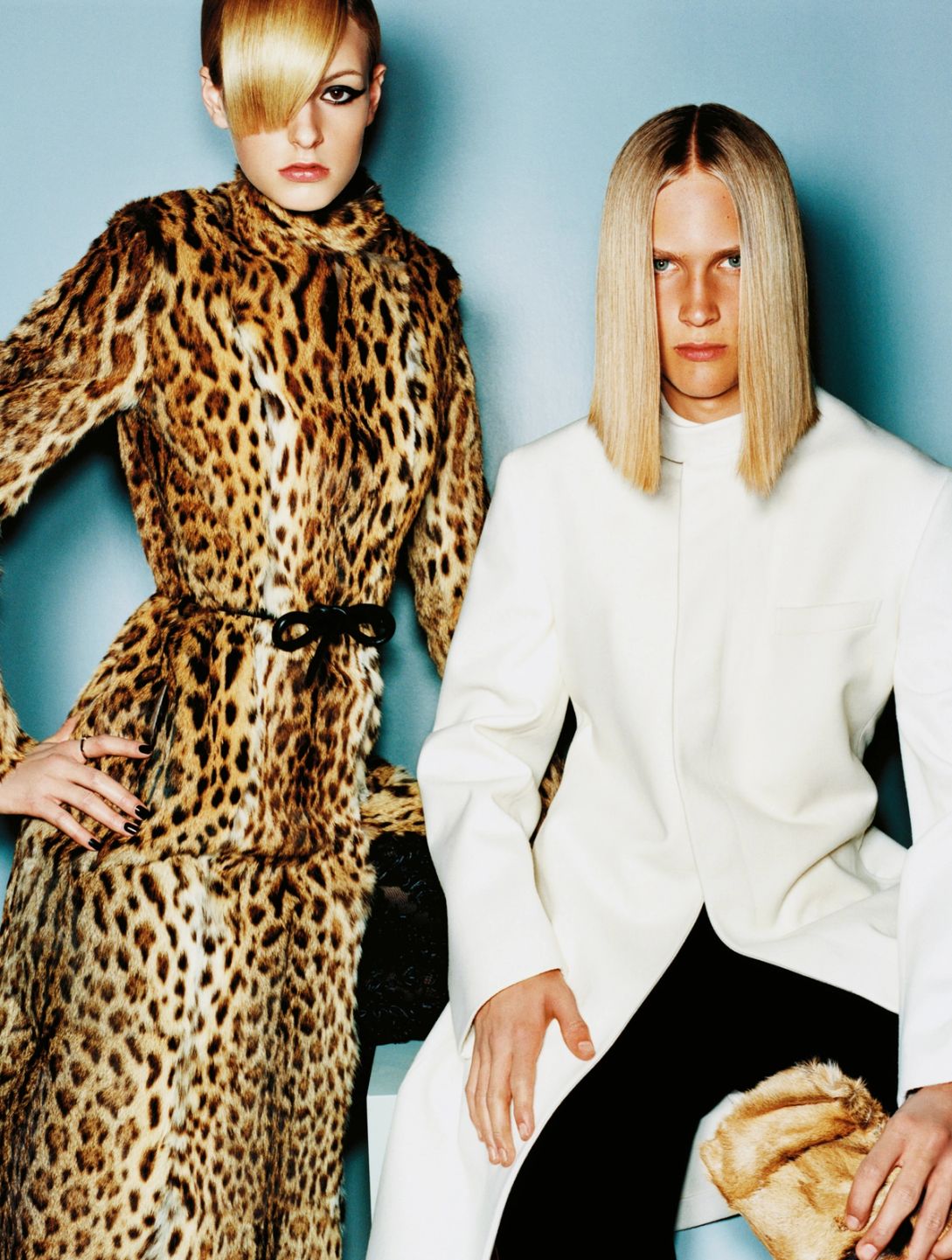
Jacquetta Wheeler for Gucci, Fall-Winter 1999. Photograph by Mario Testino.

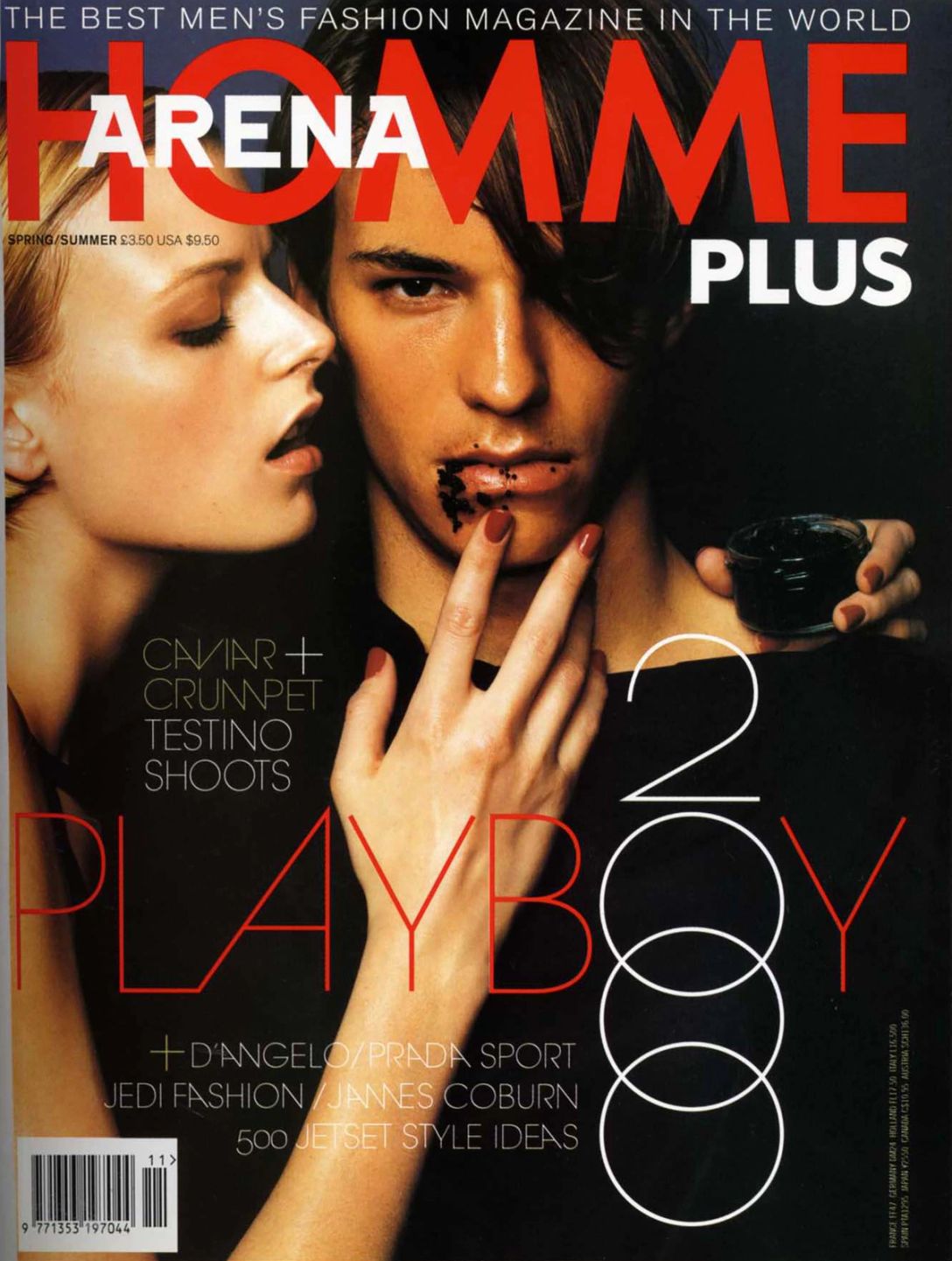
Jacquetta Wheeler, Arena Homme Plus. Photograph by Mario Testino.

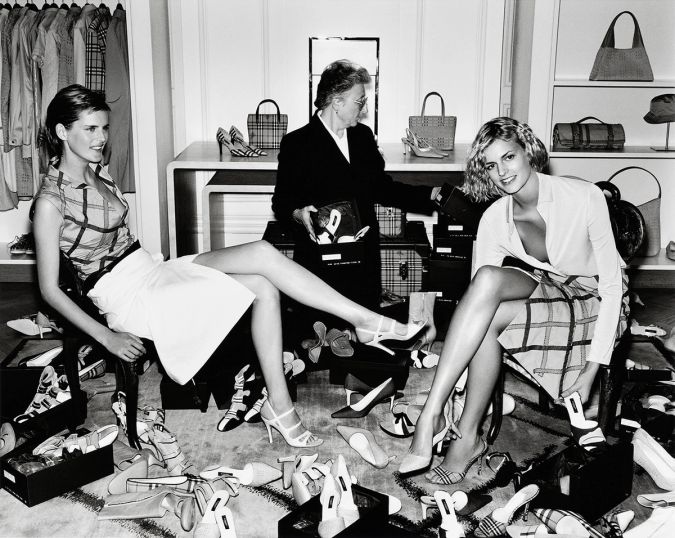
Stella Tennant and Jacquetta Wheeler for Burberry Prorsum, 2001. Photograph by Mario Testino.

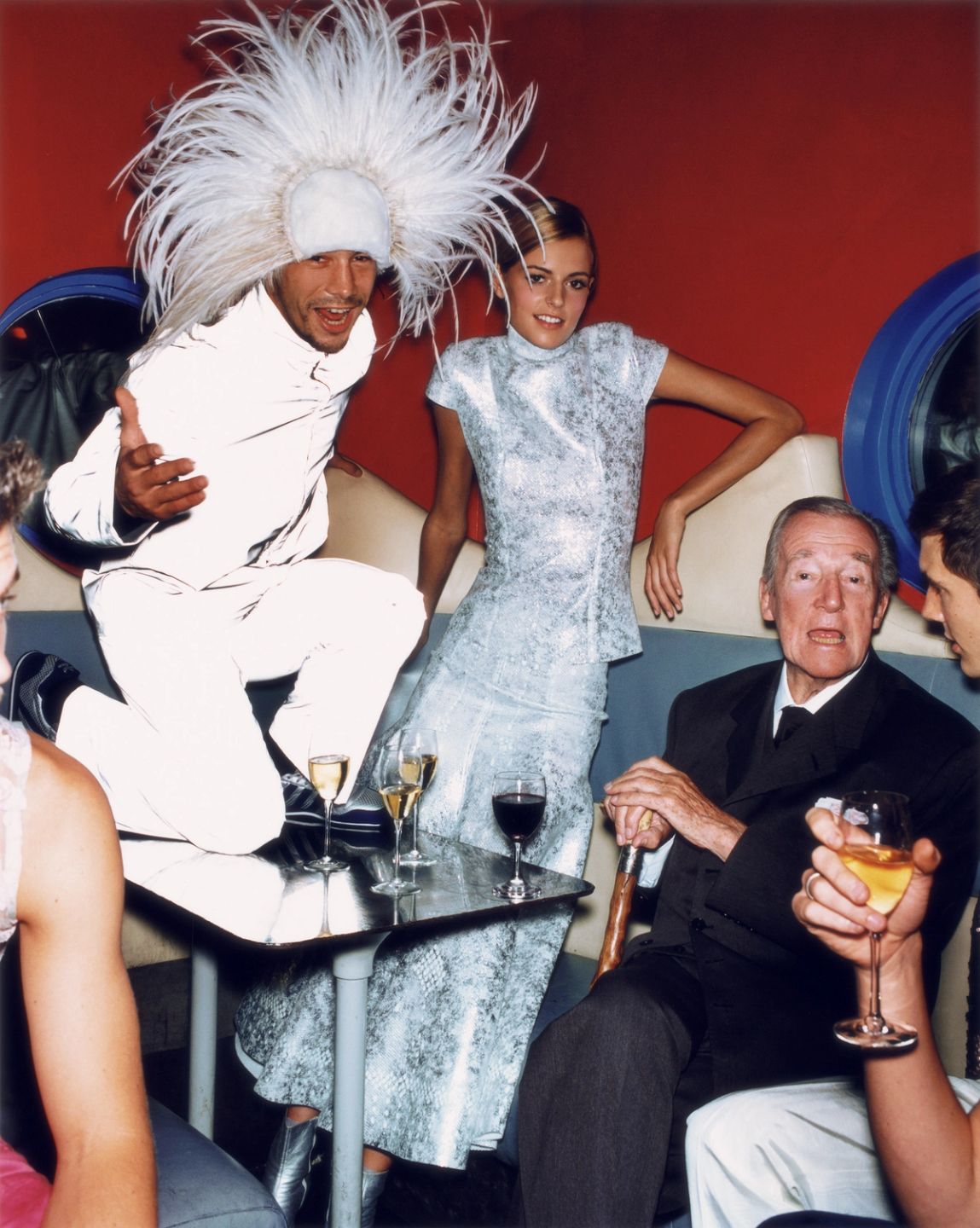
Jacquetta Wheeler, Jay Kay and Sir Hardy Amies, London, British Vogue, December 1999, “The Party’s Just Begun.” Photograph by Mario Testino.

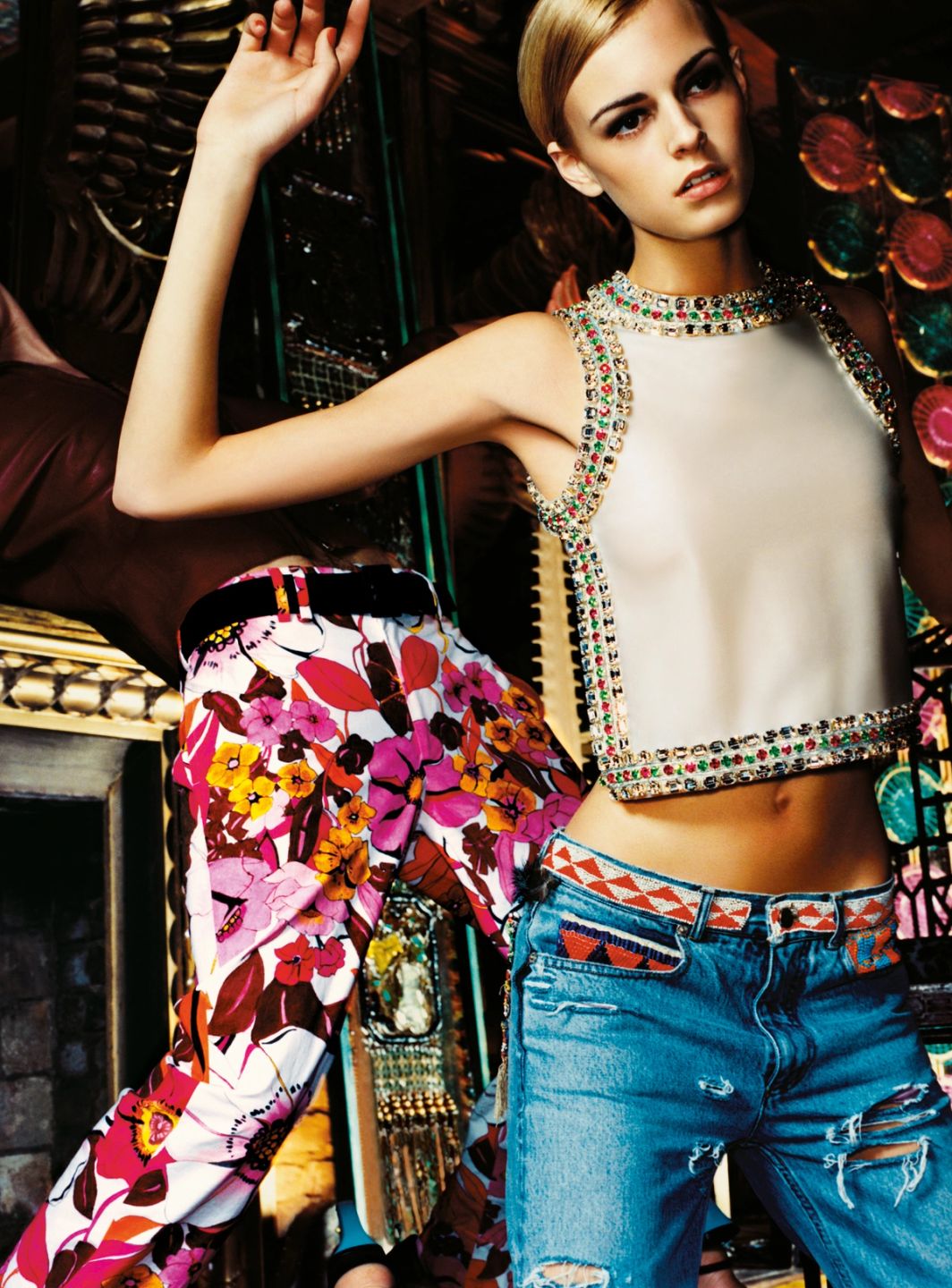
Jacquetta Wheeler for Gucci. Photograph by Mario Testino.

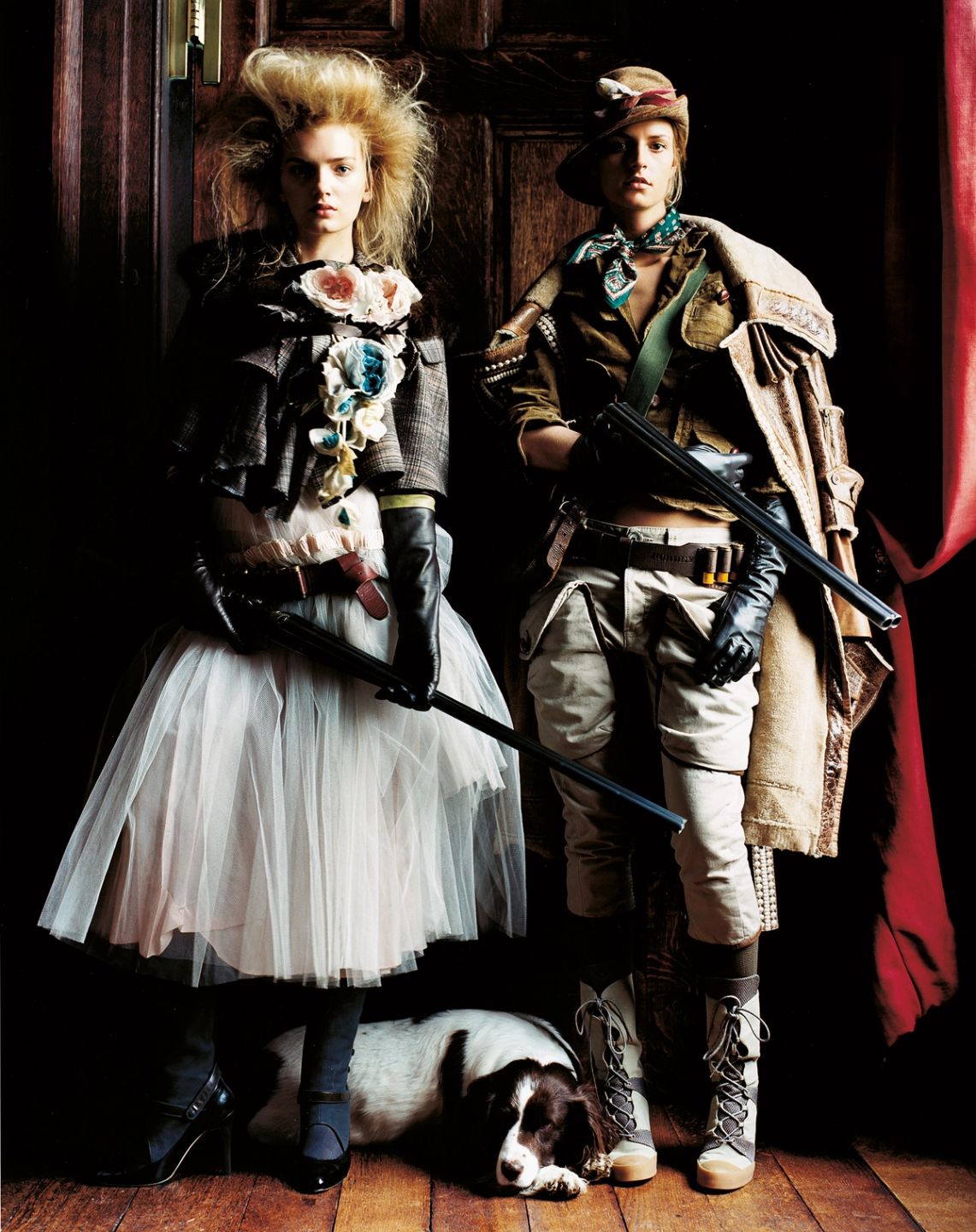
Jacquetta Wheeler, British Vogue. Styled by Lucinda Chambers. Photograph by Mario Testino.

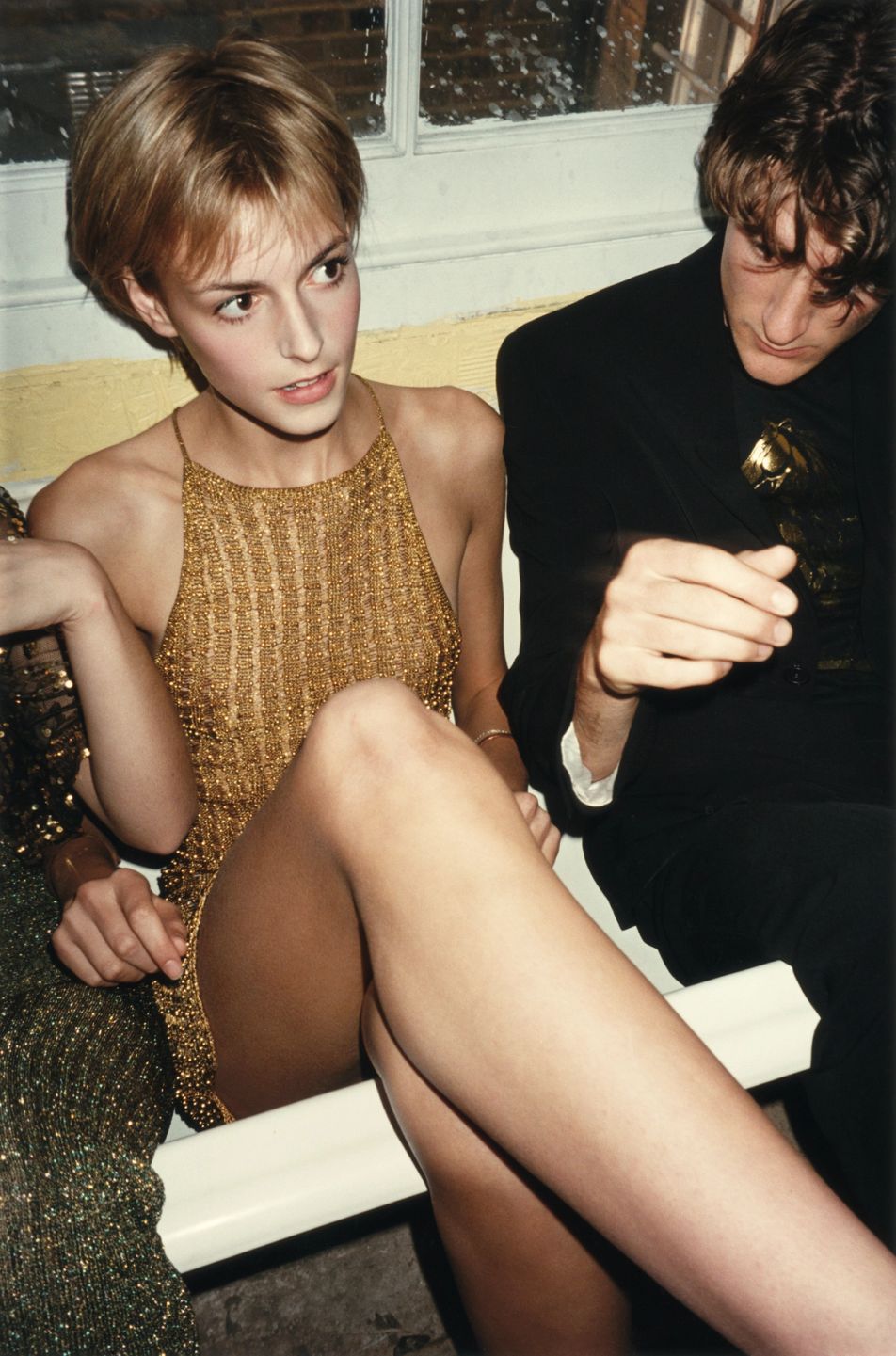
Jacquetta Wheeler. Photograph by Mario Testino.
For Testino, it has always begun there. Not with certainty, but instinct.
What followed that first encounter became something larger than discovery. Across years of editorials and campaigns, Testino and Wheeler developed a photographic language built on trust, experimentation and transformation. He had recognised something in her before fashion had given it a name, but their work together was never about preserving that first impression. It was about continually moving beyond it, finding another attitude, another character, another possibility within the same person.
More than twenty-five years later, Wheeler's face remains unmistakable. The crop changed. Fashion changed. The girl who had to learn the catwalk became one of the models who helped define an era.
But the quality Testino noticed before any of it happened was already there. “Jacquetta really had it!” he says. Sometimes a career begins with everybody looking. This one began because one person did.