TWENTY YEARS LATER, WE STILL SEE LIGHT BLUE: INSIDE MARIO TESTINO'S DOLCE & GABBANA CLASSIC

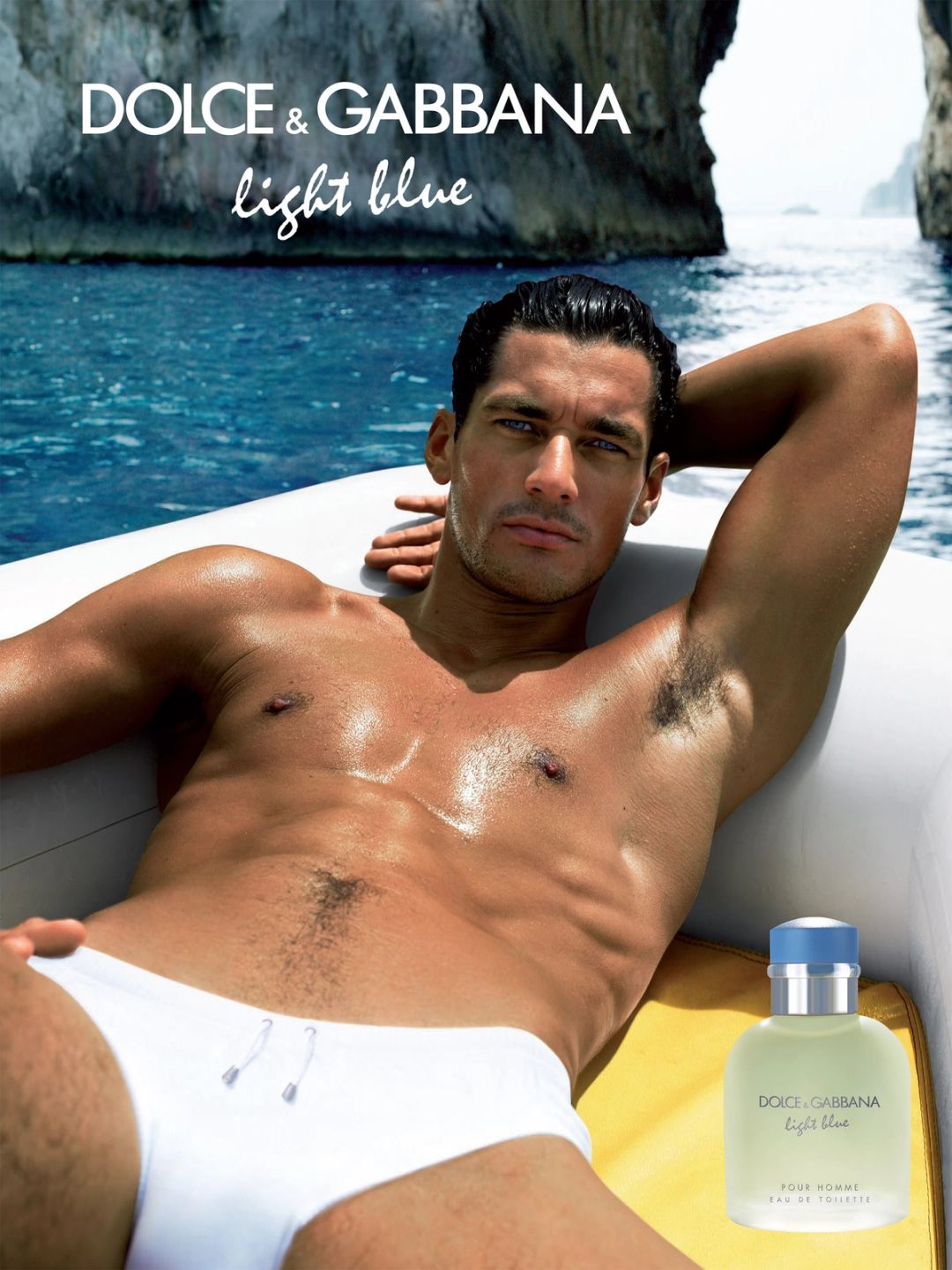
Twenty years ago, a man stood barefoot on the edge of a white inflatable boat off the coast of Capri.
Behind him, the Faraglioni rose from the sea like ancient monuments. Around him, the Mediterranean shimmered in impossible shades of blue. He wore a white speedo. Beside him sat a woman in a white bikini. The boat was white too.
There was nowhere else for the eye to go. Everything unnecessary had fallen away.The photograph was created to launch a fragrance. Twenty years later, it has become something else entirely.
Even people who have never owned a bottle of Dolce & Gabbana Light Blue often recognise the image instantly. They remember the water before they remember the perfume. They remember the rocks before they remember the brand. They remember a feeling before they remember an advertisement.
Advertising is designed to capture attention. Most of it disappears almost as quickly as it arrives. Seasons change. Campaigns are replaced. Images fade into the endless churn of newer ones.
Light Blue did not. Two decades later, the campaign remains widely recognised, continuing to occupy a distinctive place in the visual memory of luxury advertising.
Its story began with a phone call. In 2006, Mario Testino received a call from Stefano Gabbana. Dolce & Gabbana were preparing to launch a new fragrance called Light Blue and had a simple brief. The campaign had to be photographed near the Faraglioni in Capri. The blue of the sea needed to embody the spirit of the perfume.

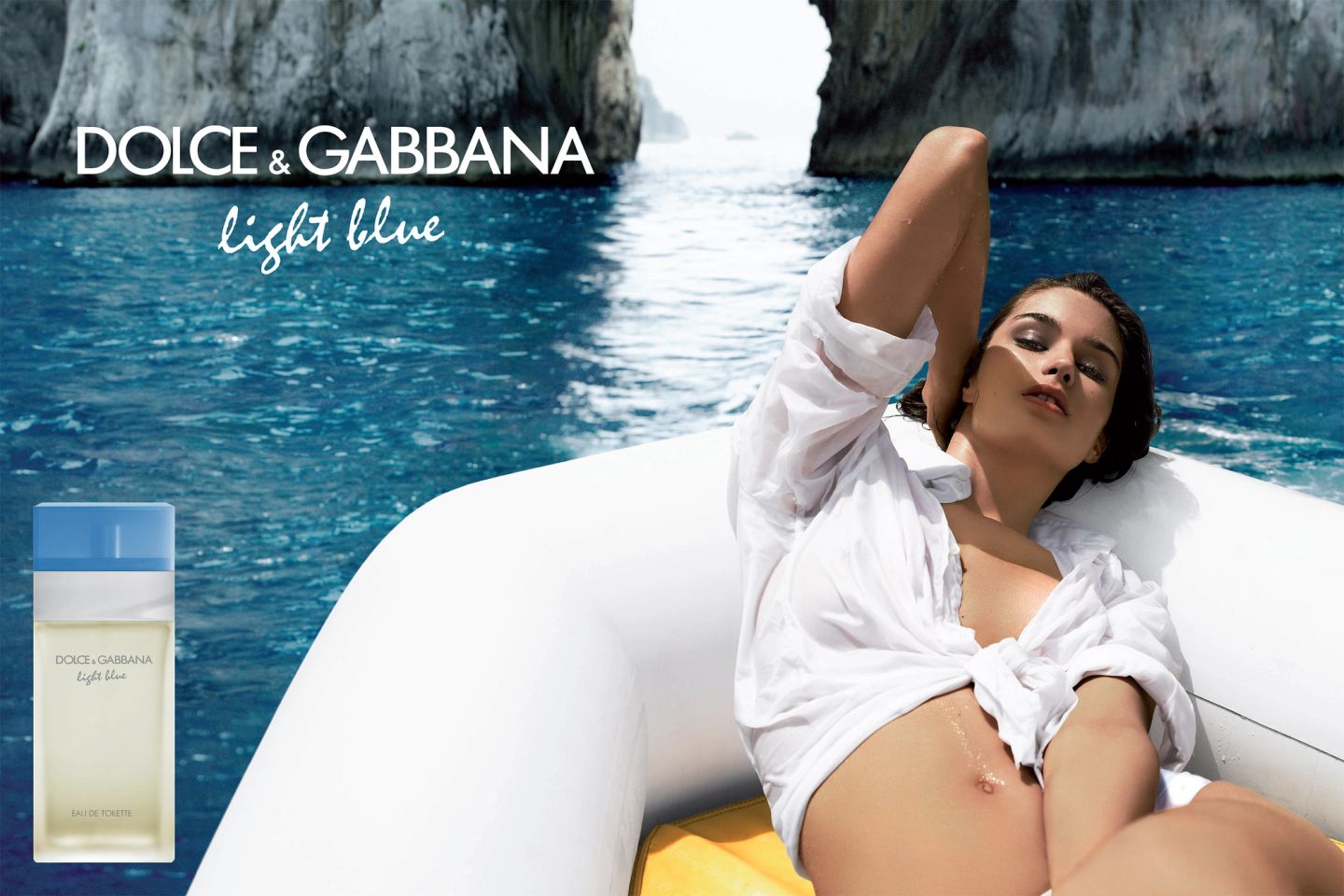
Marija Vujovic in the original Dolce & Gabbana Light Blue campaign, photographed by Mario Testino in Capri.
At first glance, it sounds straightforward. A beautiful location. Beautiful models. A luxury fragrance. Yet the simplicity of the image would come to define the campaign. Testino photographed David Gandy against the backdrop of Capri and the resulting image quickly became the foundation of a campaign that would continue to evolve over the following two decades. What followed unfolded in ways he hadn't anticipated. Six months later, Dolce & Gabbana called again. They wanted him to direct the film.
There was only one problem: he had never directed a commercial.
"I was a bit doubtful," Testino recalls. "But I decided to go for it." His first instinct was not to think about advertising. It was to think about cinema.
He called his friend John Mathieson, the celebrated cinematographer behind Gladiator. Testino had admired the scale, atmosphere and visual power of Mathieson's work and felt that Capri deserved the same treatment.
"The Faraglioni and Capri are really majestic when you're there," he says. "I felt that the film needed to convey that."
That decision helped establish the visual language that would shape the campaign in the years that followed. The campaign placed equal emphasis on atmosphere, location and narrative, expanding beyond the conventions typically associated with fragrance advertising at the time. Rather than presenting a product, it created a world.
At the centre of that world stood David Gandy. Looking back, Testino recognised something that others had not yet fully articulated. "There hadn't been a male model for quite some time that had become a star like in the 1980s," he says. "I thought of David as the return of the super male model."
Gandy represented something different. He combined classical masculinity with a distinctly modern confidence. He felt both familiar and new.
Testino had already begun photographing him for other assignments, sensing what he describes as a new quality of stardom. Light Blue would become the defining collaboration of that period.

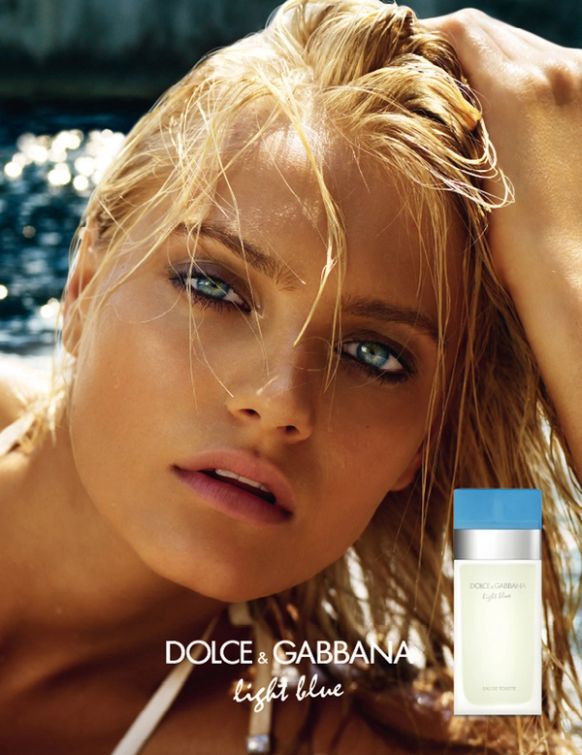
Anna Jagodzinska joined David Gandy for the 2009 chapter of Dolce & Gabbana Light Blue.

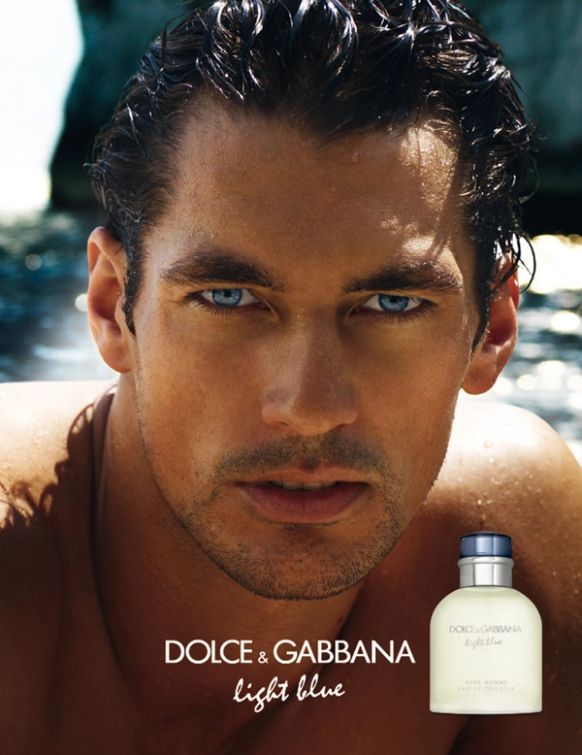
David Gandy returned as the face of Light Blue in the 2009 campaign photographed by Mario Testino.

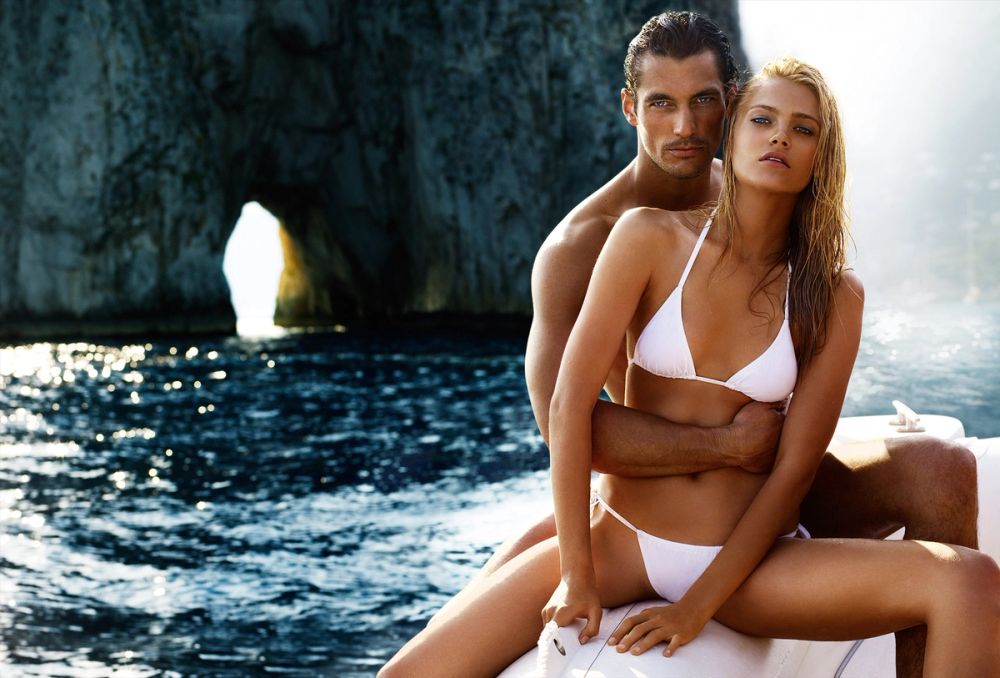
David Gandy and Anna Jagodzinska in the 2009 Dolce & Gabbana Light Blue campaign.

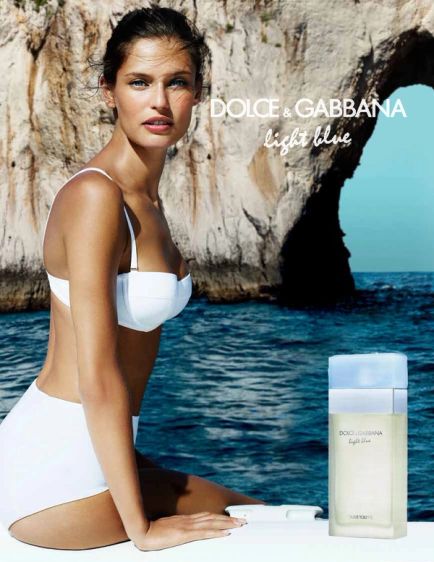
Bianca Balti became the new female lead of Light Blue in 2013.

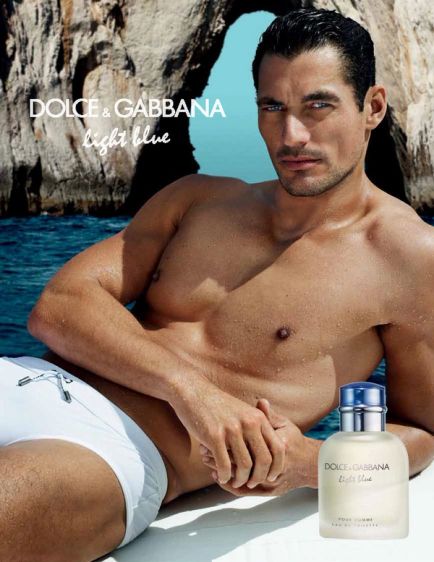
David Gandy returned once again for the 2013 chapter of Light Blue.

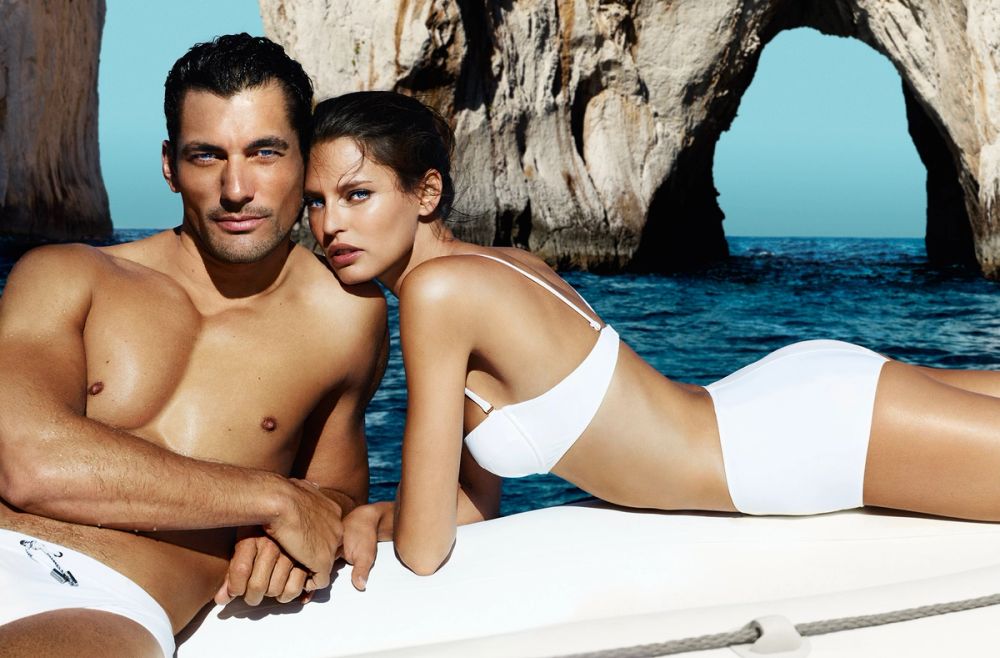
David Gandy and Bianca Balti in the 2013 Dolce & Gabbana Light Blue campaign.
Yet one of the reasons Light Blue endured is that it never depended on a single face. While Gandy became the campaign's constant presence, the women around him changed with each chapter. Marija Vujović appeared in the original 2006 campaign. Anna Jagodzińska followed in 2009. Bianca Balti would become one of the campaign's defining figures, starring in both the 2013 and 2017 iterations. The cast evolved, but the atmosphere remained the same. Each woman brought a different energy to Capri's waters, yet all inhabited the same world of sun, sea, intimacy and escape. The continuity lay not in the cast, but in the feeling the campaign returned to again and again.
The campaign's visual language was remarkably restrained. The woman wore white. Gandy wore white. The Zodiac dinghy was white. The colours were deliberately reduced until almost everything disappeared except the essentials.
From the beginning, Light Blue was a collaborative undertaking. Patrick Kinmonth, one of Testino's closest creative collaborators, shaped the set design and helped establish the campaign's original visual narrative, while Charlotte Tilbury created the make-up and Sam McKnight the hair. Later, John Mathieson's cinematic eye would help define the films. Over the years, other leading creative voices, including Anastasia Barbieri, Linda Cantello, Val Garland, Marc Lopez and Christian Houtenbos, contributed new interpretations while preserving the campaign's distinctive visual language.
The Mediterranean became more than a backdrop. It became part of the story. The image distilled Capri into something almost mythological, transforming a specific place into a universal fantasy of summer, intimacy and escape.
When the campaign moved from photography into film, Testino pushed the idea even further. His vision centred on a couple escaping from a larger yacht aboard a smaller dinghy, searching for a moment of privacy away from the world around them. The tension came not from action but from proximity. They were alone, yet never entirely alone.
Somewhere in the distance, another boat drifted across the water. A song could be heard. Not loudly. Just enough.
"You were aware that somebody could be looking at you," Testino remembers. "So you were being careful."
The song he chose was Parlami d'Amore Mariù, a classic Italian standard whose emotional resonance had endured for generations. What fascinated him was not merely the song itself, but what it represented. "There is something wonderful about Italy," he says. "The music lingers through the years. Everybody still knows the words. Everybody knows how to sing it." The detail transformed the film.
Suddenly, Light Blue was no longer just about desire. It was about memory. About place. About the way culture survives through repetition, ritual and collective experience.
Looking back now, this may be one of the reasons the campaign continues to resonate. Beneath the romance and sensuality sits something deeper: an attention to place. Capri is not treated as scenery. It is treated as a living cultural landscape with its own rhythms, traditions and emotional associations. Throughout his career, whether photographing fashion, royalty, artists or communities around the world, Testino has repeatedly returned to the relationship between people and place. Light Blue may have begun as a fragrance campaign, but it was also an exercise in translating the spirit of a location into images that could travel far beyond it.
The most revealing moment arrives at the end of the film. A clapperboard enters the frame. Cut. The illusion is broken. The audience realises that what they have been watching is not quite what they thought it was.

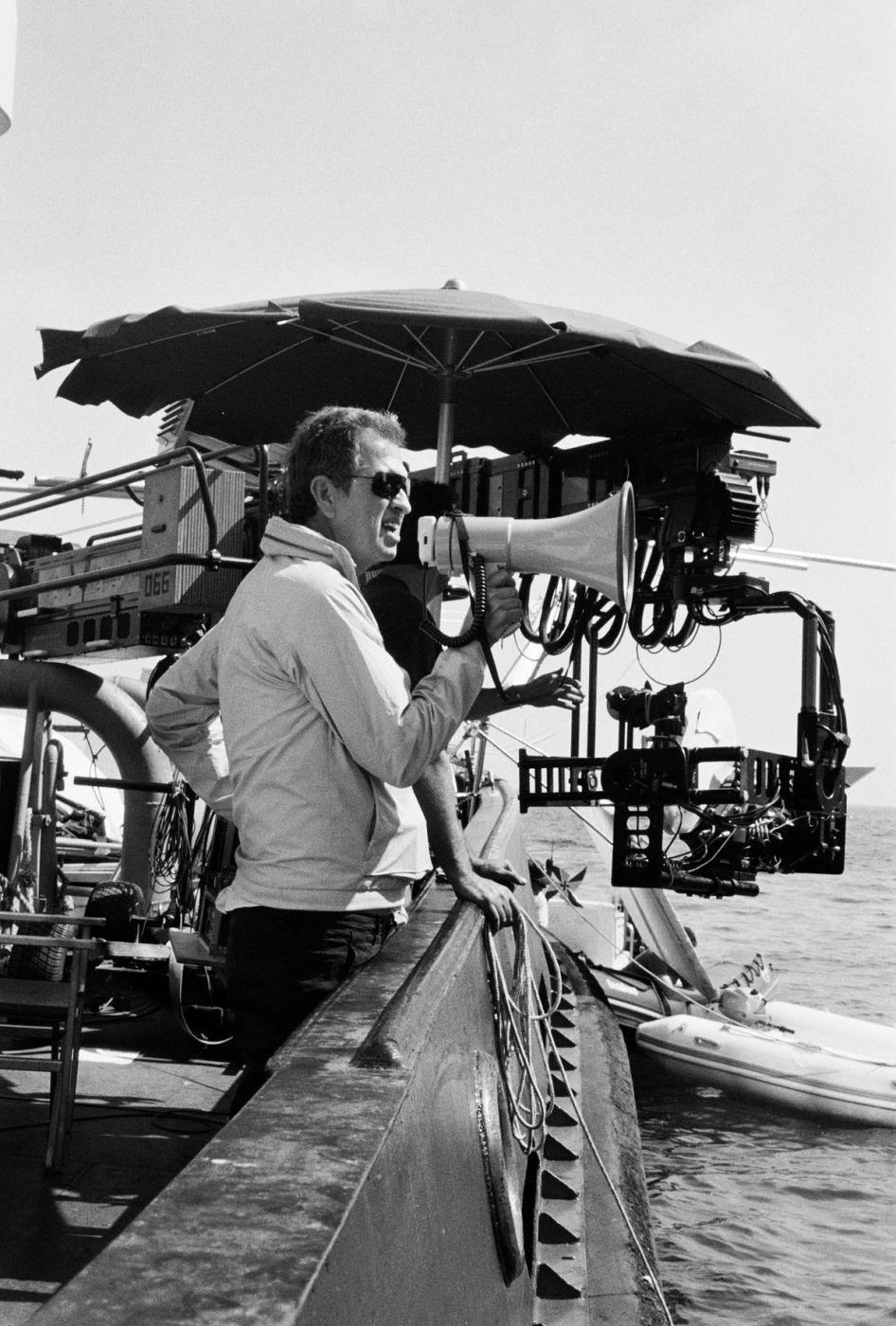
Mario Testino on set during the production of Dolce & Gabbana Light Blue in Capri in 2006.
For Testino, this was central to the idea. "I've always had this idea of trying to make selling something less obvious and more discreet."
One reason Light Blue continues to resonate is that it rarely behaved like advertising. Rather than telling audiences what to desire, it invited them into a story. Rather than selling a product, it created an atmosphere. Rather than presenting a fantasy, it presented something that felt close enough to reality to be remembered as one.
The production itself was far from effortless. Capri may be synonymous with endless Mediterranean sunshine, but nature rarely follows a script. There were days when the sea turned grey. Weeks when rain made filming impossible. Moments when entire shoots had to be postponed while everyone waited for the water to return to the precise shade of blue the story demanded.
Over the years, the narrative expanded. New films introduced different actions and perspectives. Gandy jumped from larger boats into the sea. He swam through open water. He dived from cliffs. Underwater sequences were added. When weather interrupted one production, unused footage from previous shoots often became invaluable.
What audiences experienced as a seamless fantasy was, in reality, built across multiple years, locations, conditions and creative challenges. Each production added another chapter to the story.
Each iteration revisited the story from a different angle. Few advertising campaigns survive for two decades. Fewer still remain so instantly recognisable.

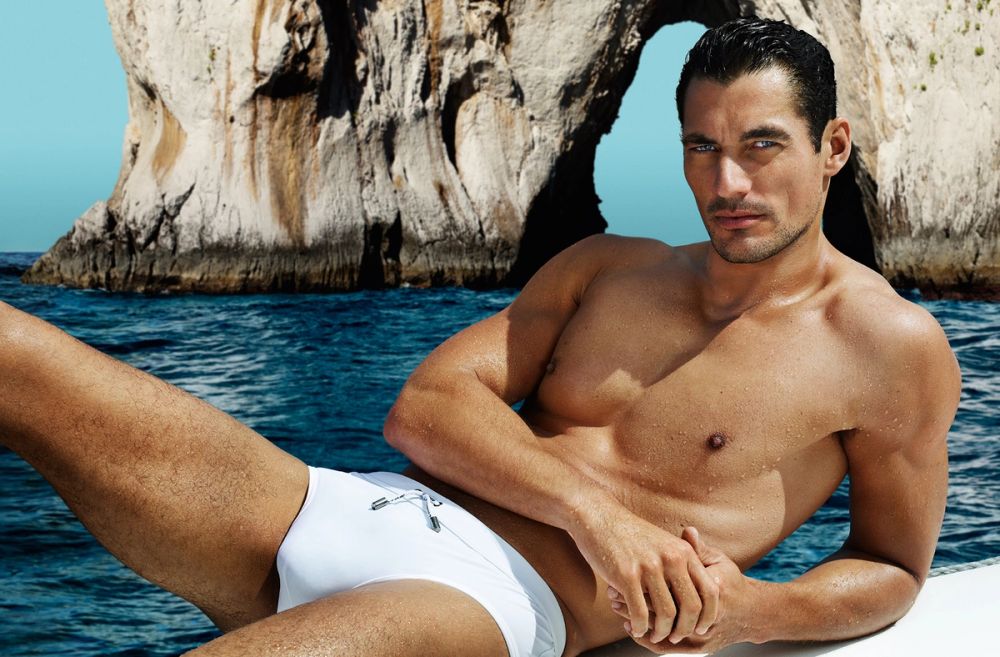
The visual language of blue sea, white boats and Mediterranean light continued to define Light Blue.

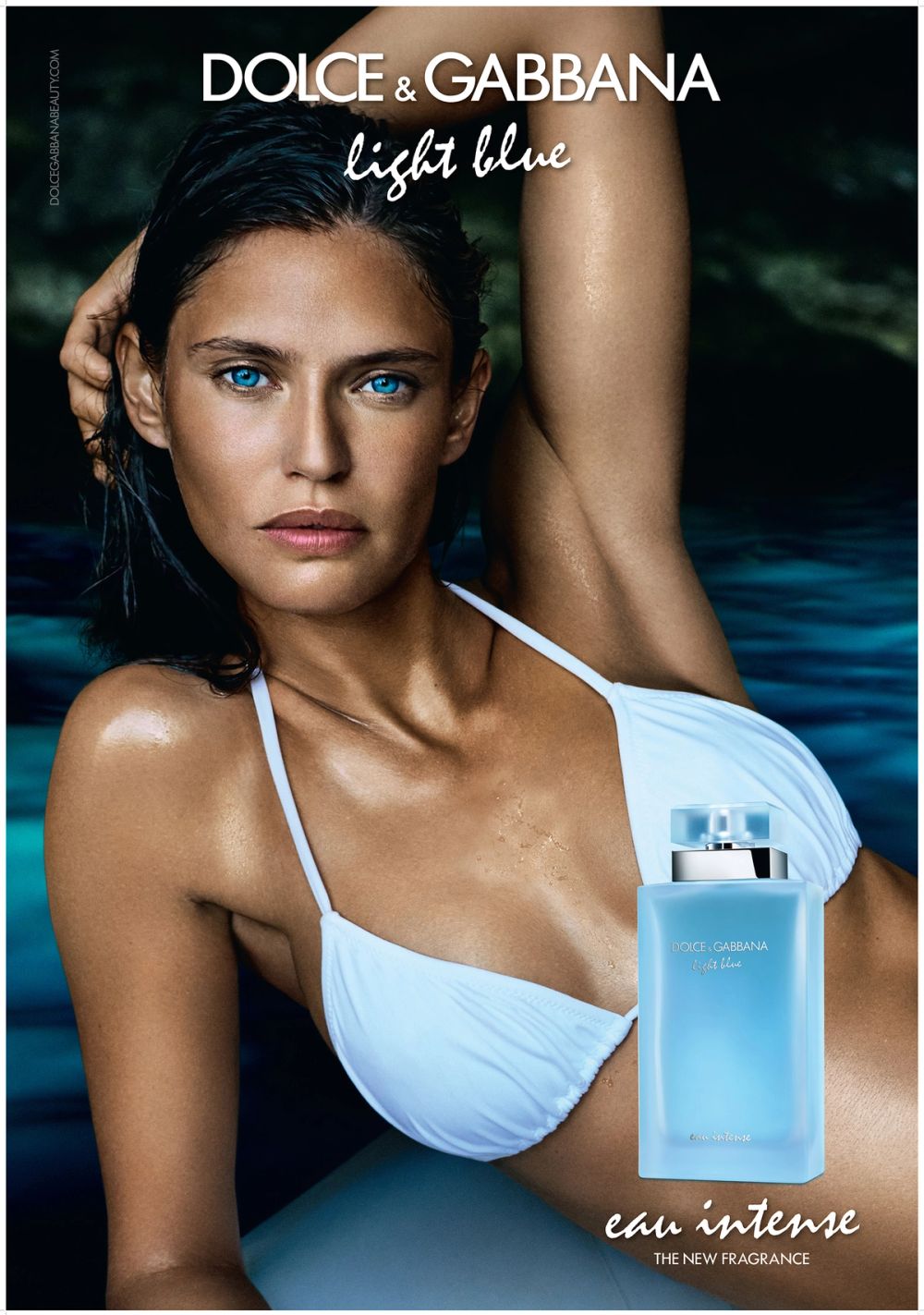
Bianca Balti in the 2016 campaign for Dolce & Gabbana Light Blue Eau Intense.

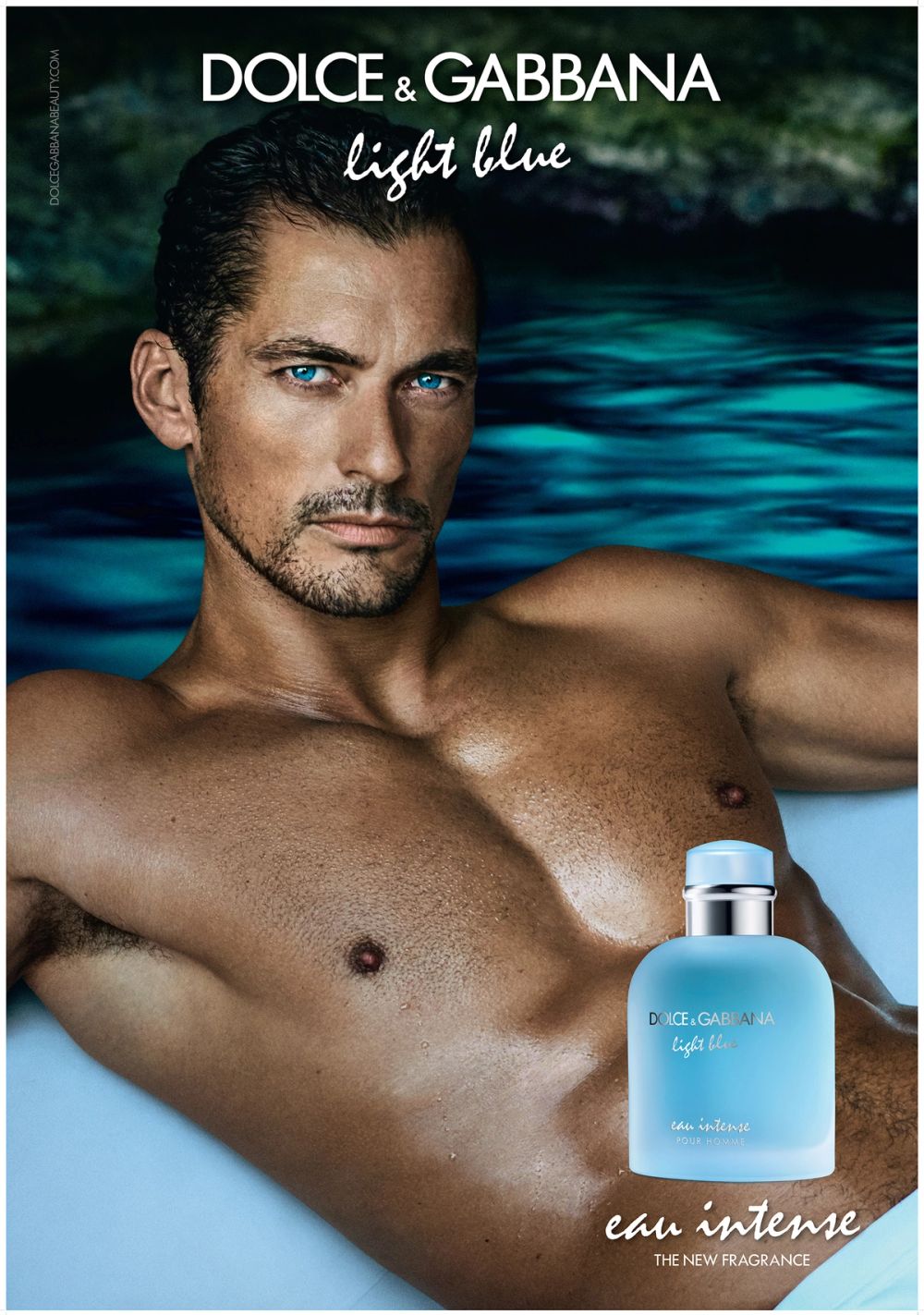
David Gandy in the launch campaign for Dolce & Gabbana Light Blue Eau Intense.

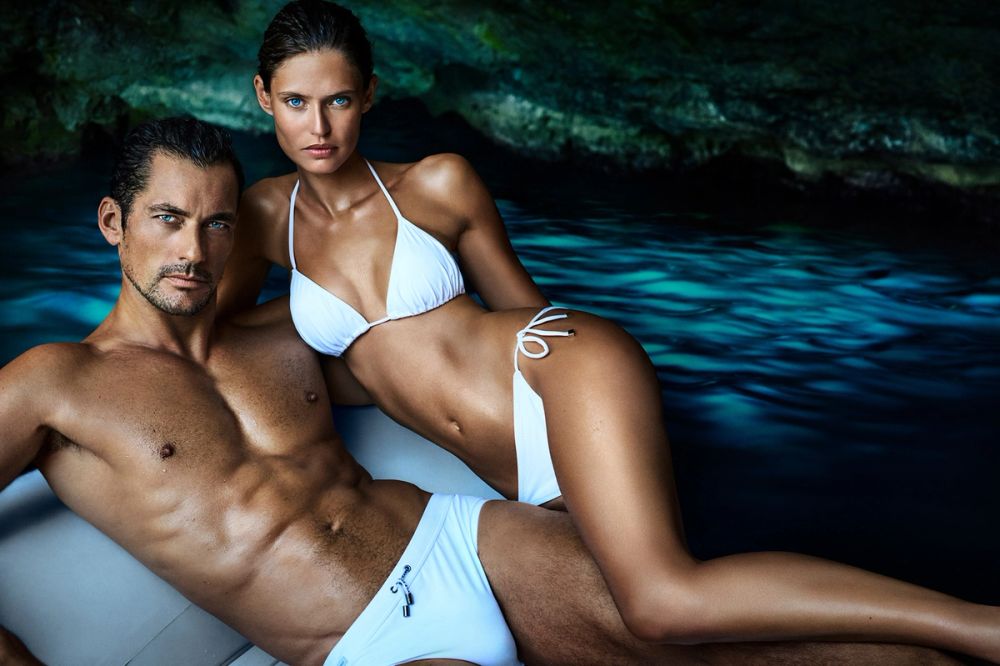
David Gandy and Bianca Balti returned for the Eau Intense chapter of the Light Blue story.
Across two decades, the imagery became associated with a particular vision of the Mediterranean: sun-drenched, cinematic, romantic and timeless. Even people who cannot recall the fragrance often recognise the photographs. New casts arrived. Different interpretations emerged. Yet the sea remained. The Faraglioni remained. The sense of escape remained. Many of the visual foundations first established in Capri remained instantly recognisable, even as the campaign evolved through new creative chapters. In an industry built on constant reinvention, Light Blue demonstrated the quiet power of creative consistency.
The faces may change. The image persists and that persistence reveals something important. The campaigns we remember are rarely the ones that shout the loudest. They are the ones that create a feeling strong enough to outlive the moment that produced them.
Twenty years after its debut, Light Blue occupies a curious space between photography, cinema, travel, fashion and cultural memory. It belongs to all of them and none of them entirely.
Perhaps that is why Light Blue continues to resonate. Across photographs, films and generations of viewers, it transformed a fleeting moment in Capri into something remarkably familiar. Its lasting appeal reminds us that enduring images are rarely the loudest or the most elaborate. They are the ones that remain true to a single idea, revisiting it with enough conviction that, over time, it becomes part of our collective memory.
The sea is still blue. The Faraglioni still rise from the water. And somewhere in the collective imagination, a white dinghy continues to drift across the Mediterranean.
Twenty years later, Light Blue endures not because it sold a dream, but because it returned to the same one, again and again, until it became part of our collective imagination.