ARCHITECTURAL DIGEST MIDDLE EAST FEATURES MARIO TESTINO'S JAPANESE FLORAL STILL LIFES

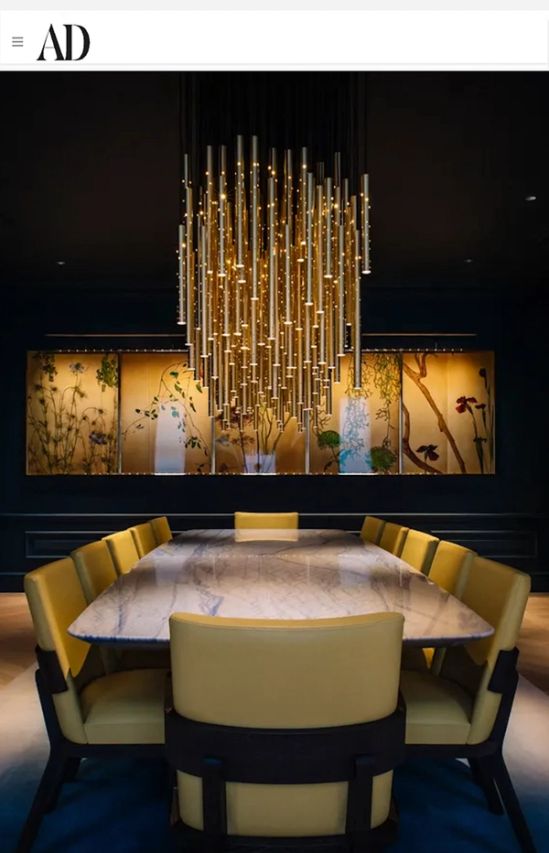
In its July 2026 issue, Architectural Digest Middle East featured Mario Testino's Japanese floral still lifes, photographed in Tokyo between 2018 and 2019. The works were selected by architect and interior designer Christophe Carpente for his reinvention of a traditional English manor, where they form part of a carefully curated dialogue between architecture, interiors and art.
The photographs reflect Testino's longstanding interest in the visual traditions that shape cultures around the world. Set against luminous gold folding screens, the seasonal flowers become studies of colour, craftsmanship and symbolism, drawing inspiration from centuries of Japanese artistic tradition.

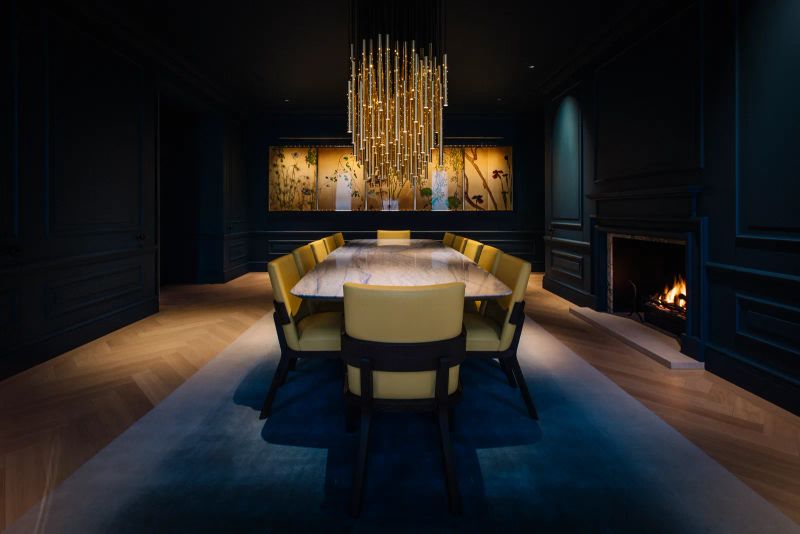
Mario Testino's Japanese floral still life photographs, displayed within Christophe Carpente's redesign of a traditional English manor, as featured by Architectural Digest Middle East. Photo: Anthony Crolla

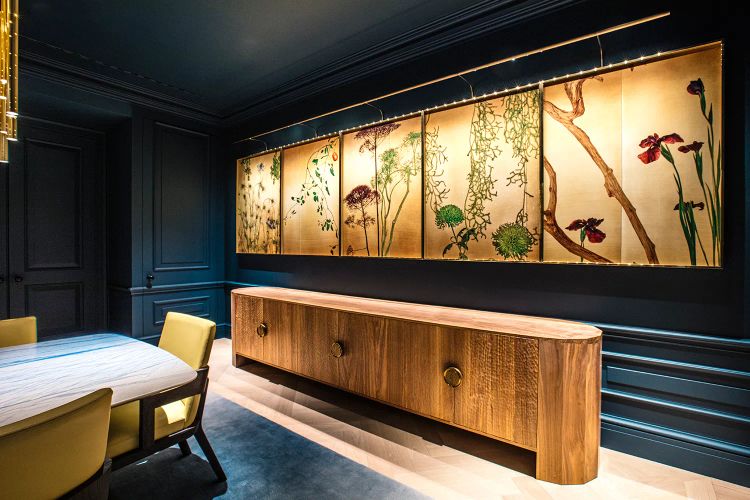
Mario Testino's Japanese floral still life photographs, displayed within Christophe Carpente's redesign of a traditional English manor, as featured by Architectural Digest Middle East. Photo: Anthony Crolla
In Japan, flowers have long carried meaning beyond decoration. Different blooms represent ideas such as truth, sincerity, renewal and splendour, while their arrangement reflects centuries of artistic and cultural heritage. The gold folding screens behind them, historically used to divide ceremonial and domestic spaces, introduce shifting reflections that lend each photograph a remarkable sense of depth and atmosphere.
Within the feature, Testino's photographs become part of an interior where architecture, contemporary design and art exist in conversation. Alongside bespoke craftsmanship, sculptural staircases and hand-painted ceilings, they contribute to a home shaped by collecting, creativity and visual storytelling.
Their inclusion illustrates how photography can become part of the architectural experience itself. More than decorative objects, the photographs introduce cultural history, craftsmanship and artistic perspective into the spaces they inhabit, reinforcing the dialogue between photography, architecture and interior design.