THE MURSI: MARIO TESTINO AND THE POWER OF INDIVIDUALITY

There are moments within A Beautiful World where the idea of fashion begins to dissolve entirely. The systems that usually define the image (luxury, branding, status, industry) fall away, leaving something more direct behind: the human instinct to present oneself to the world.
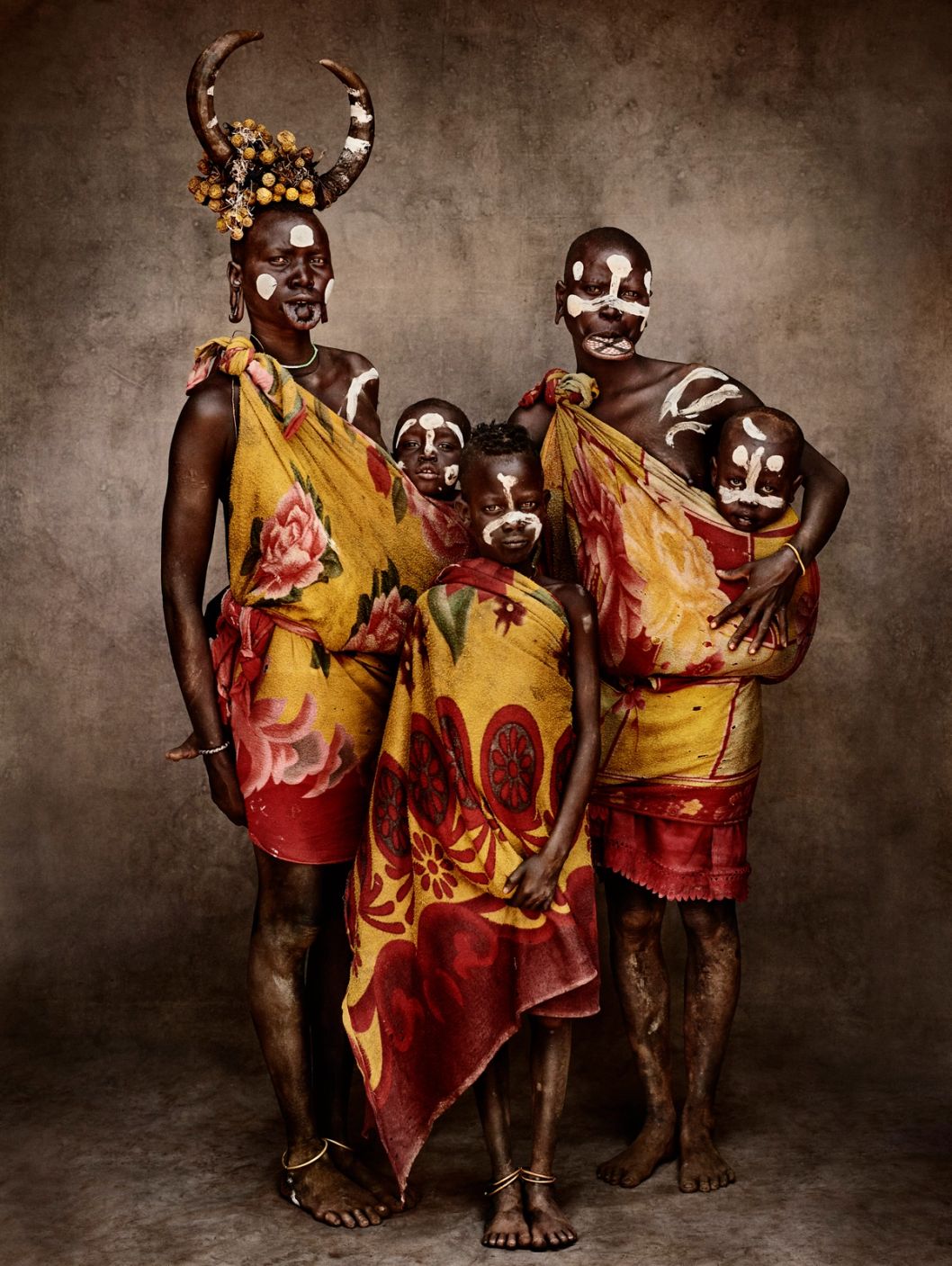
Mario Testino encountered this instinct powerfully during his visit to Rakubi Village in south-west Ethiopia in 2019, where he photographed members of the Mursi community. The images that emerged from that encounter remain among the most arresting within the broader A Beautiful World archive, not because they attempt to romanticise their subjects, but because they hold together multiple truths at once: dignity and hardship, tradition and improvisation, collective identity and fierce individuality.
"The Mursi live simply, in small huts, with very limited means, yet there is an extraordinary sense of individuality in the way they present themselves."
“My visit to Ethiopia was full of surprises,” Testino reflects. “The Mursi live simply, in small huts, with very limited means, yet there is an extraordinary sense of individuality in the way they present themselves. It was also amazing to see the strong desire among many to distinguish themselves further when standing for the camera.”
That tension gives the work its gravity.
The Mursi are often discussed through the lens of anthropology or tourism, reduced to visual shorthand through images detached from context. Testino’s photographs resist that flattening. What emerges instead is something more psychologically charged. These are not passive ethnographic studies. They are portraits shaped through encounter.
Producer notes from the journey describe the extraordinary dynamic that unfolded during the shoot itself. Arriving at Rakubi Village shortly before eight in the morning, Testino was met by crowds from both the Mursi and Hamar communities. More than one hundred people gathered around the makeshift set. Over the course of the morning, he photographed sixty-two individuals, instinctively composing families, trios and groupings in real time.
What struck the crew most was not simply the scale of the production, but the way Testino worked. Despite not sharing a common spoken language with the community, he directed gently through gesture, attention, rhythm and instinct. “It was amazing watching Mario work,” one producer recalled. “He was able to communicate without words, without speaking Mursi or Hamar, but still held their attention and cooperation as if they were top models from Elite New York.”

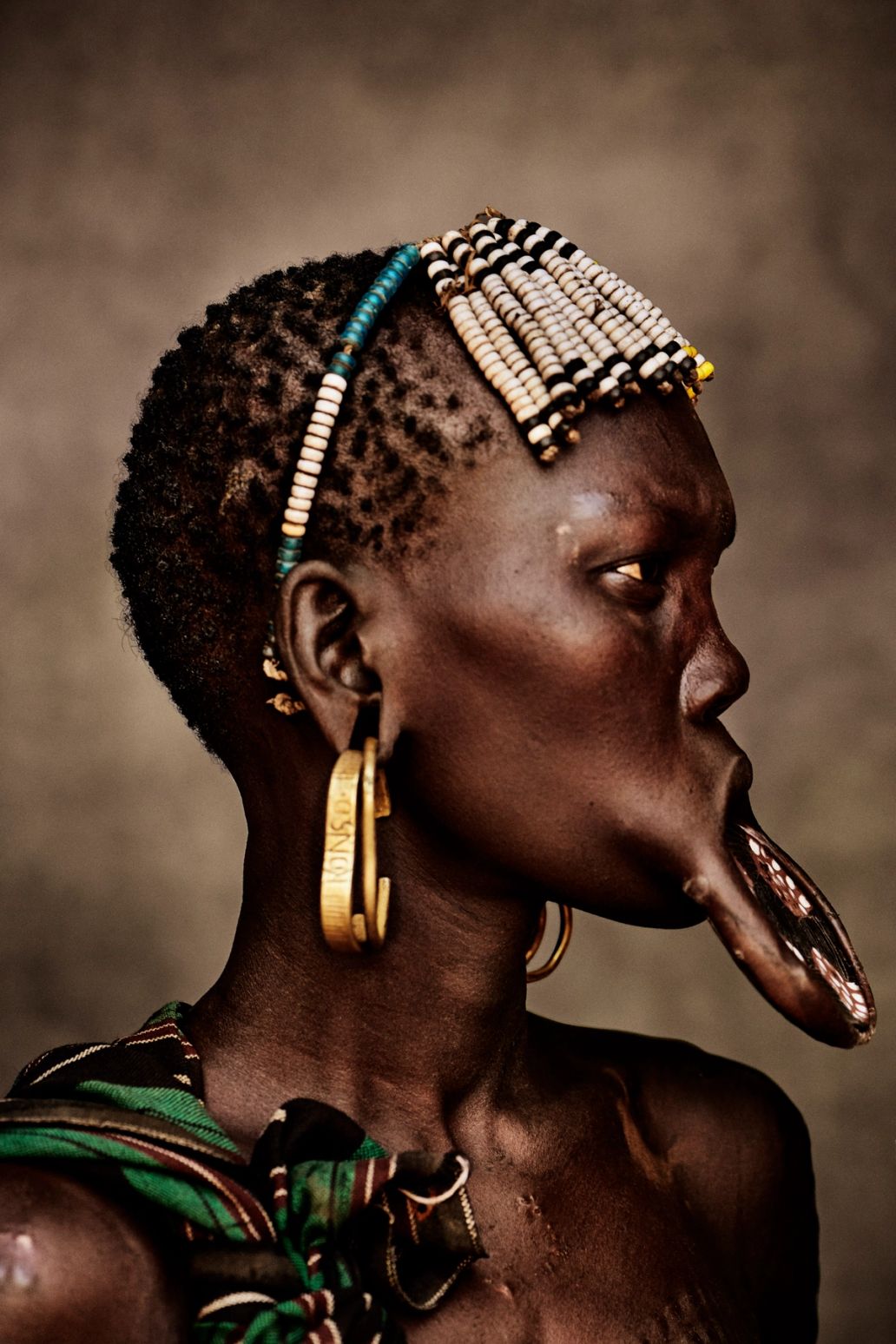
A Mother of the Mursi Rakubi Village, Ethiopia, 2019

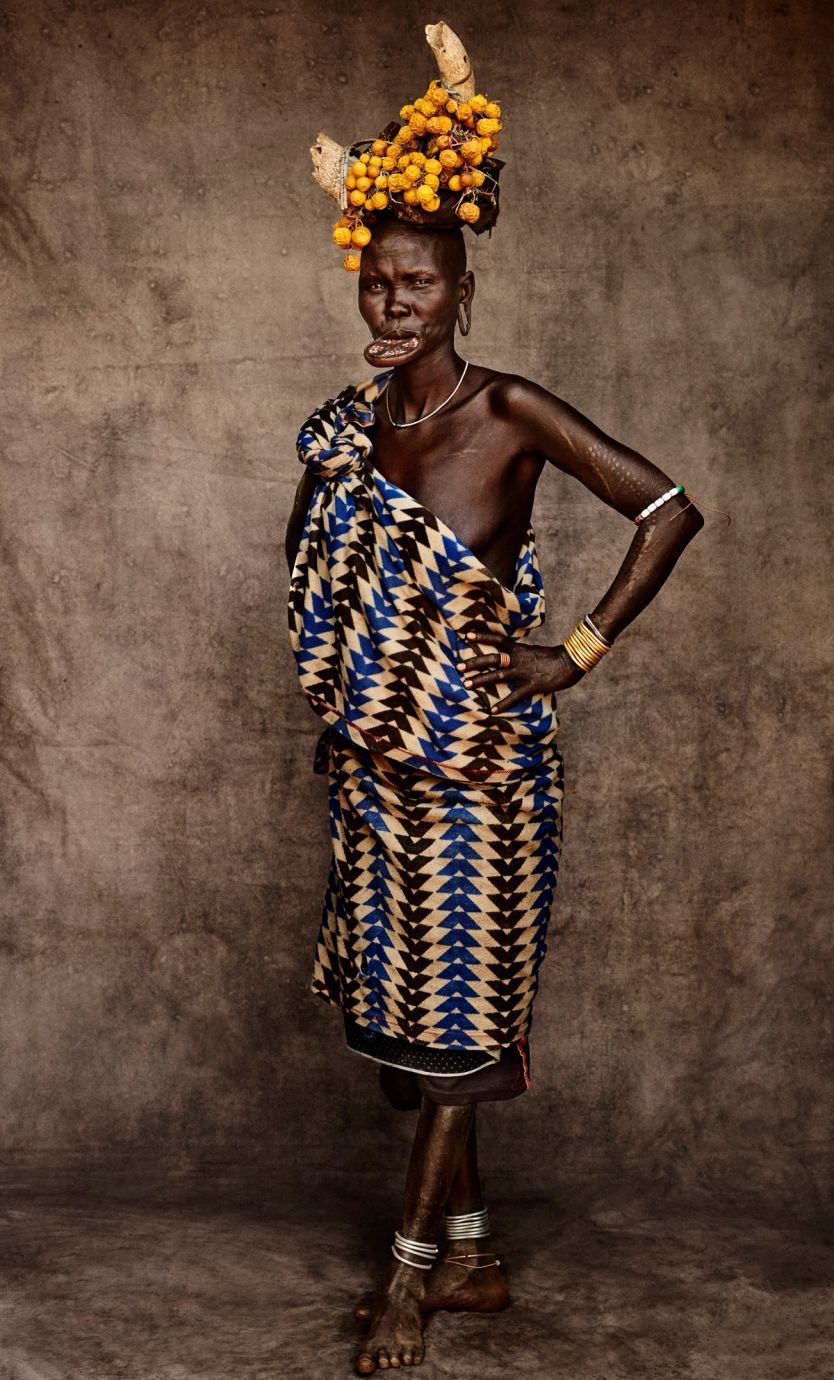
A Woman of the Mursi Rakubi Village, Ethiopia, 2019

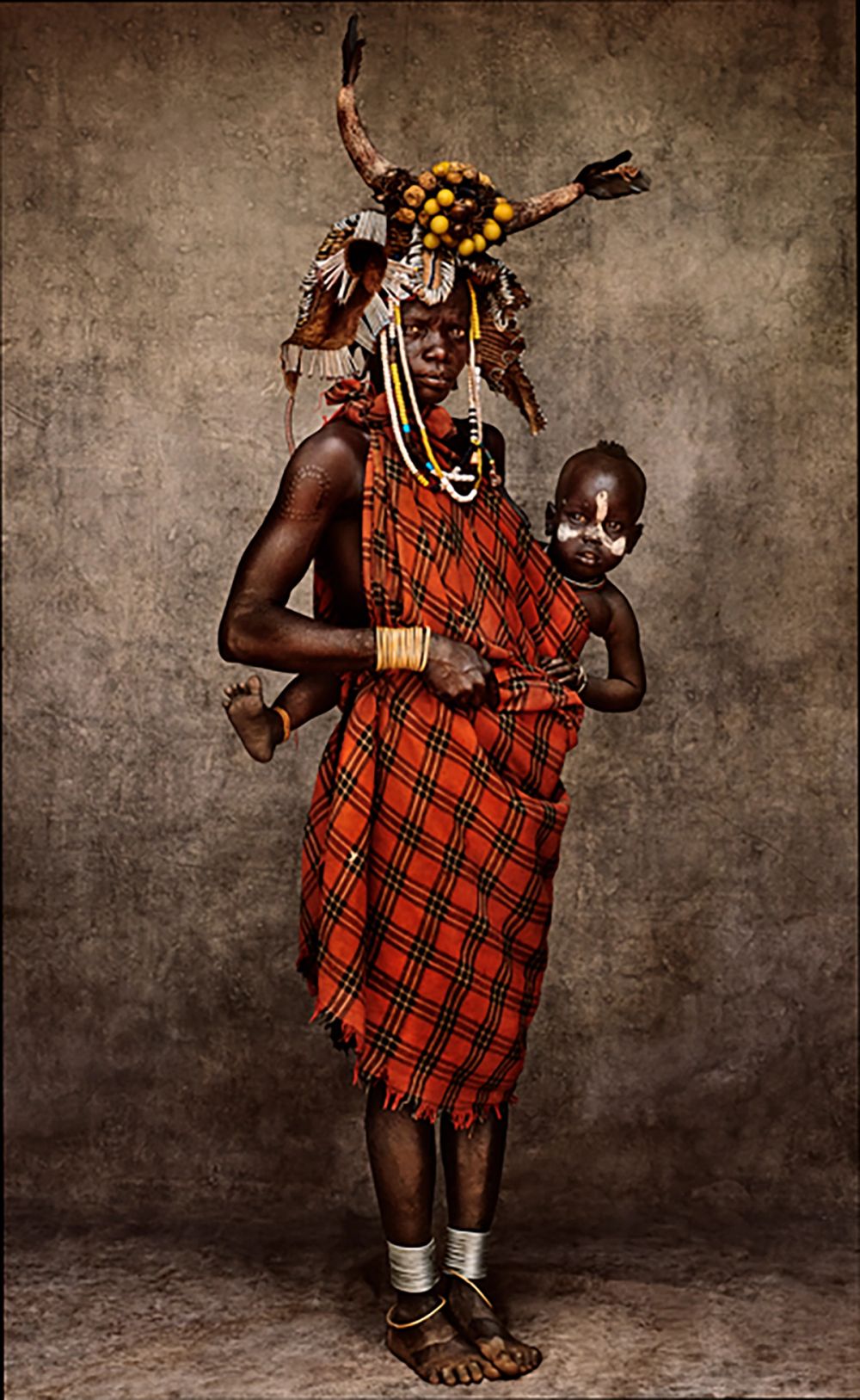
A Mother of the Mursi Rakubi Village, Ethiopia, 2019

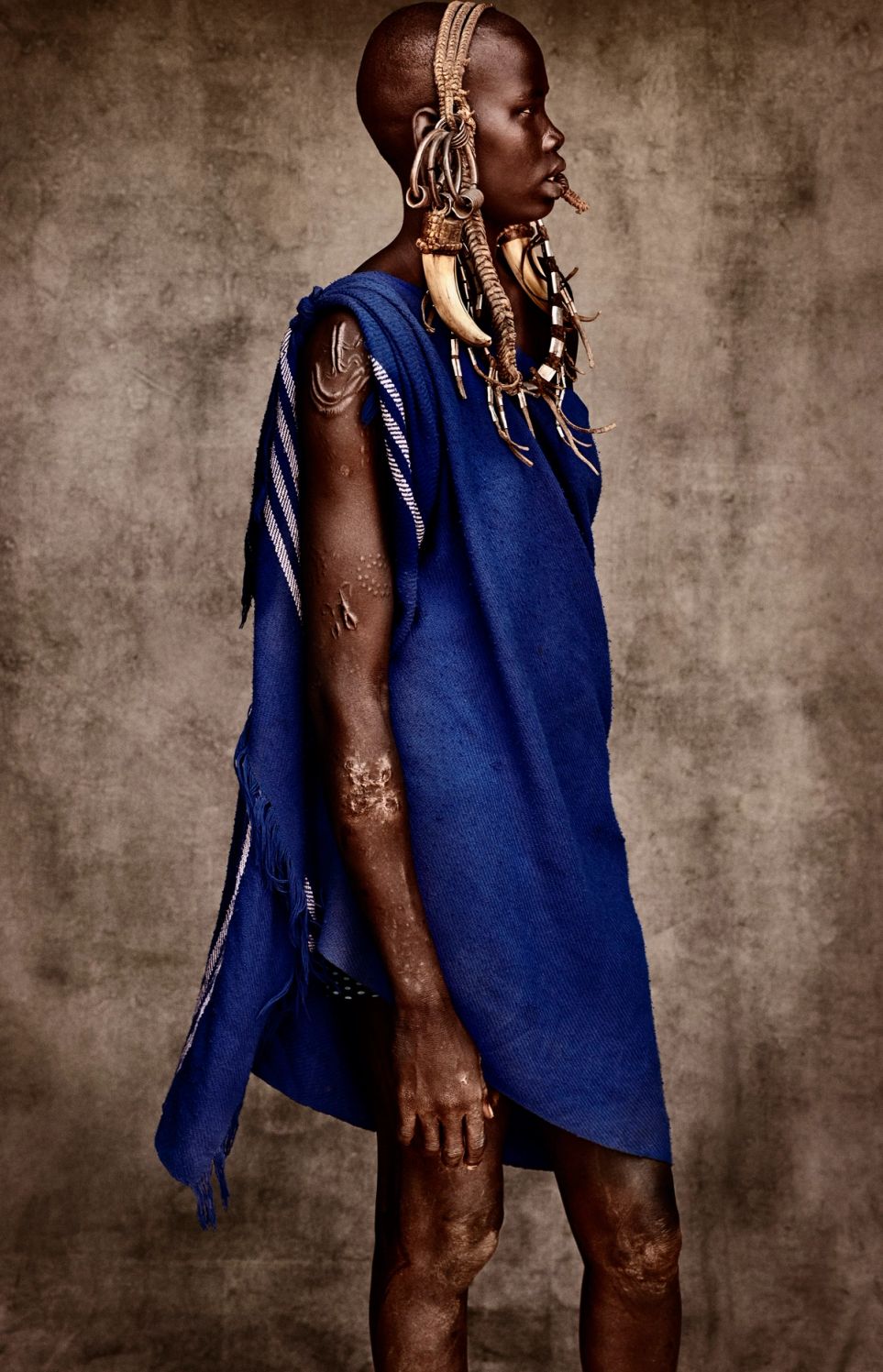
A Woman of the Mursi Rakubi Village, Ethiopia, 2019

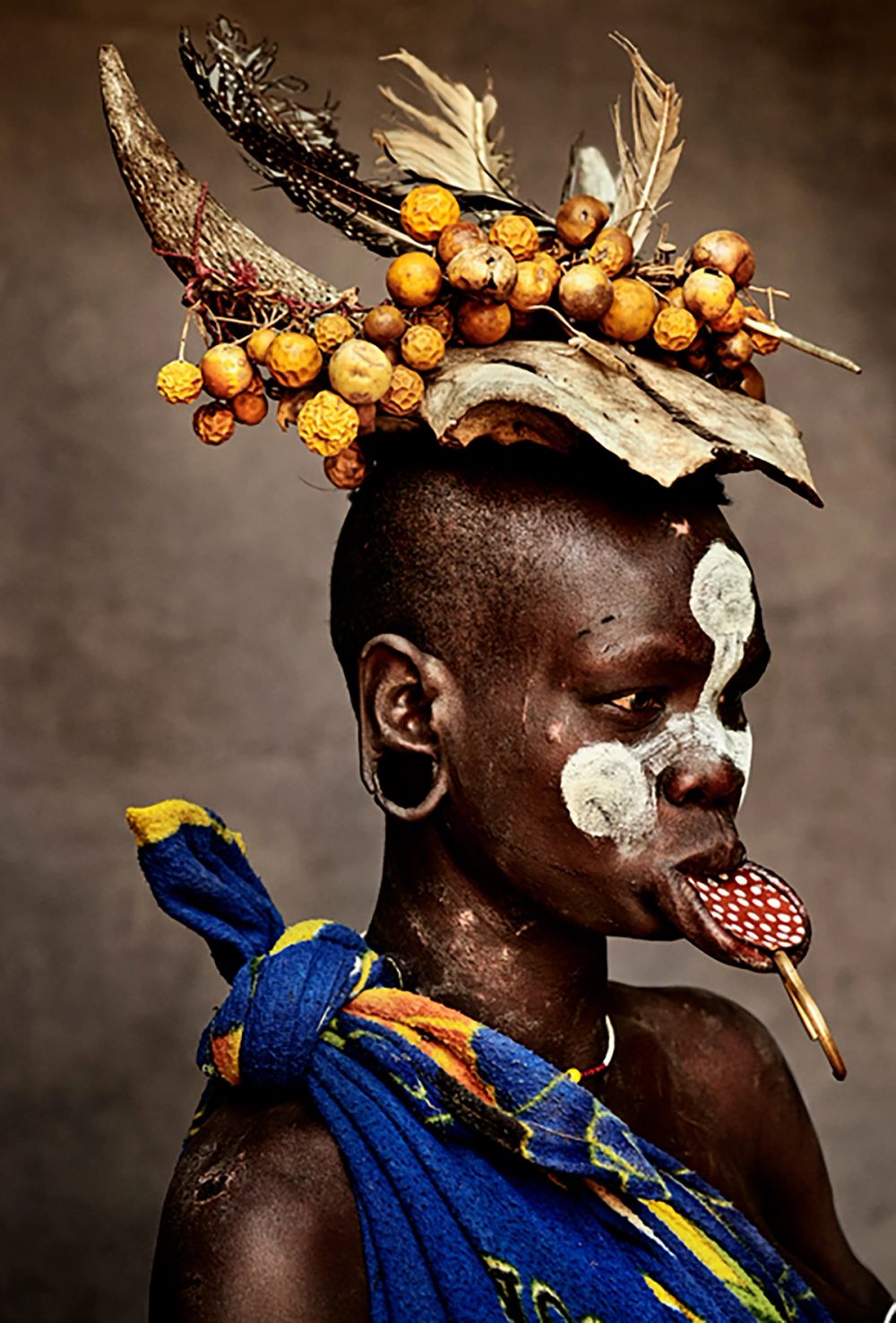
A Woman of the Mursi Rakubi Village, Ethiopia, 2019

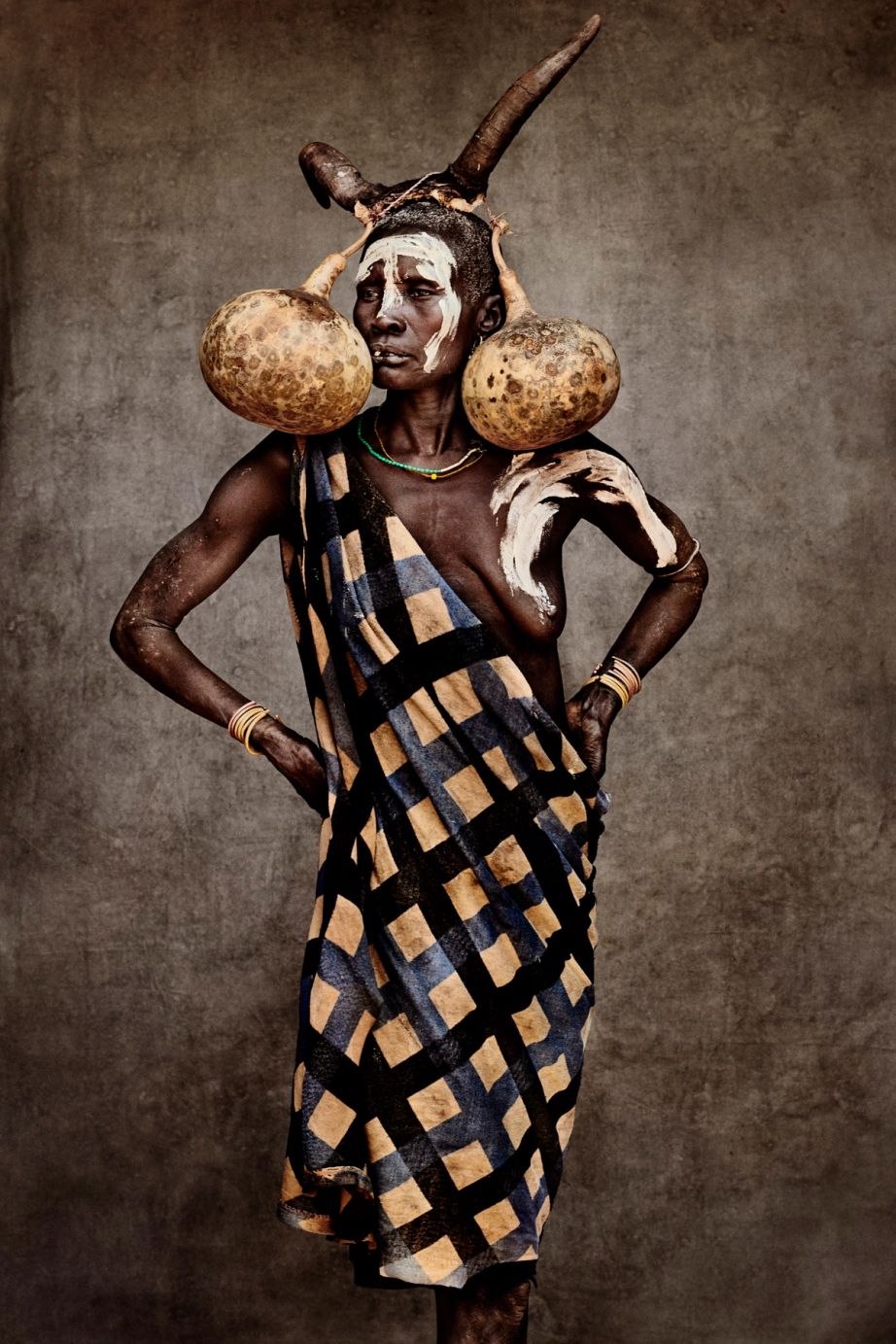
A Woman of the Mursi Rakubi Village, Ethiopia, 2019

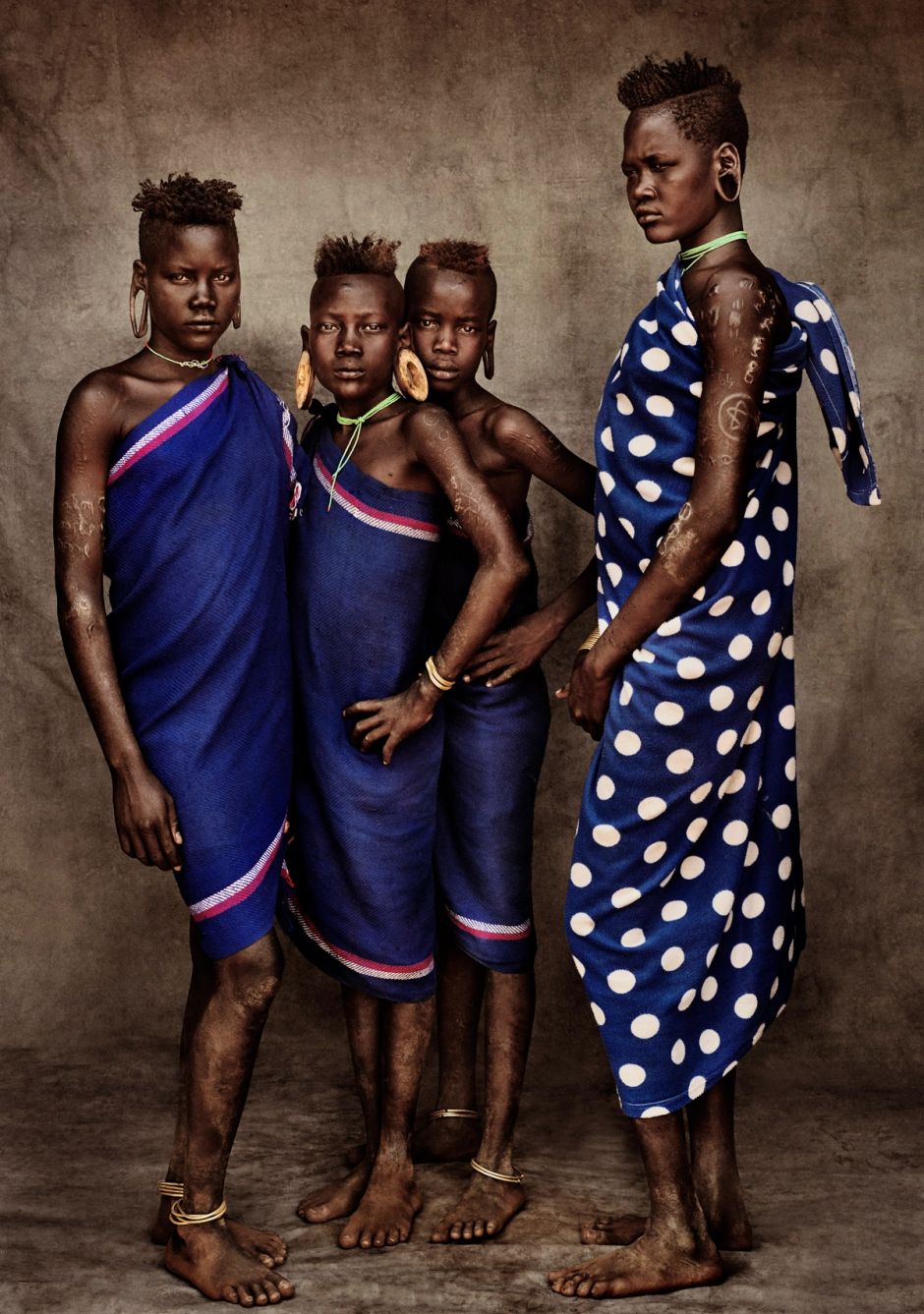
Girls of the Mursi Rakubi Village, Ethiopia, 2019

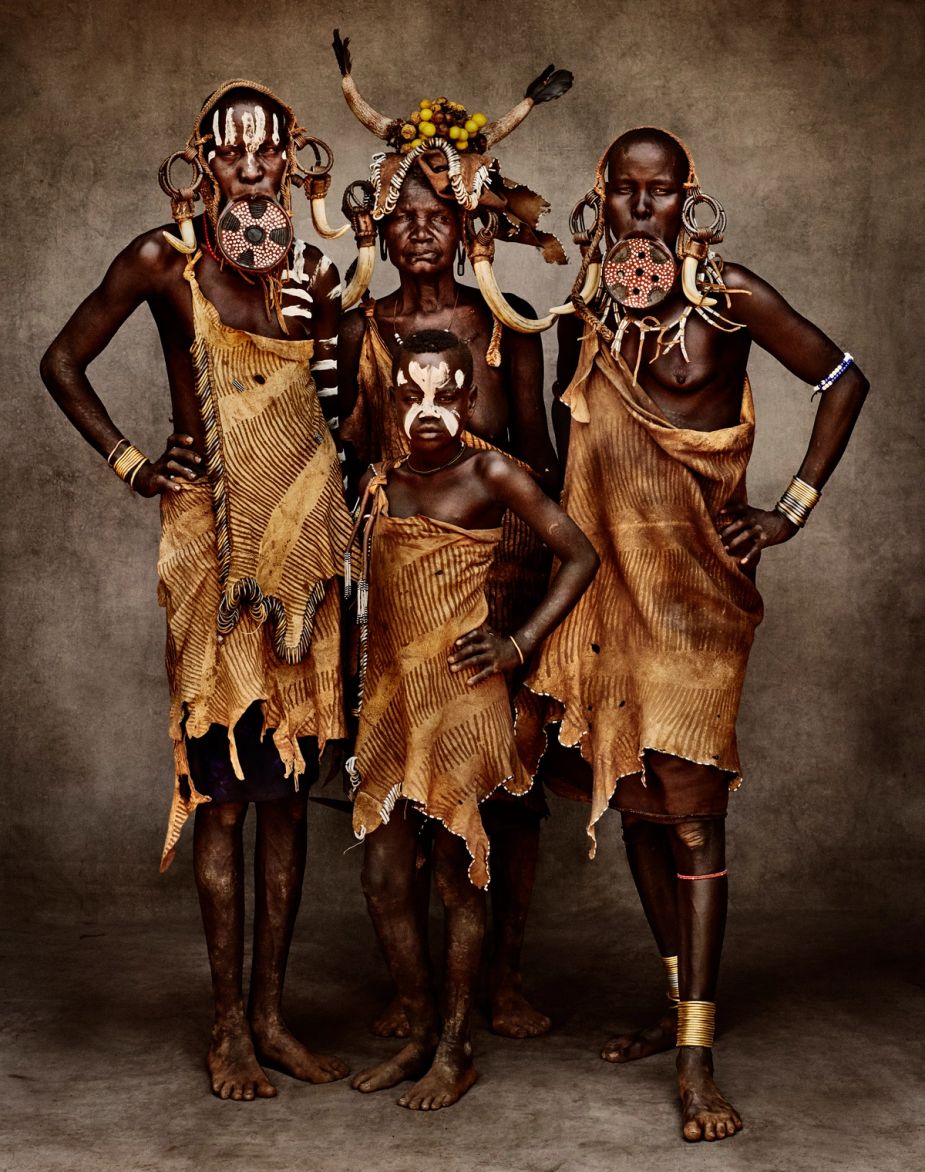
A Family of the Mursi Rakubi Village, Ethiopia, 2019

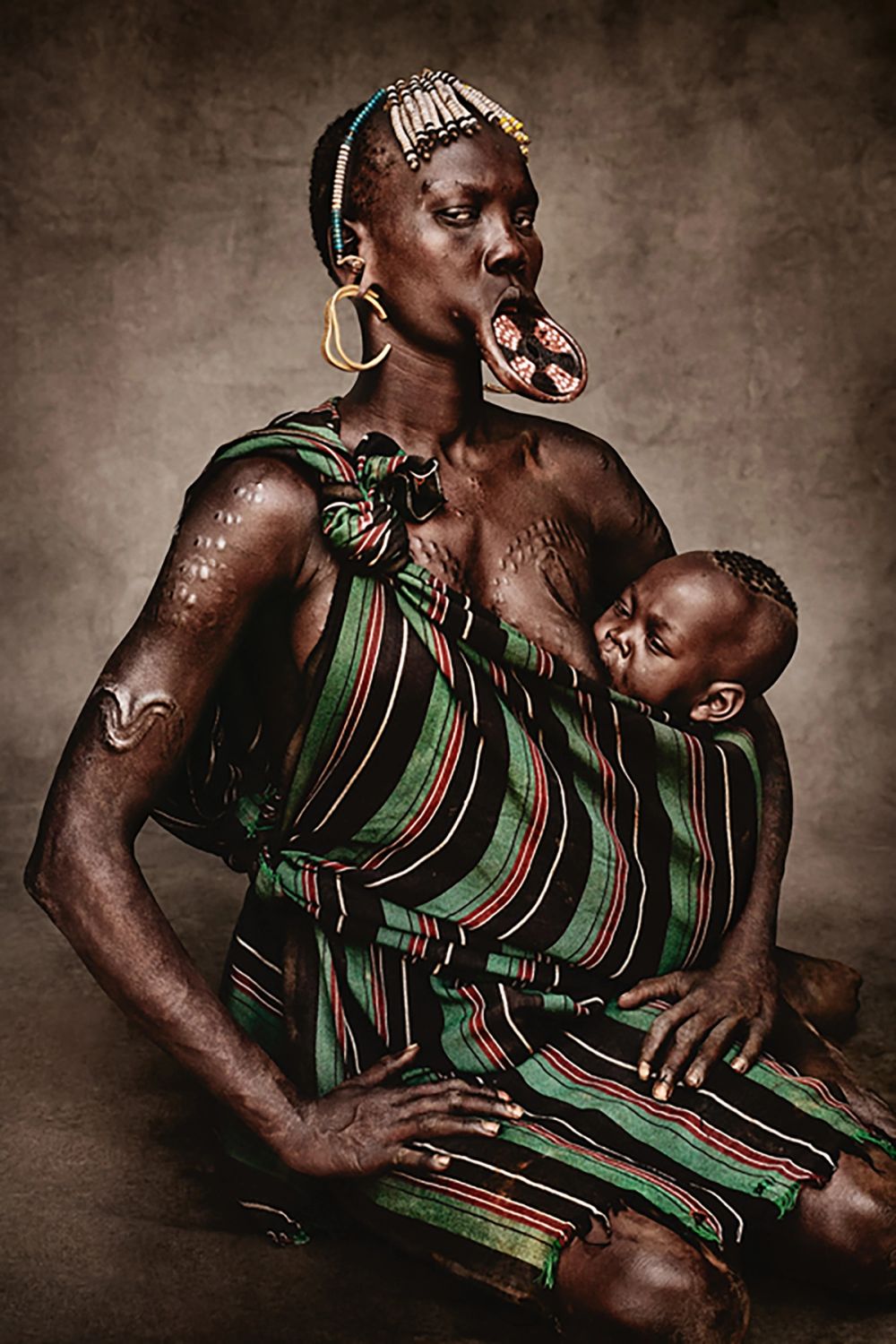
A Mother of the Mursi Rakubi Village, Ethiopia, 2019

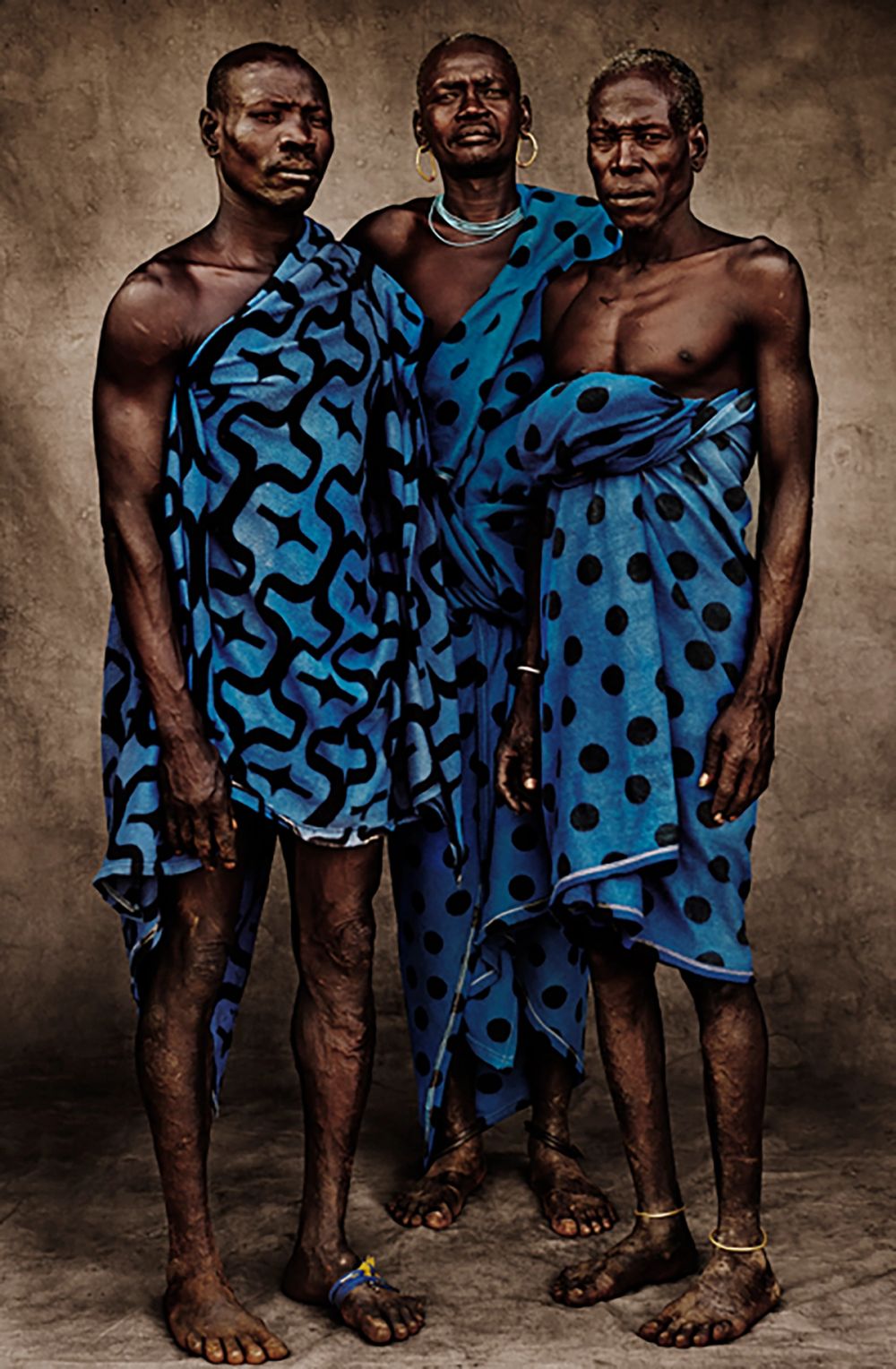
Three Men of the Mursi Rakubi Village, Ethiopia, 2019

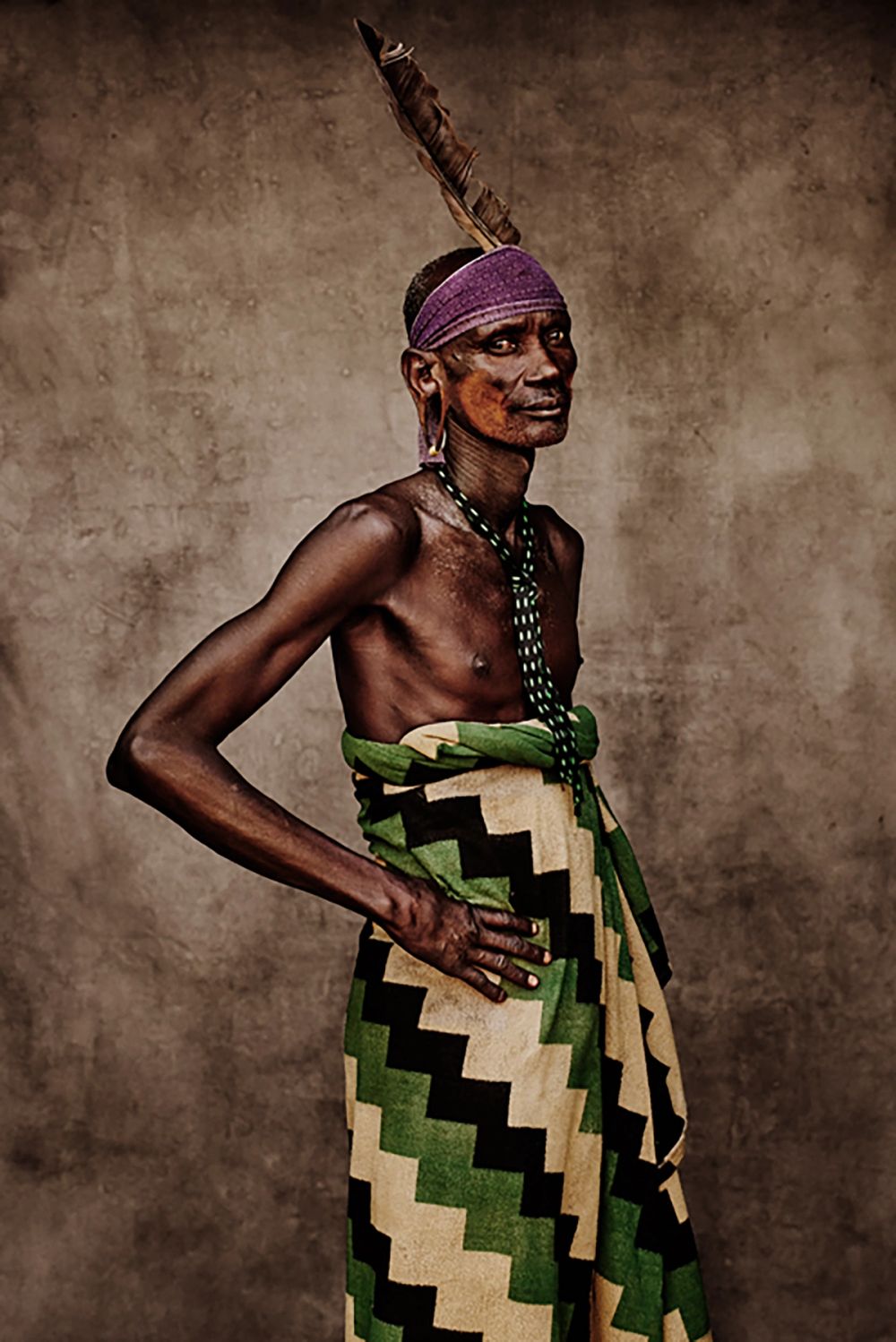
A Man of the Mursi Rakubi Village, Ethiopia, 2019

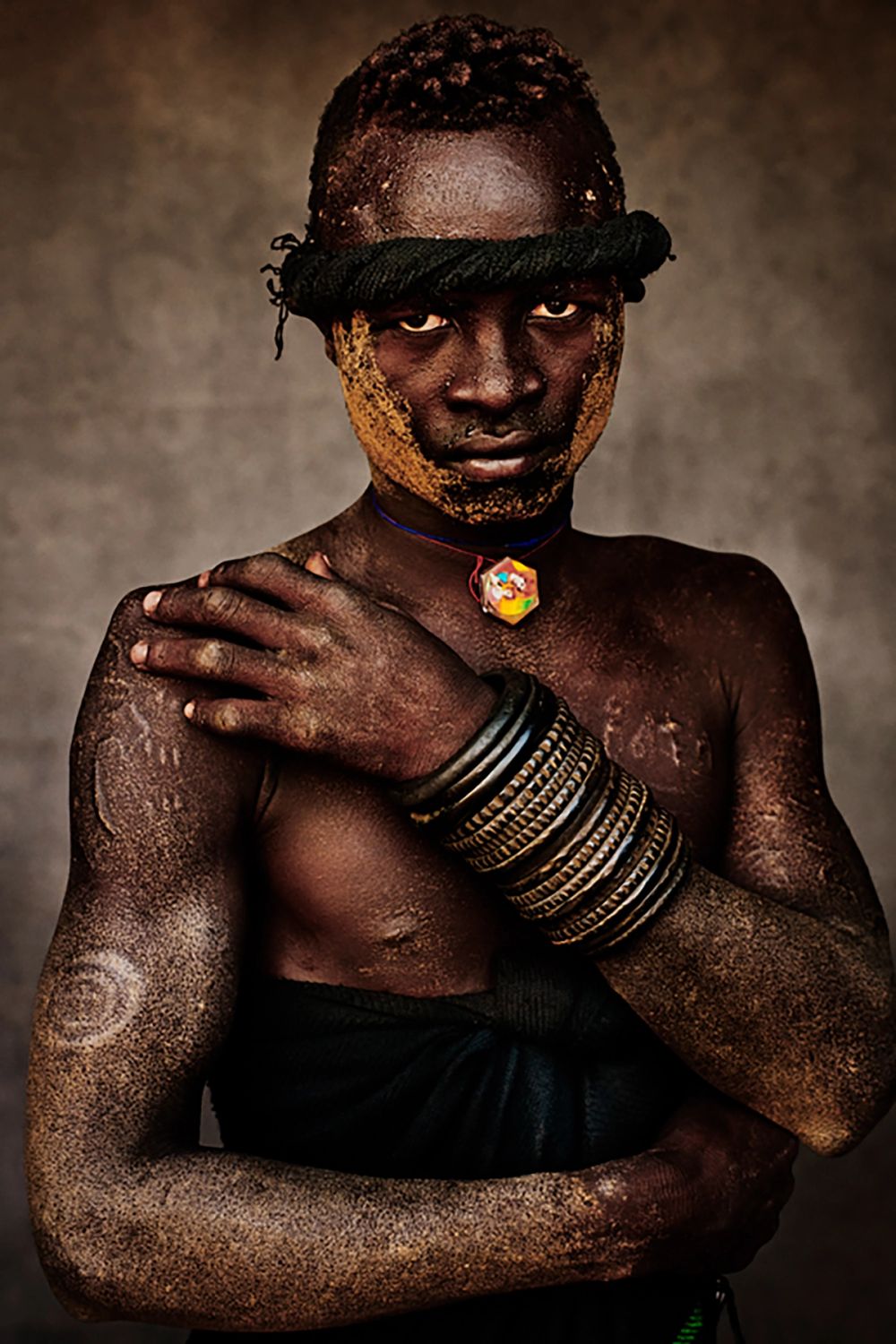
A Man of the Mursi Rakubi Village, Ethiopia, 2019

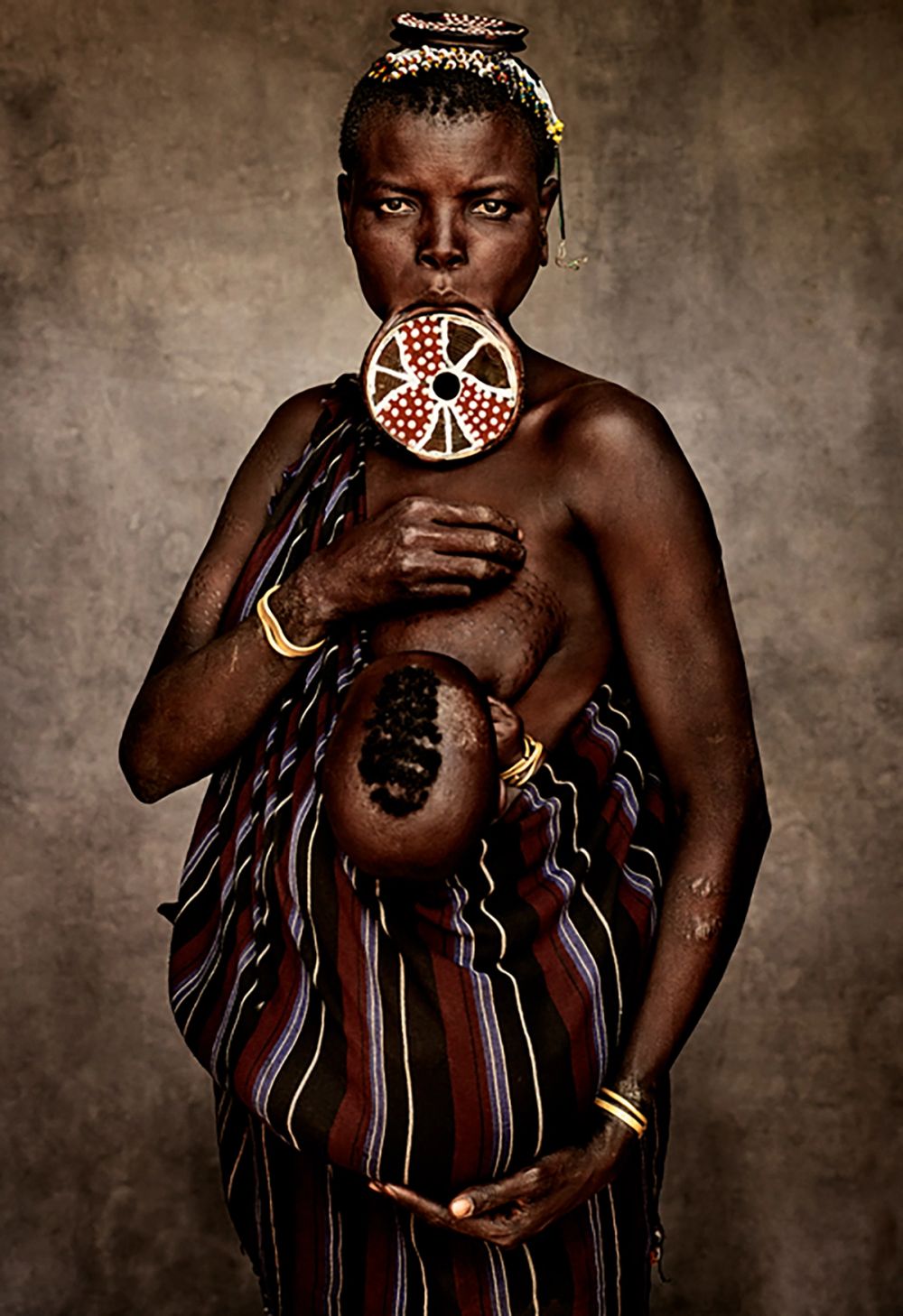
A Mother of the Mursi Rakubi Village, Ethiopia, 2019
That observation matters because it reveals something central to Testino’s practice across decades. Whether photographing royalty, Hollywood actors, supermodels or remote communities, his process depends on the same exchange: trust, attention, and the creation of a shared visual language.
Within the Mursi portraits, individuality appears repeatedly, even where material conditions are shared. Scarification patterns move across the body like topography. Beading, metalwork and body adornment become highly personal interventions within a collective visual system. A lip plate sits beside a striped cloth wrapped with striking precision. Hands settle on hips with unmistakable authority. A mother cradles her child while holding the camera’s gaze with complete self-possession.
What becomes clear is that style here is not separate from life. It is part of how identity is carried.
“What struck me,” Testino says, “was how individuality could emerge even when so much was shared; the same materials, the same environment, the same realities.”
The photographs refuse the simplicity often imposed onto conversations about indigenous communities. They are not framed as symbols of purity, nor as relics disconnected from the present. Instead, the images insist on complexity. There is pride here. Beauty. Assertion. Performance. Awareness. Vulnerability. Even competition. The camera itself becomes part of the social atmosphere.
That awareness is visible throughout the portraits. Some subjects heighten their posture. Others adjust jewellery, cloth or expression. Certain faces challenge the lens directly; others appear almost amused by it. The photographs acknowledge that the act of being seen changes behaviour, while also revealing how deeply personal presentation already existed before the camera arrived.

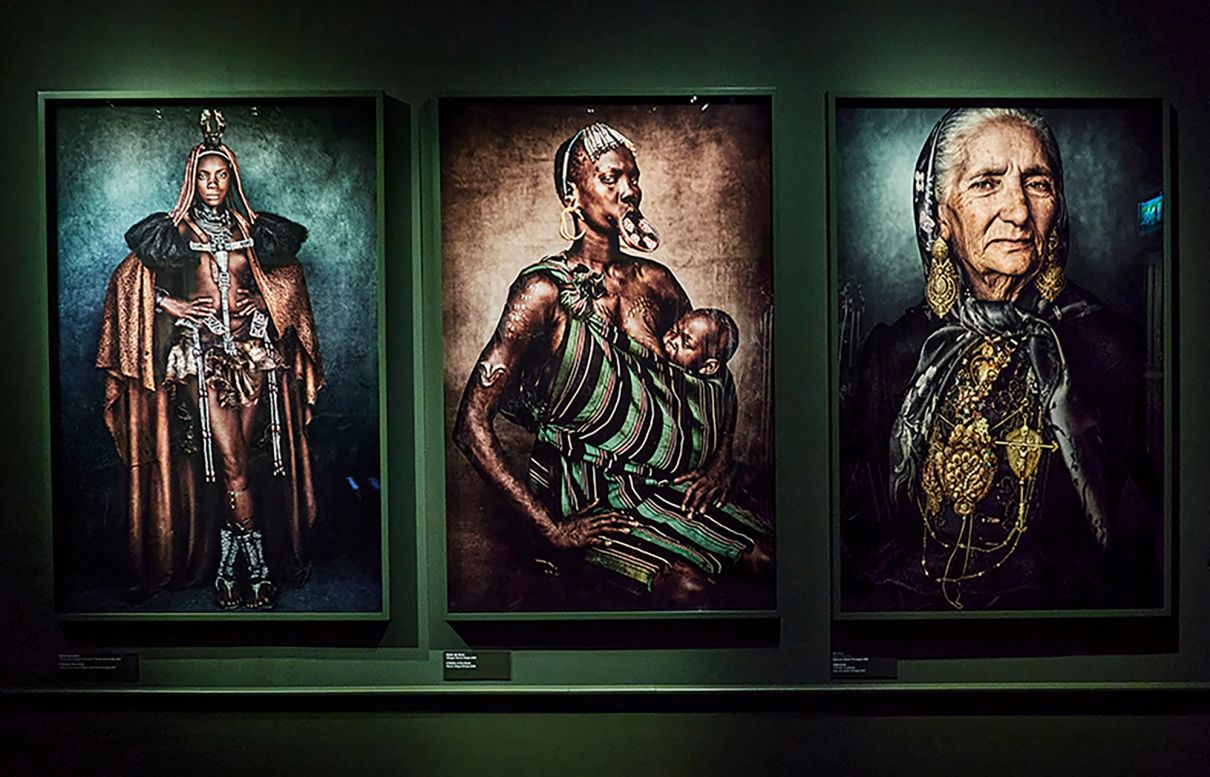
Installation view of A Beautiful World featuring 'A Mother of the Mursi, Rakubi Village, Ethiopia, 2019' Palazzo Bonaparte, Rome, Italy, 2024
One of the strongest examples from the series, A Mother of the Mursi, Rakubi Village, Ethiopia, 2019, was later included in A Beautiful World at Palazzo Bonaparte in Rome in 2024. Displayed within the exhibition’s wider exploration of identity, ritual and belonging, the image held extraordinary emotional weight. A mother sits holding her child against her body, scarification marking the skin, jewellery framing the face, the lip plate commanding the composition with sculptural force. Yet the lasting power of the image lies less in ornament than in gaze. She appears entirely grounded in herself.
Across A Beautiful World, Testino repeatedly returns to communities whose visual cultures challenge dominant Western ideas around dress, beauty and self-presentation. The Mursi portraits sit firmly within that larger inquiry. They ask what happens when individuality is expressed not through consumerism or trend, but through inheritance, adaptation and the body itself.
At the same time, the images never pretend that the encounter was uncomplicated. Ethiopia confronted the team with difficult realities, including visible poverty, volatility and social tension. That complexity remains important to acknowledge because it prevents the work from drifting into fantasy. The photographs are not trying to invent perfection. They are trying to hold attention long enough for humanity to emerge in full.
And humanity does emerge. Not abstractly, but specifically. In posture. In gesture. In the quiet decisions people make about how they wish to be seen.
“I wanted to celebrate the Mursi not only for the beauty of their traditions,” Testino reflects, “but for the way each person brought something of themselves into it. Every detail felt considered. Personal. Alive.”