ROME, SIENNA MILLER, TESTINO & THE SEPTEMBER ISSUE VOGUE COVER SHOOT

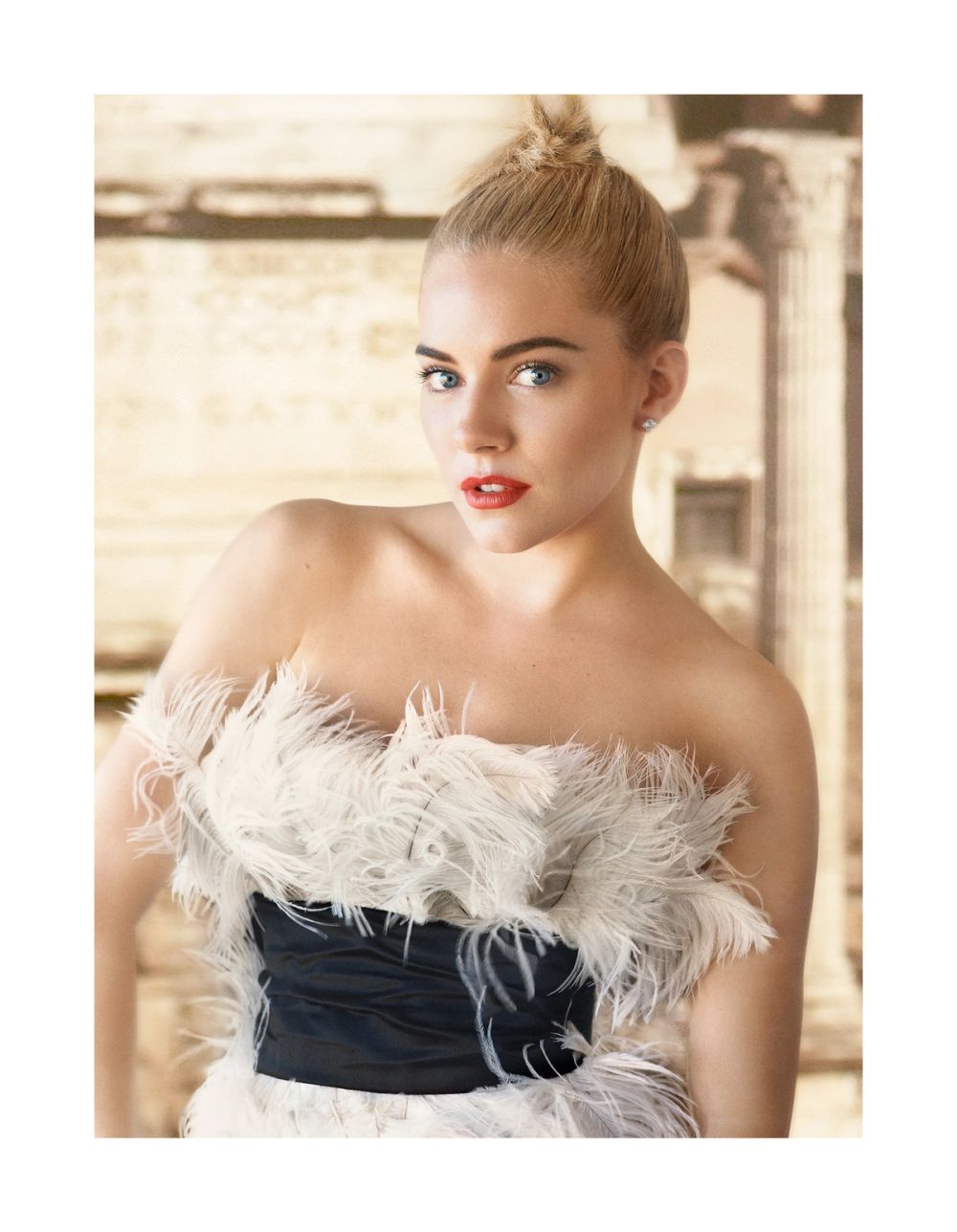
In the late summer of 2007, as fashion prepared for its most consequential annual moment, Mario Testino arrived in Rome to photograph the cover story of Vogue’s September issue. September is the month when fashion declares its thesis for the year ahead, and Vogue had begun to treat the September issue like a world unto itself, a cultural moment with its own gravity. The magazine had chosen Sienna Miller to preside over its cover and its central narrative. The story was titled “8½”, a reference to Federico Fellini’s 1963 film about a director caught between artistic pressure, memory, fantasy and the shifting line between performance and truth. It was an apt choice. Testino, long attuned to the tension between personality and place, understood at once that Rome would not operate as scenery. It would insist on being a collaborator in that same blurred space between imagination and reality.
At that moment, Miller occupied a particular position in the cultural imagination. She was an actress whose personal style commanded almost as much attention as her roles, closely observed and widely imitated. Her way of dressing suggested a refusal of neat categorisation, drawing from vintage references, masculine tailoring and flashes of glamour that felt instinctive rather than composed. She arrived in Rome with a suitcase that reflected that sensibility, filled with boots worn thin by travel, sequined pieces, and garments chosen more for expression than coordination. Sally Singer, who wrote the accompanying Vogue story, described a wardrobe uninterested in cohesion and deeply invested in possibility. That openness aligned closely with Testino’s photographic language. He responds to movement, texture and surprise with particular acuity. Style, in his work, is not a costume but an extension of temperament. In Rome, that vocabulary expanded.

Sienna Miller, Rome, American Vogue, 2007
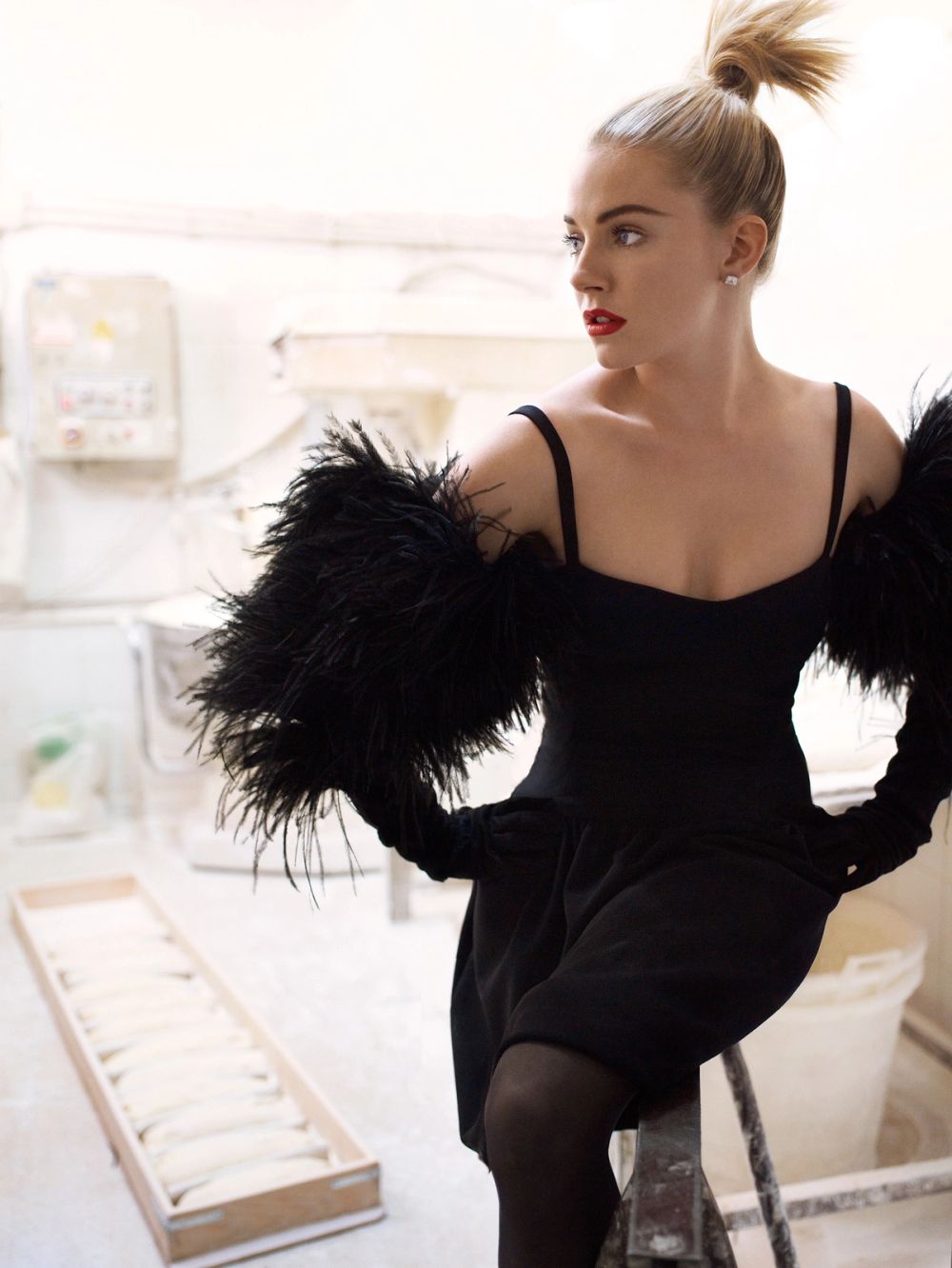
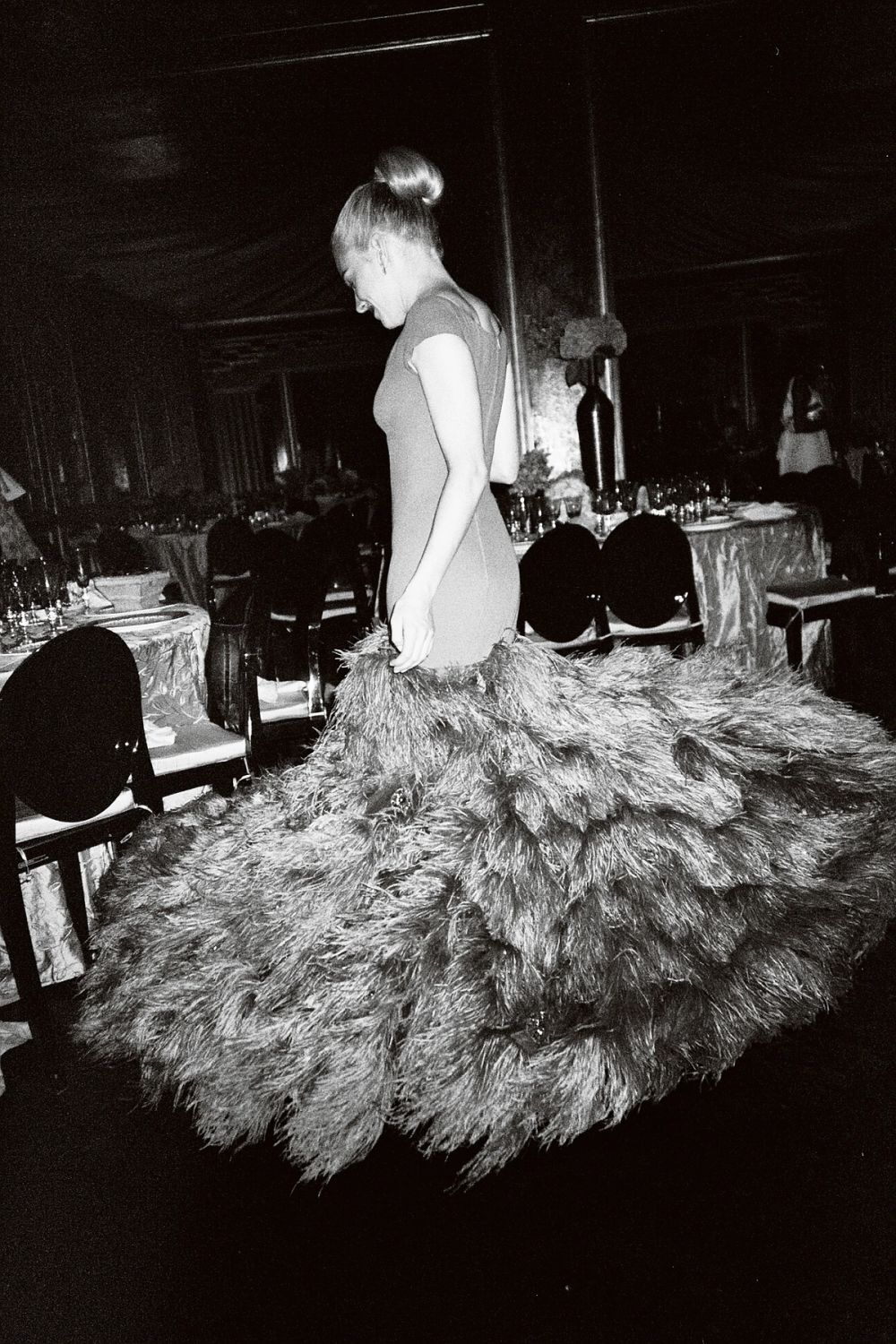
The shoot unfolded across a weekend, though time blurred once the work began. Rome has a way of turning hours into something denser. The camera followed Miller as she slipped through archways, crossed courtyards and stepped into the sudden radiance of late afternoon. Feathers floated in her wake from the dresses she wore, garments that seemed almost mischievous in their fragility. Singer described them as soft armour, a liturgy of plumage that left a faint trail behind her, as if the dresses and accessories themselves possessed an instinct for motion. Testino recognised this quality immediately. When feathers lift in the air, they record currents the eye cannot see. They mark the invisible. In his photographs, the dresses do not read as costume. They become atmosphere.


Sienna-Miller, Rome, American Vogue, 2007


Sienna Miller, Rome, American Vogue, 2007


Sienna Miller, Rome, American Vogue, 2007


Sienna Miller, Rome, American Vogue, 2007

Sienna Miller, Rome, American Vogue, 2007

Sienna Miller, Rome, American Vogue, 2007


Sienna Miller, Rome, American Vogue, 2007


Sienna Miller, Rome, American Vogue, 2007

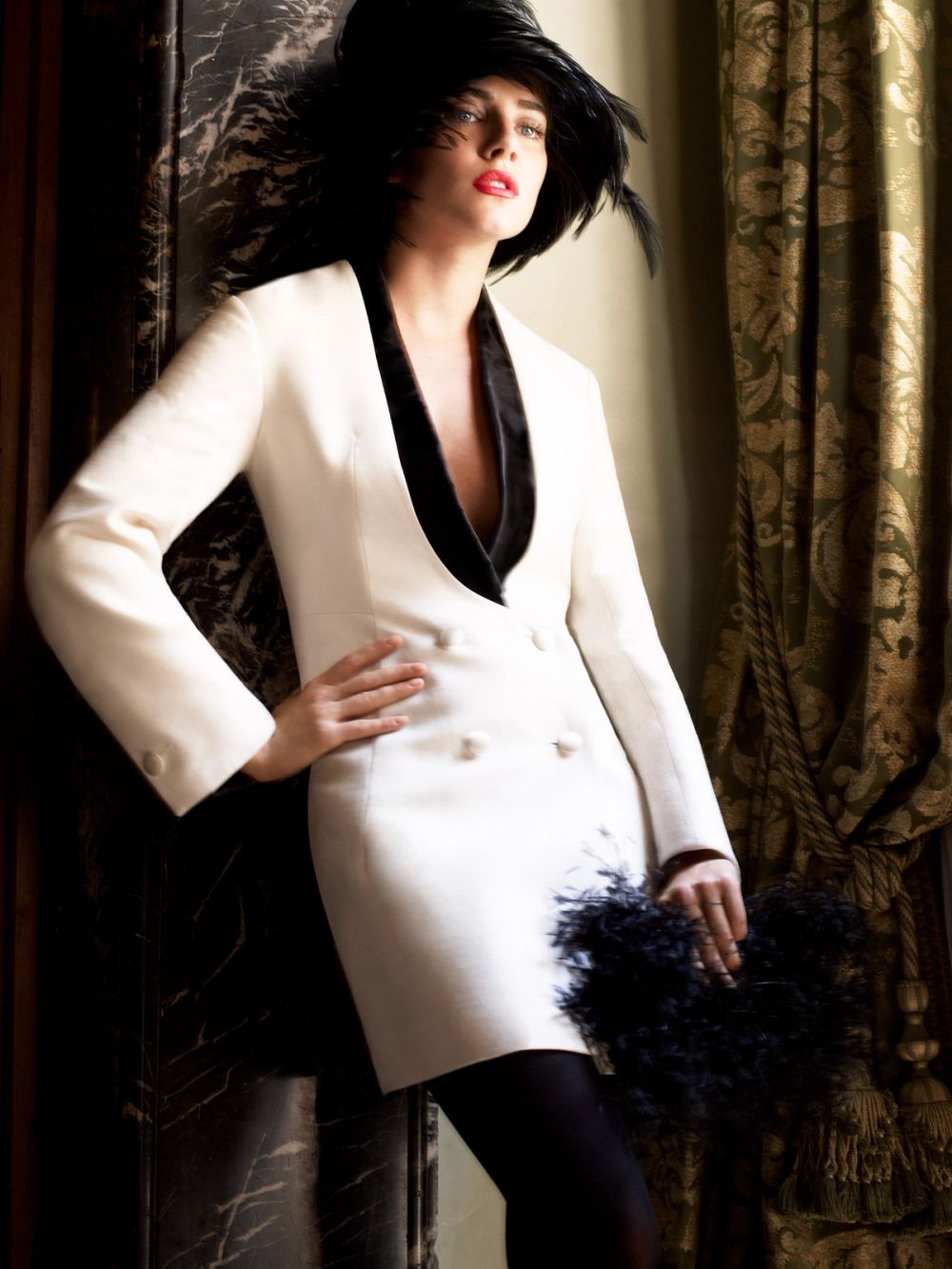
Sienna Miller, Rome, American Vogue, 2007


Sienna Miller, Rome, American Vogue, 2007
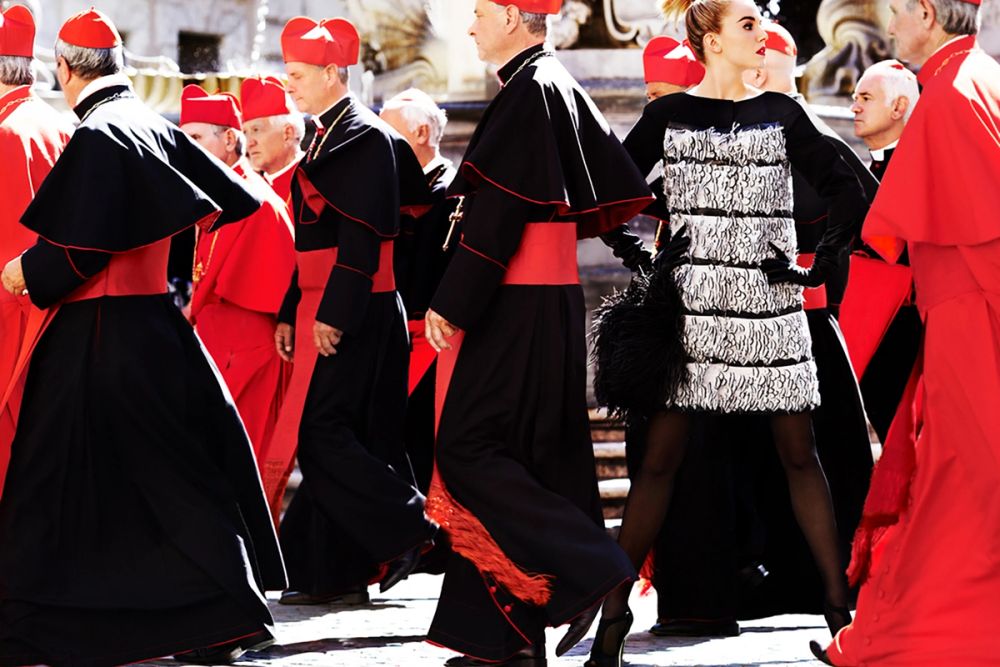
The first photograph to appear in the published Vogue story showed Miller standing among cardinals in Rome, their robes forming a field of colour and authority around her. The image sets the tone for the entire narrative. It is composed, theatrical and quietly charged. Miller holds her position with ease, neither dwarfed by the figures beside her nor elevated above them. Rome presents itself not only through architecture but through its characters, and the photograph captures a meeting of presence rather than contrast. Seen today, the image reads as an overture, establishing the dialogue between individuality and tradition that runs through the shoot. It now anchors The Engaging Eye of Mario Testino at Holden Luntz Gallery, where it appears within the broader context of his work.
Running alongside the shoot was another presence. A film crew was documenting the making of Vogue’s September 2007 issue for R. J. Cutler’s The September Issue, which would later bring unprecedented visibility to the process behind fashion’s most powerful publication. Every decision, every adjustment of light or fabric, existed under a double gaze. Rather than diminishing the intimacy of the work, the awareness of being observed sharpened it. The shoot became both performance and process, its gestures carrying weight precisely because they were momentary. Testino has always been attuned to that tension. His images thrive where spontaneity and intention overlap.
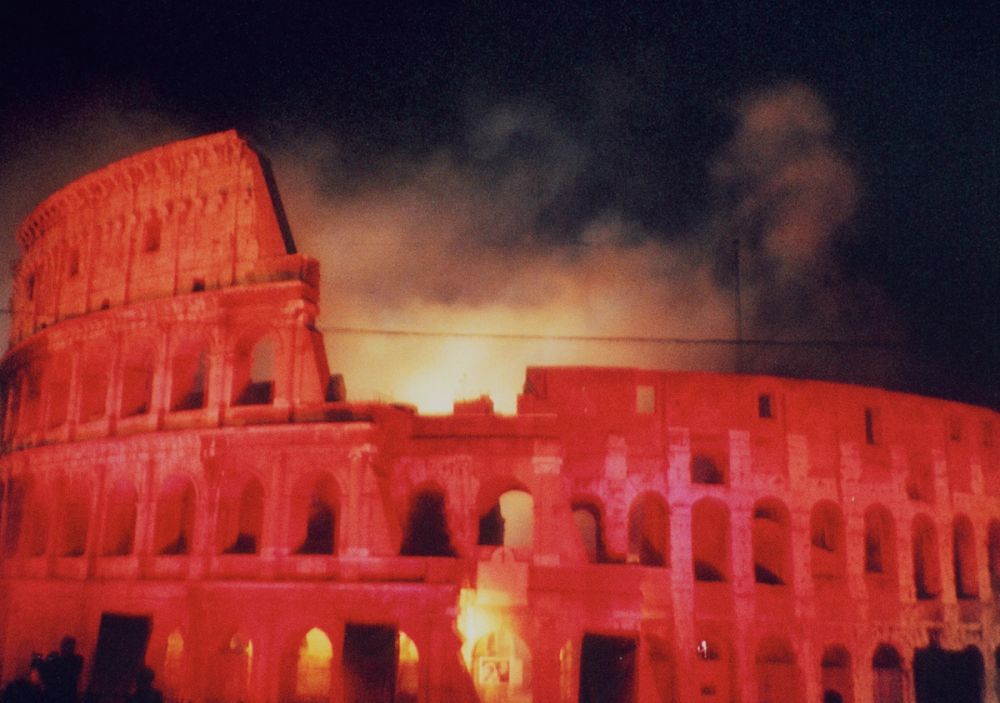
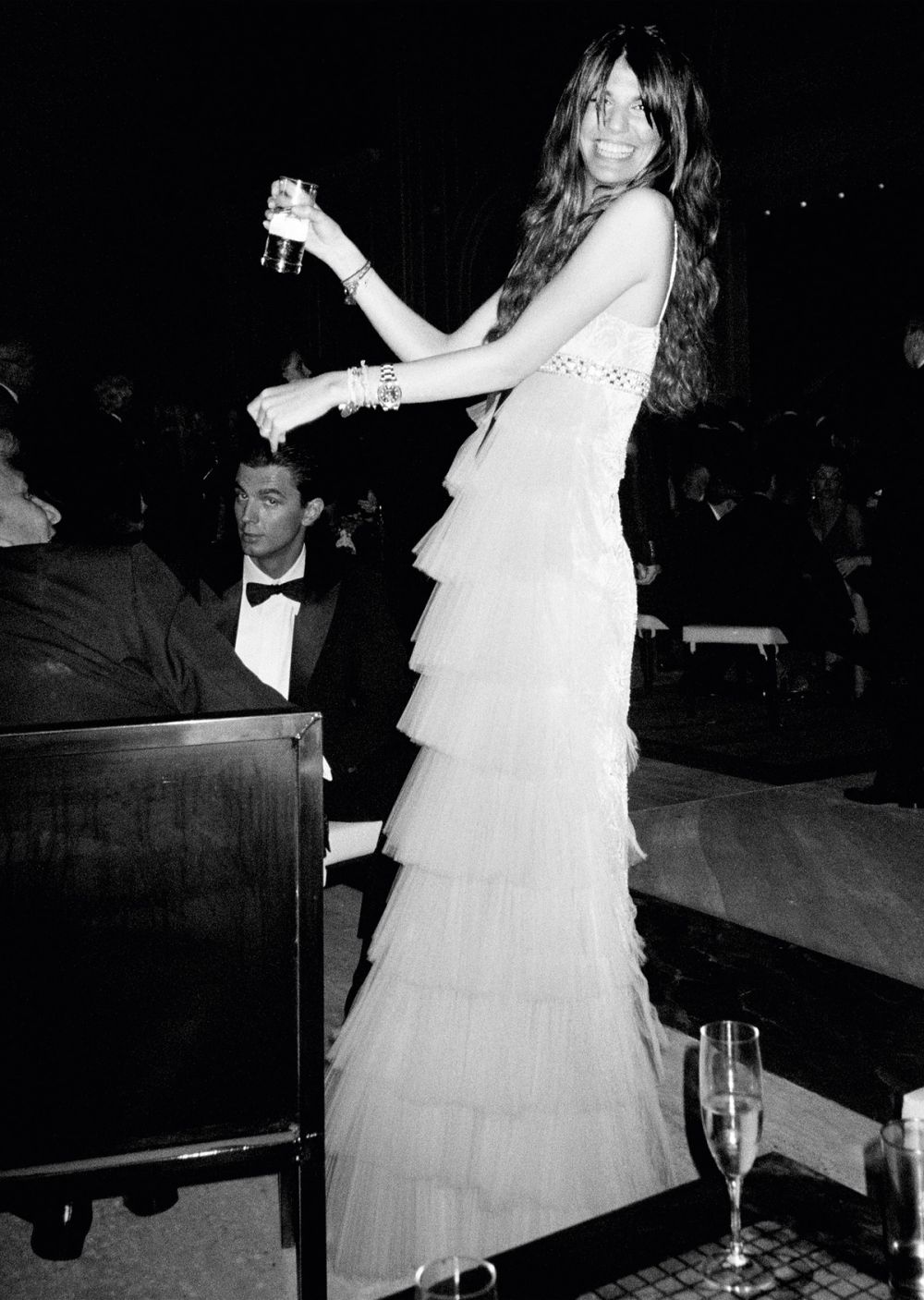
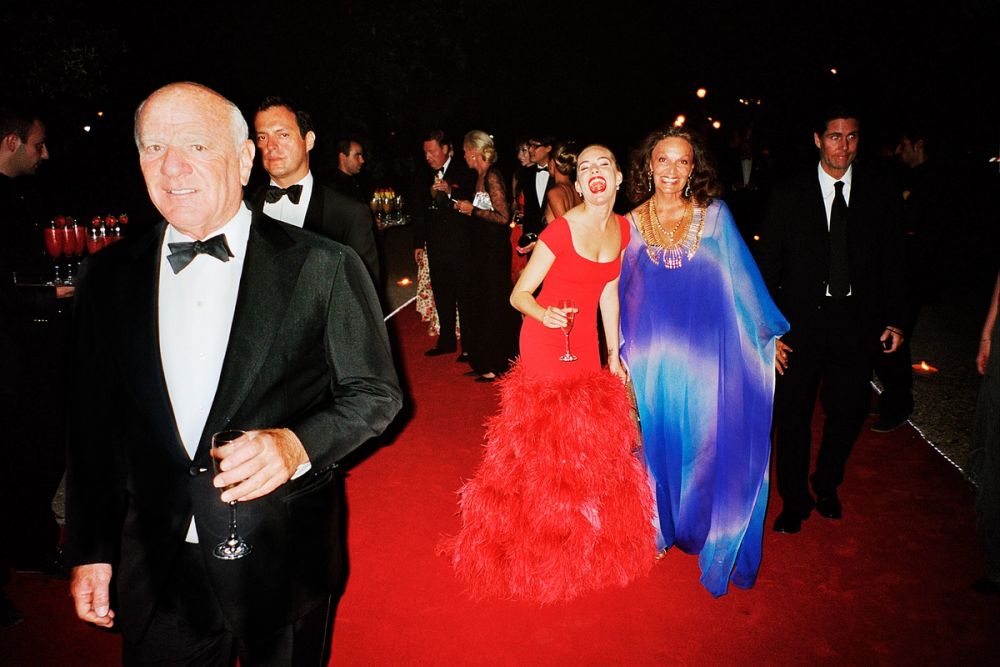
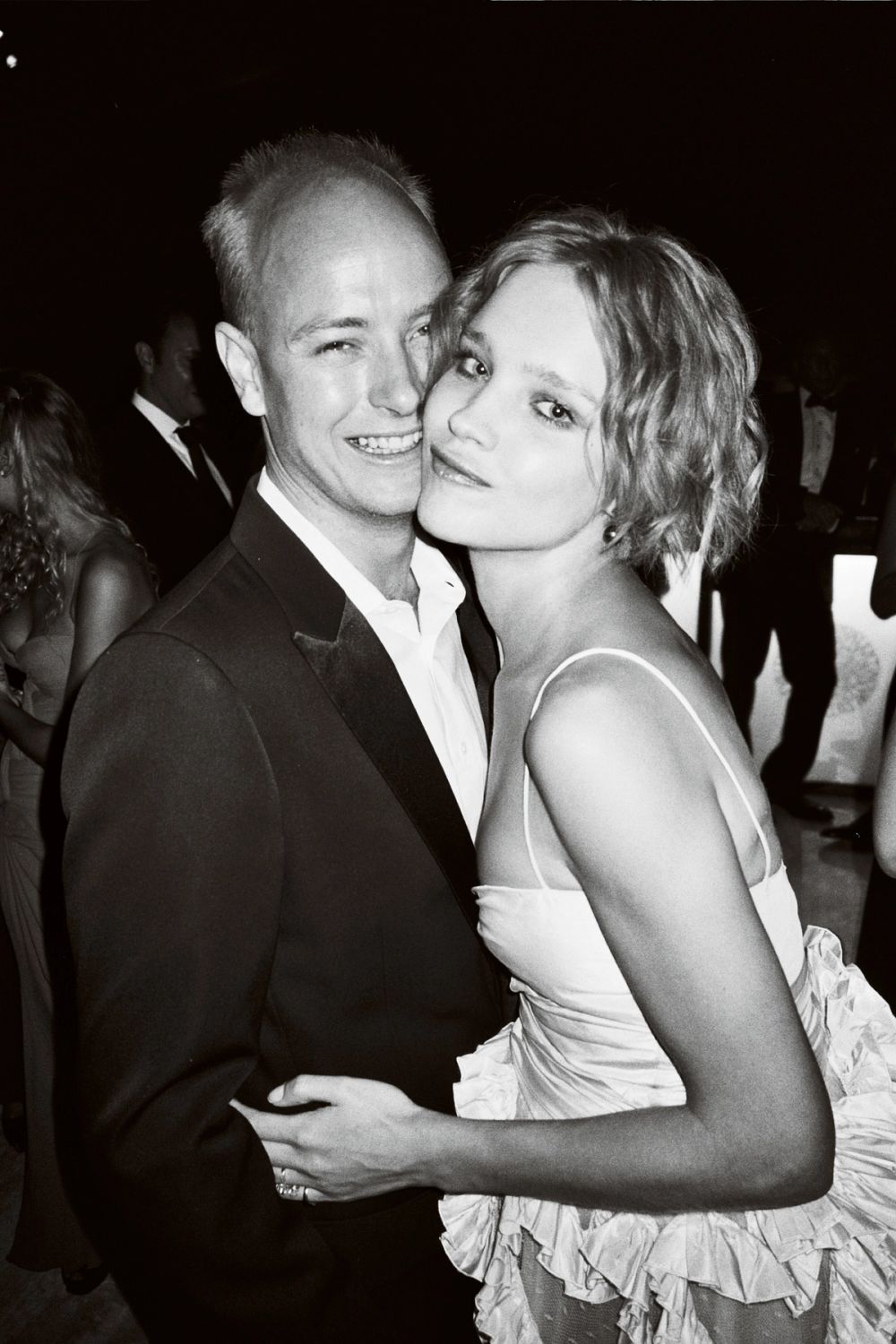
That dual awareness did not end when the cameras stopped rolling on the shoot itself. Rome offered its own crescendo when Valentino Garavani marked forty five years of his fashion house with an anniversary celebration that gathered designers, patrons and much of the international fashion world. The evening was folded directly into the Vogue cover story, with Testino photographing both the event itself and Miller’s presence within it. She attended in one of the gowns worn for the editorial, stepping momentarily out of the controlled space of the shoot and into Valentino’s carefully orchestrated theatre. The resulting images show a city at full spectacle, illuminated and ceremonial, yet what lingers is not excess but behaviour. Singer noted how Miller, surrounded by feathers, music and movement, paused at the edge of the dance floor, lingering between participation and observation. It is a fleeting moment, but one that resonates across the photographs. Testino photographed the event not as an outside observer but from within, producing images that belong to a distinct and ongoing body of work in his practice: intimate records of social worlds shaped by access, trust, and proximity. They are neither reportage nor spectacle, but records of intimacy formed through trust, attentive to those intervals when public performance softens and something more private briefly surfaces. The Valentino celebration folded seamlessly back into the editorial, reinforcing the themes suggested by 8½. Public roles, private awareness, and the quiet negotiation between them.

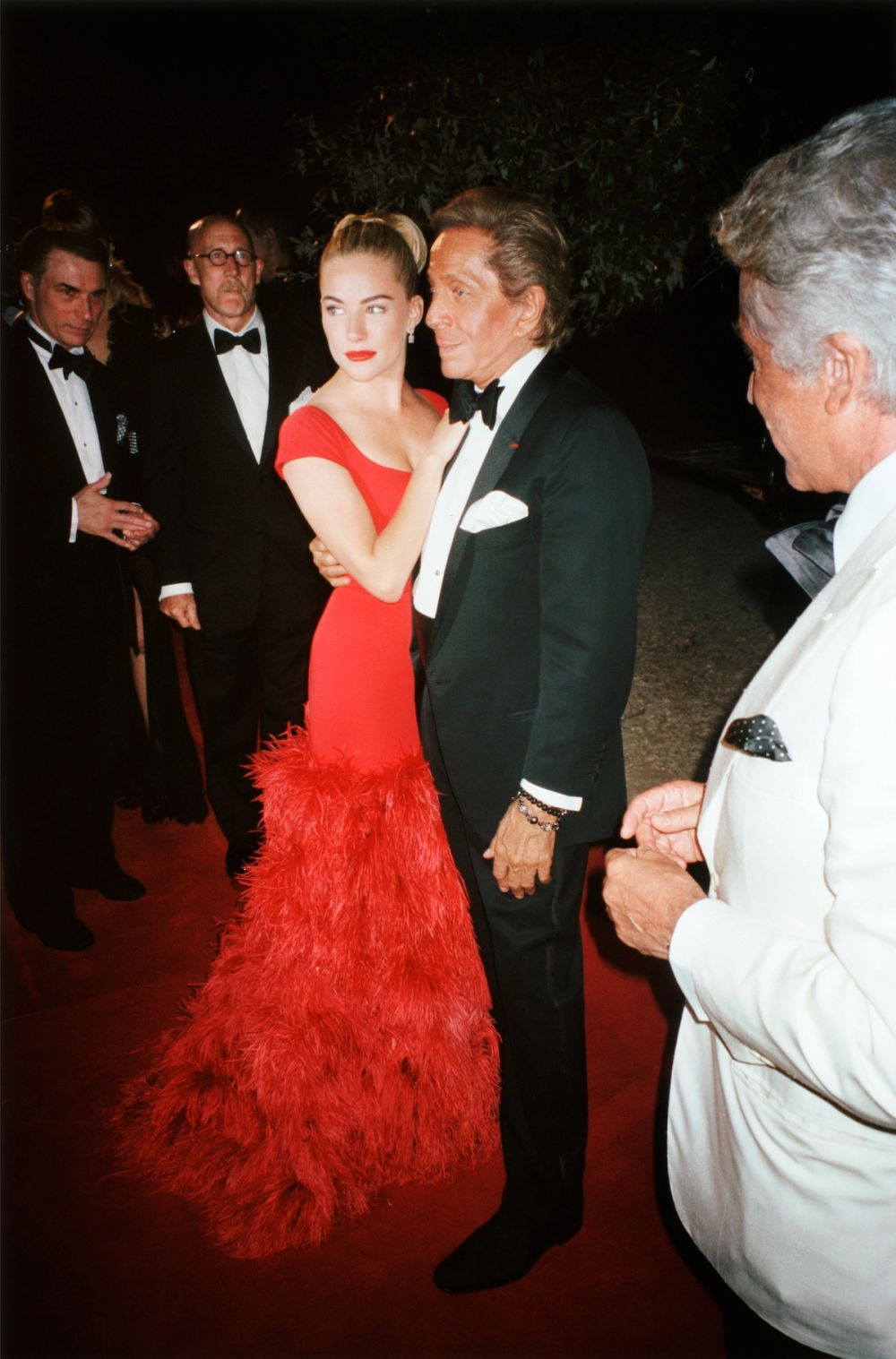
Sienna Millerand Valentino Garavani on the red carpet.








Not every photograph made during those Roman days appeared in the magazine. At one point, Testino photographed Miller alongside Roman gladiators, performers whose armour and physicality introduced a note of humour and historical play.
The image of Miller with the gladiators crackled with theatrical energy, ancient spectacle meeting contemporary celebrity. Ultimately, Vogue favoured a more restrained arc for the story, and the gladiator photograph was left out. Testino kept it. Years later, he included the image in Ciao, his photographic homage to Italy, where it sits naturally among other observations of the country’s performative surfaces. The photograph’s journey from unused frame to published work reveals Testino’s instinct for recognising when an image belongs to a different narrative, one that may only come into focus later.


Sienna Miller, Rome, American Vogue, 2007
The images from Testino’s Roman days with Miller have long since moved beyond their original editorial life, evolving into central works within his wider practice. Among the most enduring is the landscape photograph made at the Museo Hendrik Christian Andersen in Rome, where Miller stands in measured dialogue with neoclassical sculpture. Testino uses the house-turned-museum not as backdrop but as counterpart, allowing the weight of carved marble to sharpen the immediacy of her presence.
The photograph has since circulated widely through major institutional exhibitions and key publications in Testino’s bibliography, including In Your Face, Todo o Nada, HEAT, Private View and Unfiltered, and was later presented at MATE, Museo Mario Testino, in Lima, where it took on renewed significance within the artist’s own foundation. What gives the image its lasting power is not spectacle but poise. The dress responds to the same light that defines the sculpture, while Miller’s posture remains unmistakably contemporary, alert and self-possessed. The photograph functions less as fashion illustration than as a study in presence, demonstrating how a living figure can inhabit a space saturated with history without yielding to it.

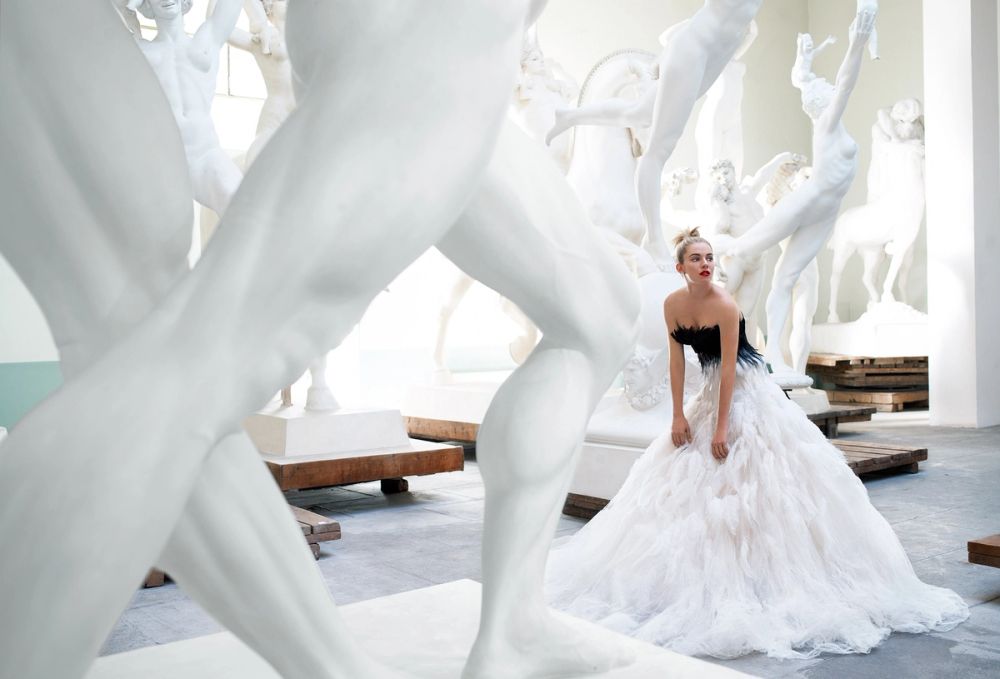
Sienna Miller, Rome, American Vogue, 2007
What gives the 2007 Rome shoot its lasting resonance is its coherence. The city, the actress, the clothes and the surrounding spectacle do not compete for attention. They converse. Miller appears neither overdetermined by fashion nor overwhelmed by place. Testino’s photographs allow room for interiority within public display. There are moments of openness and moments of retreat, and it is this oscillation that gives the work its depth.
Looking back now, the September 2007 issue of Vogue stands as both culmination and threshold. It captured a moment when print magazines still carried enormous cultural weight, even as digital culture was already beginning to reshape how images were seen and shared. Testino’s Rome sits at the centre of that shift. The photographs have outlived the season they were meant to define. They endure in exhibitions, in books, in archives and on walls, because they speak not only about what people wore but about how they inhabited a city and a time. In that sense, the Rome shoot does what the strongest fashion stories always do. It creates a world that feels complete, then leaves just enough unsaid that viewers continue to return to it, looking for the line between fantasy and truth that was there all along.
Stylist: Tonne Goodman | Hair: Didier Malige | Makeup: Stephane Marais